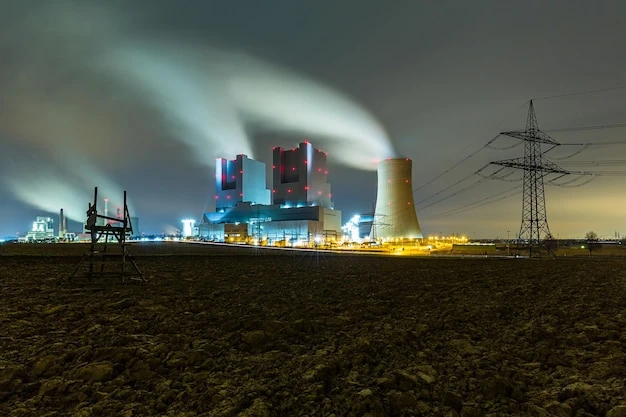

The demand for clean, reliable, and sustainable energy is at an all-time high. As the world transitions toward reducing carbon emissions, the role of nuclear power—fueled by uranium—has become increasingly significant. Across the nation, uranium exploration projects in USA are gaining momentum, driven by advancements in mining technology, supportive government policies, and the global pursuit of energy security. These projects are not only vital for ensuring a stable power supply but also for securing America’s position as a leader in sustainable energy innovation.
The Rising Importance of Uranium Exploration in the USA
The United States has a long history of uranium mining, dating back to the mid-20th century. Today, renewed interest in uranium stems from the global shift toward low-carbon energy sources. Uranium serves as the key fuel for nuclear power plants, which generate large amounts of electricity without producing greenhouse gases. This makes it an essential component of the clean energy transition.
Uranium exploration projects in USA have seen significant growth due to rising energy demands and geopolitical concerns surrounding energy imports. The Biden administration’s emphasis on clean energy and domestic resource development has further accelerated investments in uranium exploration. This resurgence aims to reduce dependency on foreign uranium supplies, strengthen national energy security, and create local jobs in rural areas where these projects are often located.
Key Regions Leading Uranium Exploration
Several states in the U.S. are recognized for their rich uranium deposits and ongoing exploration initiatives. Wyoming, Texas, Utah, and New Mexico stand at the forefront of uranium exploration projects in USA. Wyoming, in particular, is known as the uranium capital of the nation due to its vast deposits and favorable regulatory environment.
Modern exploration techniques—such as in-situ recovery (ISR)—have revolutionized how uranium is extracted. Unlike traditional mining, ISR methods minimize environmental impact by dissolving uranium underground and pumping it to the surface. This approach is safer, more efficient, and environmentally responsible, aligning perfectly with the nation’s commitment to sustainable resource management.
Economic and Environmental Impact
Uranium exploration projects in USA contribute significantly to the national economy by generating employment, infrastructure development, and regional investment. As new projects advance from exploration to production, they bring opportunities to small communities, supporting local economies through skilled labor and business growth.
Environmentally, uranium exploration has evolved tremendously. Strict U.S. regulations ensure that projects meet high environmental and safety standards. Companies are adopting eco-friendly technologies and restoration practices to protect water sources, land, and wildlife habitats. The focus is not only on extracting uranium efficiently but also on maintaining a sustainable balance between resource use and environmental preservation.
Technological Advancements Driving the Industry
Modern technology has transformed uranium exploration in remarkable ways. Advanced geophysical surveys, data analytics, and AI-driven modeling are helping geologists identify high-potential uranium deposits with greater precision. Drones and remote sensing tools are also being used to monitor sites and ensure compliance with safety standards.
Moreover, digital mapping and 3D modeling techniques provide real-time insights into geological formations, reducing exploration risks and costs. These innovations have made uranium exploration projects in USA more efficient and cost-effective, paving the way for a smarter and cleaner energy future.
The Role of Uranium in America’s Energy Independence
As energy security becomes a national priority, uranium exploration projects in USA play a central role in achieving energy independence. With global instability affecting energy supply chains, America’s ability to produce its own nuclear fuel is crucial. Domestic uranium production not only reduces reliance on imports but also strengthens the national grid’s stability.
Nuclear energy remains one of the most dependable power sources, capable of running 24/7 regardless of weather conditions. As more nuclear reactors come online and small modular reactors (SMRs) enter development, the demand for domestic uranium will continue to rise. These projects are, therefore, the backbone of America’s long-term energy resilience and sustainability.
Future Outlook for Uranium Exploration
The future of uranium exploration projects in USA looks promising. With ongoing technological innovations, policy support, and public awareness about clean energy, uranium’s role in the U.S. energy portfolio is expected to expand. Companies are actively exploring new deposits while upgrading old mining sites for modern production.
Furthermore, collaborations between private firms and federal agencies are driving research into more efficient nuclear technologies. This integrated approach ensures that the country remains at the forefront of both energy innovation and environmental stewardship.
Conclusion
Uranium exploration projects in USA represent more than just mining operations—they symbolize progress toward a cleaner, more secure, and self-reliant energy future. By harnessing advanced technology, adhering to strict environmental standards, and focusing on sustainable growth, these projects are shaping the foundation of America’s nuclear renaissance.
As the world moves away from fossil fuels, uranium will remain a key player in powering the transition to clean energy. With continued exploration and responsible development, the United States is well-positioned to lead the global shift toward a greener and more sustainable tomorrow.























Sign in to leave a comment.