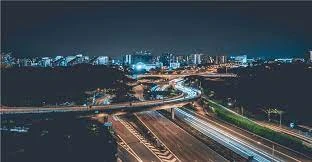

Urban renewal has become a defining aspect of India's development journey, with the nation embracing infrastructure development as a key catalyst for transforming its cities. As India's population continues to grow, the demand for modern and sustainable urban spaces has intensified. This article explores the profound impact of infrastructure development in urban renewal, highlighting how visionary projects have revitalized cities and improved the lives of millions of residents.
Integrated Transport Systems: The Backbone of Urban Connectivity
Cities are the engines of economic growth, and efficient transport systems are the lifelines that keep them thriving. India's focus on creating integrated transport systems has been instrumental in urban renewal efforts. Metro rail networks, bus rapid transit systems (BRTS), and modernizing public bus services have drastically improved urban mobility, easing congestion and reducing pollution. Seamless connectivity between residential, commercial, and industrial areas has boosted economic activity and enhanced the overall urban living experience.
Smart Cities: Embracing Technology for Sustainable Growth
The Smart Cities Mission, a flagship initiative by the Indian government, aims to create urban spaces that are technologically advanced, environmentally sustainable, and citizen-centric. Through the deployment of smart technologies, data analytics, and Internet of Things (IoT) solutions, smart cities optimize resource management, promote energy efficiency, and enhance public services. This transformational approach to urban planning is revitalizing cities, making them future-ready and resilient to emerging challenges.
Revamping Public Spaces: Parks, Plazas, and Pedestrian Zones
Urban renewal goes beyond brick and mortar; it encompasses the revitalization of public spaces that foster community engagement and a sense of belonging. By creating green spaces, parks, and pedestrian-friendly zones, cities are reclaiming their identity as vibrant and livable urban centers. These spaces not only enhance the aesthetic appeal but also promote health and well-being, encouraging citizens to spend more time outdoors and fostering a sense of community.
Heritage Conservation: Preserving the Past for the Future
India boasts a rich cultural heritage and historic landmarks that are integral to its identity. Urban renewal projects pay special attention to conserving and restoring these heritage structures, striking a harmonious balance between the old and the new. Preserving heritage sites not only adds to the city's allure but also boosts tourism, contributing to economic growth and cultural exchange.
Water Management: Mitigating Urban Floods and Water Scarcity
Urbanization often brings challenges such as water scarcity and flooding. Urban renewal projects address these issues through sustainable water management solutions. Rainwater harvesting, groundwater recharge, and efficient stormwater drainage systems play a crucial role in mitigating floods and ensuring water availability. By adopting eco-friendly approaches to water management, cities are becoming more resilient to climate change impacts.
Green Building Initiatives: Sustainability in Construction
Sustainable construction practices have become a key component of urban renewal. Green buildings, equipped with energy-efficient features and eco-friendly materials, minimize their carbon footprint and reduce resource consumption. These environmentally responsible structures not only contribute to a cleaner environment but also lead the way in setting higher standards for construction in the future.
Waste Management: Towards a Zero-Waste Future
Cities generate substantial amounts of waste, and managing it efficiently is critical for sustainable urban development. Urban renewal initiatives focus on waste segregation, recycling, and waste-to-energy conversion, aiming to achieve a zero-waste future. By embracing circular economy principles, cities are not only minimizing landfill burden but also deriving economic value from waste resources.
Mixed-Use Development: Creating Urban Vibrancy
Mixed-use development is an integral aspect of urban renewal, promoting a dynamic urban lifestyle. By blending residential, commercial, and recreational spaces, cities create vibrant neighborhoods where people can live, work, and play within walking distance. This mixed-use approach fosters community interaction, stimulates economic activity, and reduces dependency on automobiles, leading to a more sustainable and balanced urban environment.
Inclusive Urban Planning: Ensuring Social Equity
Urban renewal endeavors prioritize inclusive urban planning to address the needs of all citizens, including marginalized communities. Accessible infrastructure, affordable housing, and inclusive public services are pivotal in ensuring social equity. By creating cities that cater to diverse needs and aspirations, urban renewal projects promote social cohesion and enhance the overall quality of life for all residents.
Conclusion
Urban renewal, driven by visionary infrastructure development, is revolutionizing the face of India's cities. From integrated transport systems to smart cities, from heritage conservation to sustainable water management, each project embodies India's commitment to creating livable, resilient, and future-ready urban spaces.
As India continues its journey towards progress, urban renewal will remain at the forefront of its development agenda, paving the way for cities that are not only prosperous but also inclusive, sustainable, and responsive to the changing needs of their residents.





Sign in to leave a comment.