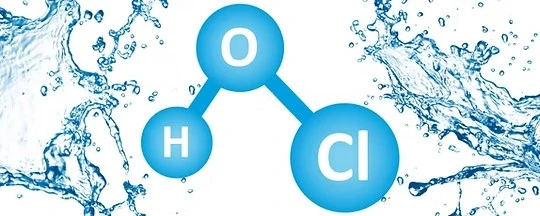
Curious if hypochlorous acid can effectively disinfect your air?
Discover how this powerful solution works, its various application methods, and whether it's a reliable choice for air purification.
Introduction to Hypochlorous Acid (HOCl) and Air Disinfection
If you're looking to understand how hypochlorous acid (HOCl) can be used for air disinfection, you've come to the right place. HOCl is a powerful and versatile disinfectant that's effective against a wide range of pathogens, including bacteria, viruses, and fungi. When used for air disinfection, HOCl works by breaking down the cell walls of these microorganisms, ultimately neutralizing them and making the air safer to breathe.
Its ability to eliminate harmful pathogens in the air makes it a valuable tool for maintaining clean and hygienic indoor environments. By incorporating HOCl into your air disinfection practices, you can help reduce the risk of airborne illnesses and create a healthier space for yourself and those around you.
How HOCl Works for Air Disinfection
Surely, you already know how HOCl works for air disinfection, but let's delve deeper into its mechanisms. When introduced into the air, hypochlorous acid in UK acts as a potent oxidizing agent. It works by breaking down the outer membranes of harmful microorganisms like bacteria, viruses, and fungi.
The positively charged hydrogen in HOCl attracts the negatively charged components of these pathogens, disrupting their structure and rendering them harmless. This process effectively neutralizes the microorganisms present in the air, reducing the risk of airborne infections.
Unlike many chemical disinfectants, HOCl is gentle on the respiratory system and doesn't leave harmful residues. Its ability to target a wide range of pathogens makes it a versatile and efficient solution for air disinfection in various settings.
Methods of Using HOCl for Air Disinfection
When using HOCl for air disinfection, you can employ various methods to ensure effective and thorough treatment of the air in your space.
One method is using a HOCl generator that disperses the acid into the air, reaching all corners of the room. This method is efficient for continuous disinfection.
Another approach is to use HOCl in fogging machines that create a mist of the acid, which can reach even the smallest crevices. Additionally, you can utilize HVAC systems to distribute HOCl throughout larger spaces effectively.
Regardless of the method chosen, it's crucial to follow safety guidelines and ensure proper ventilation during the disinfection process to maximize the effectiveness of HOCl in purifying the air.
Effectiveness, Safety, and Considerations
You can evaluate the effectiveness, safety, and key considerations of using hypochlorous acid for air disinfection in your environment. Hypochlorous acid has shown effectiveness in eliminating various pathogens in the air, making it a promising disinfection method. When used correctly, it can help reduce the risk of airborne diseases.
However, safety precautions must be taken, as inhaling concentrated hypochlorous acid can irritate the respiratory system. It's important to follow guidelines for proper dilution and ventilation when using it in air disinfection.
Considerations such as the stability of the solution, its compatibility with materials in your environment, and the need for regular monitoring of air quality should also be taken into account before implementing hypochlorous acid for air disinfection.
Is HOCl a Reliable Solution for Air Disinfection?
If you're considering hypochlorous acid as a reliable solution for air disinfection, it's essential to understand its efficacy and limitations. HOCl has shown effectiveness in killing bacteria, viruses, and molds in the air. It works by disrupting the cell walls of pathogens, thus neutralizing them. However, its efficacy can be influenced by factors like concentration, contact time, and environmental conditions.
While HOCl is generally safe for humans and the environment, it can cause irritation in high concentrations. Additionally, its stability and effectiveness can decrease over time, requiring proper storage and handling. To ensure reliable air disinfection with HOCl, it's crucial to follow recommended guidelines, monitor its concentration, and consider it as part of a comprehensive disinfection strategy.
Conclusion
In conclusion, using hypochlorous acid for air disinfection shows promising results in effectively killing pathogens and reducing airborne contaminants.
While more research is needed to fully understand its long-term effectiveness and safety, HOCl offers a reliable solution for maintaining clean and healthy indoor air environments.
Consider incorporating HOCl into your air disinfection routine for added protection against harmful germs and pollutants.
























Sign in to leave a comment.