

In today’s fast-paced digital ecosystem, location data is no longer just a “nice-to-have” feature—it’s a necessity. Businesses across industries rely on accurate geolocation to personalize user experiences, enhance security, and optimize digital strategies. For developers and technology teams, the ability to integrate precise location data into applications unlocks opportunities that can shape everything from e-commerce personalization to fraud prevention.
One of the most effective ways to achieve this is through a geolocation API, which provides real-time insights into where users are connecting from. Whether you’re building an app, running a global website, or managing enterprise-level platforms, leveraging IP data is a game-changer.
Why Geolocation Matters for Developers
Location has always been tied to identity and context. In the digital world, geolocation allows developers to deliver smarter solutions by understanding where a user is coming from. Consider these real-world applications:
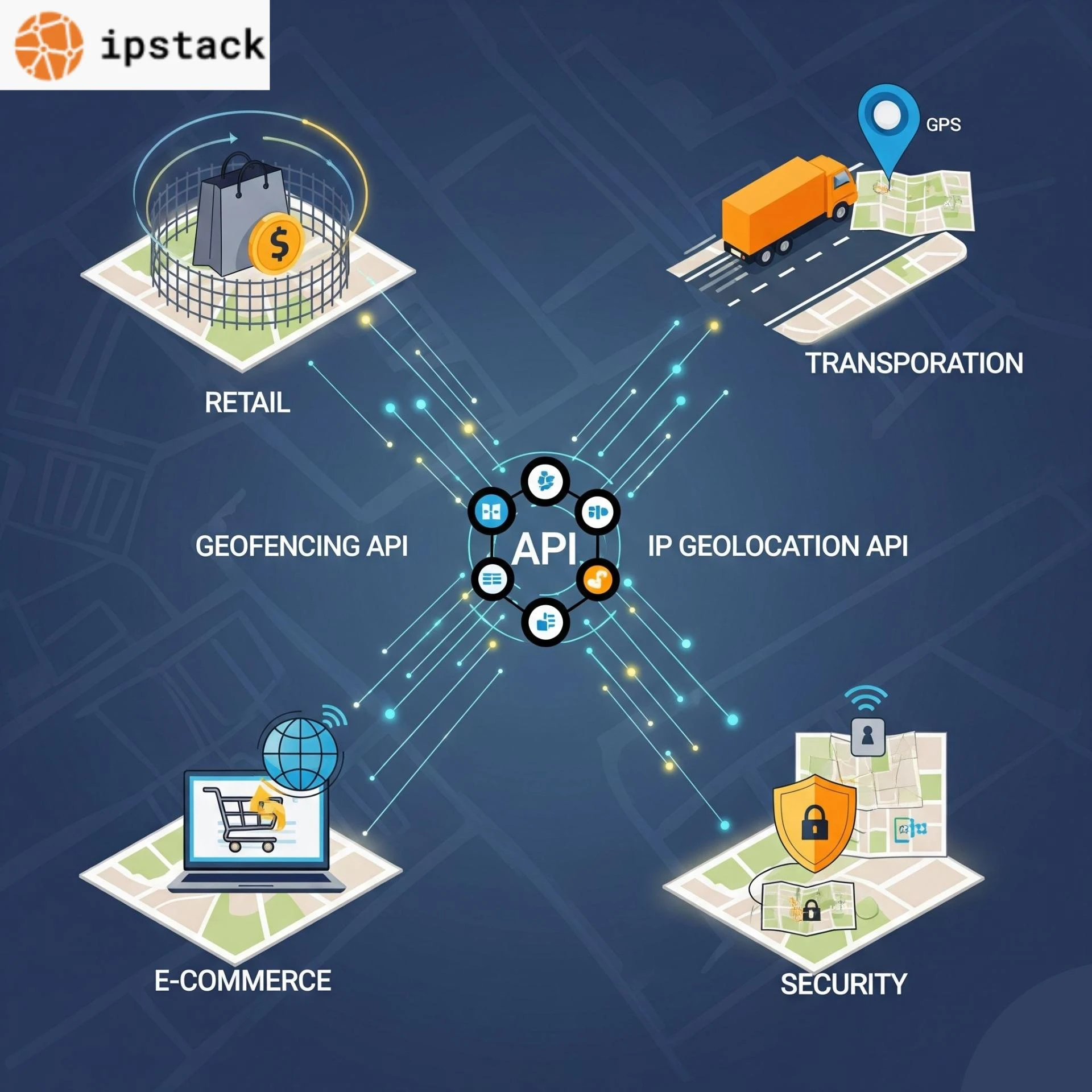
- Personalized Experiences: Streaming services suggest content based on region. E-commerce platforms adjust currency, shipping options, and payment gateways depending on user location.
- Fraud Detection: Online banking apps can flag suspicious logins when the location doesn’t match the customer’s usual pattern.
- Marketing Insights: Businesses analyze regional traffic to understand customer behavior and target campaigns effectively.
- Compliance: Certain industries must restrict access based on location, such as GDPR compliance or content licensing.
This is where developers turn to tools like an IP API that provide instant access to geolocation data without reinventing the wheel.
How IP Data is Collected and Used
When a user connects to the internet, their device is assigned an IP address. This address contains valuable information that can be translated into location insights. While it doesn’t pinpoint exact street-level detail, it can provide:
- Country
- City
- Region or state
- ISP and carrier information
- Connection type (mobile, broadband, etc.)
By integrating a geolocation API, developers can programmatically fetch this information in real time. The data is then applied to enhance app features, protect user sessions, or adjust content delivery networks (CDNs).
Benefits of Using a Geolocation API in Applications
For developers, choosing a reliable geolocation API is about more than just mapping IP addresses. It’s about scalability, accuracy, and ease of integration. Some of the benefits include:
- Speed and Efficiency
- APIs return results in milliseconds, allowing applications to make instant decisions about users.
- Accuracy
- High-quality APIs are updated frequently, ensuring location data is as accurate as possible.
- Global Coverage
- A good solution covers millions of IP addresses worldwide, providing consistent results across regions.
- Customizable Outputs
- Developers can request specific data fields depending on the use case—whether that’s city-level details, carrier data, or security insights.
- Security Enhancements
- By analyzing IP data, apps can identify proxy users, VPN traffic, or risky connections, reducing fraud attempts.
Use Cases Across Industries
1. E-Commerce Personalization
Retailers can detect user locations to automatically adjust prices, shipping estimates, and payment methods. This seamless experience reduces cart abandonment and builds trust with customers.
2. Cybersecurity
Banks, financial services, and SaaS platforms use IP insights to monitor login attempts. A sudden login from a distant location can trigger multi-factor authentication.
3. Content Distribution
Streaming platforms like music or video services rely on location-based rules to deliver region-specific content.
4. Travel and Hospitality
Booking sites use IP data to show localized offers, nearby deals, or region-based packages.
5. Analytics and Market Research
Marketers analyze geolocation trends to evaluate demand in different regions, shaping ad strategies and expansion plans.
Best Practices for Developers Using IP APIs
- Prioritize Security: Ensure the API provider encrypts data and offers HTTPS for all requests.
- Check for Scalability: Choose a solution that grows with your traffic and user base.
- Test Accuracy Regularly: Run benchmarks to confirm the API’s location accuracy.
- Optimize Requests: Only call the data you need to reduce latency and improve application performance.
- Combine with Other Data Sources: For richer insights, pair IP-based location data with behavioral or demographic data.
How Developers Can Get Started
Integrating an IP API is straightforward. Most providers offer RESTful endpoints that return data in JSON or XML format, making it easy to use across various programming languages.
For example:
GET https://api.ipstack.com/134.201.250.155?access_key=YOUR_ACCESS_KEY
The response provides detailed geolocation data that can be directly integrated into your app or dashboard. With just a few lines of code, developers can start leveraging location insights.
Future of Geolocation Data
As digital platforms evolve, the role of geolocation will expand. With the rise of edge computing, IoT devices, and 5G connectivity, accurate IP data will be critical for:
- Real-time fraud detection
- Contextual marketing campaigns
- Smart city applications
- Cross-border digital regulations
For developers, staying ahead of these trends means adopting reliable, developer-friendly tools now.
FAQs on Geolocation and IP APIs
Q1. What is the difference between an IP API and a geolocation API?
An IP API focuses on retrieving information tied to an IP address, such as location, ISP, and connection details. A geolocation API often includes broader location services, sometimes combining GPS, Wi-Fi, and IP-based data for greater accuracy.
Q2. Is IP-based geolocation always accurate?
While it’s highly reliable at the country and city level, it may not pinpoint exact street addresses. Accuracy depends on the database updates and the user’s connection type.
Q3. How secure is it to use a geolocation API?
Reputable providers encrypt data and ensure secure communication via HTTPS. Developers should always verify security standards before integration.
Q4. Can IP geolocation detect VPNs or proxies?
Yes, many providers include security modules that identify anonymized traffic, VPN usage, and suspicious connections.
Conclusion
For developers, geolocation is no longer just a background feature it’s a foundation for smarter, more secure, and more personalized applications. By integrating an IP API or a geolocation API, businesses can enhance user trust, improve engagement, and stay competitive in an increasingly location-driven digital landscape.
As the demand for tailored user experiences grows, developers who master location-based data will be at the forefront of innovation.

























Sign in to leave a comment.