
Choosing the right flight api can make or break your application. Whether you're building a booking platform, a flight tracking tool, or a travel analytics dashboard, having access to accurate and real-time aviation data is essential. Developers and startups often face the challenge of balancing cost, scalability, and data quality when selecting an API. Therefore, understanding what features matter most and how to evaluate different options is crucial before making a decision.
Understanding the Role of Flight APIs
A flight API acts as a bridge between your application and aviation data sources. It allows developers to retrieve information such as flight schedules, airline routes, ticket availability, and pricing. For startups especially, APIs eliminate the need to build complex data systems from scratch, saving both time and resources. Moreover, APIs can integrate seamlessly into mobile apps, websites, and enterprise systems, enabling smooth user experiences.
Key Features to Look for in a Flight API
When selecting a flight API, it’s important to evaluate its core features. First, data accuracy and real-time updates are critical. Users expect up-to-date flight information, and any delay can lead to frustration. Second, scalability matters because your application may grow quickly. A good API should handle increased traffic without compromising performance. Third, ease of integration is essential. APIs with clear documentation and developer-friendly tools allow faster implementation. Additionally, global coverage ensures that your platform can serve users across different regions.
Why Startups Need Flexible Pricing Models
Startups often operate on limited budgets, so pricing plays a major role in API selection. Many APIs offer tiered pricing plans, allowing developers to start small and scale as their needs grow. This flexibility helps startups manage costs effectively while still accessing valuable data. Furthermore, some APIs provide free tiers or trial periods, which are ideal for testing before committing to a paid plan.
Comparing Flight APIs for Different Use Cases
Not all APIs are designed for the same purpose. For instance, some APIs focus on real-time flight tracking, while others specialize in ticket booking or historical data analysis. If your goal is to build a booking platform, an air ticket API or airline ticket API would be more suitable. On the other hand, if you’re developing a flight monitoring tool, a real-time tracking API is a better choice. Understanding your specific use case helps narrow down the options and ensures better performance.
Importance of Data Coverage and Reliability
Data coverage is another critical factor. A reliable API should provide information for multiple airlines, airports, and routes worldwide. This is especially important for applications targeting international users. Additionally, uptime and reliability are key metrics to consider. Frequent downtime can disrupt your application and negatively impact user experience. Therefore, always check the API’s performance history and service level agreements before making a decision.
Enhancing User Experience with Accurate Data
User experience is directly tied to the quality of data your application provides. Accurate flight schedules, delays, and gate information help users make informed decisions. For example, a travel app that notifies users about flight delays in real time can significantly improve customer satisfaction. Similarly, integrating airline api data into your platform allows users to explore multiple travel options easily, making your app more engaging and useful.
Tips for Choosing the Right Flight API
Before selecting an API, start by defining your project requirements clearly. Consider the type of data you need, the expected user base, and your budget. Next, evaluate the API’s documentation and support system. Good documentation reduces development time and minimizes errors. Additionally, test the API using trial versions to understand its performance and limitations. Finally, prioritize APIs that offer strong security measures to protect user data.
Leveraging Aviation Data for Innovation
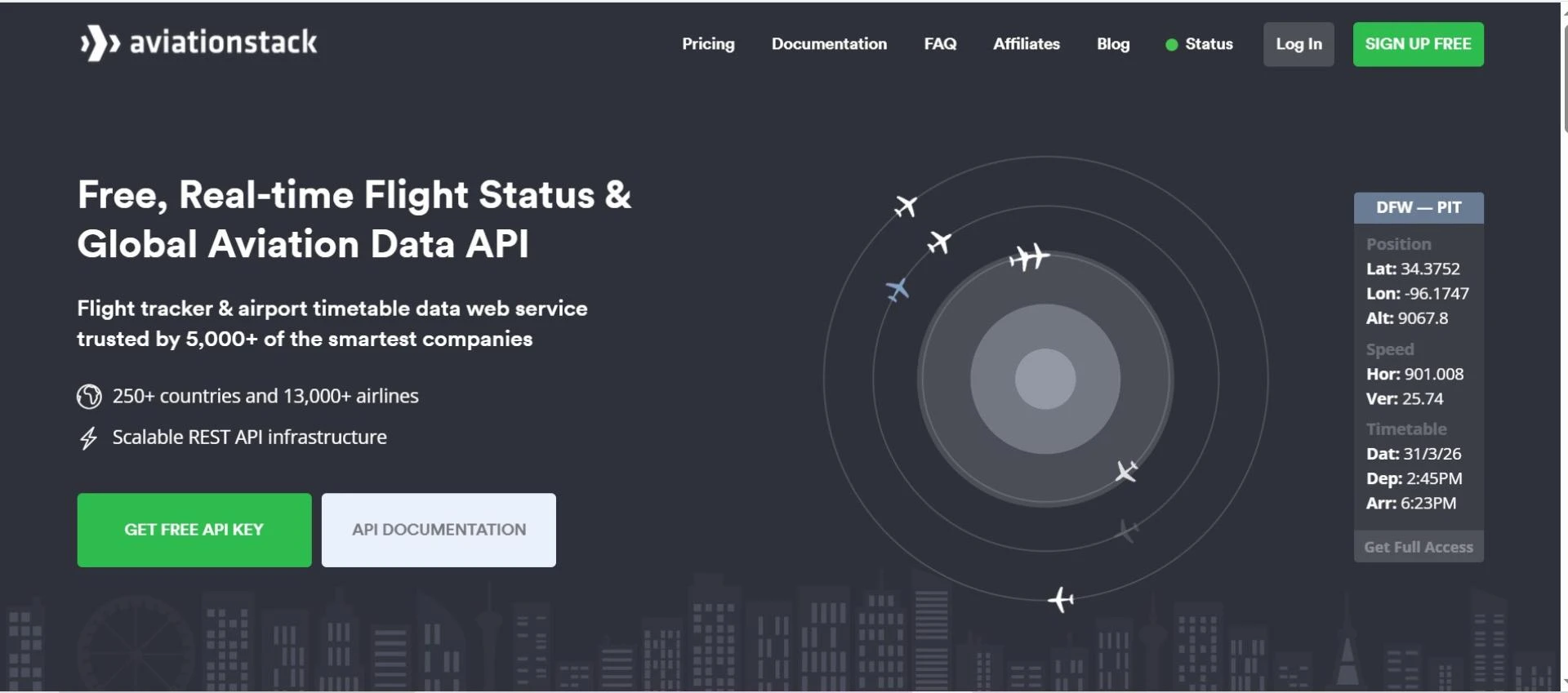
Aviation data opens up numerous opportunities for innovation. Developers can create applications that provide predictive insights, such as estimating delays based on historical trends. Startups can also build personalized travel experiences by combining flight data with user preferences. For example, an app could suggest the best flights based on price, duration, and user ratings. By leveraging advanced APIs like aviationstack, developers can access reliable aviation data and build powerful solutions without complex infrastructure.
Challenges Developers May Face
Despite the benefits, working with APIs comes with challenges. Data inconsistencies, rate limits, and integration issues are common obstacles. However, these challenges can be managed by choosing a well-documented API and implementing proper error-handling mechanisms. Additionally, developers should monitor API usage regularly to avoid exceeding limits and incurring unexpected costs.
Conclusion
Choosing the best flight API requires careful evaluation of features, pricing, scalability, and data reliability. By understanding your project needs and testing different options, you can find an API that aligns with your goals. Ultimately, the right API will empower your application with accurate and real-time aviation data, helping you deliver a seamless user experience. As your platform grows, integrating complementary tools like an airport api can further enhance functionality by providing detailed airport-related insights and improving overall performance.
FAQs
What is a flight API used for?
A flight API is used to access aviation data such as flight schedules, routes, ticket availability, and real-time updates, enabling developers to build travel-related applications.
How do I choose the best API for my startup?
Start by identifying your requirements, budget, and target audience. Then compare APIs based on features, pricing, scalability, and ease of integration.
Are free flight APIs reliable?
Free APIs can be useful for testing and small projects, but they may have limitations in data accuracy, request limits, and support. Paid plans usually offer better reliability.
Can I use multiple APIs in one application?
Yes, many developers combine multiple APIs to enhance functionality, such as using one for flight data and another for analytics or airport information.
What is the difference between airline API and air ticket API?
An airline api typically provides operational data like schedules and routes, while an air ticket API focuses on booking, pricing, and ticket availability.

























Sign in to leave a comment.