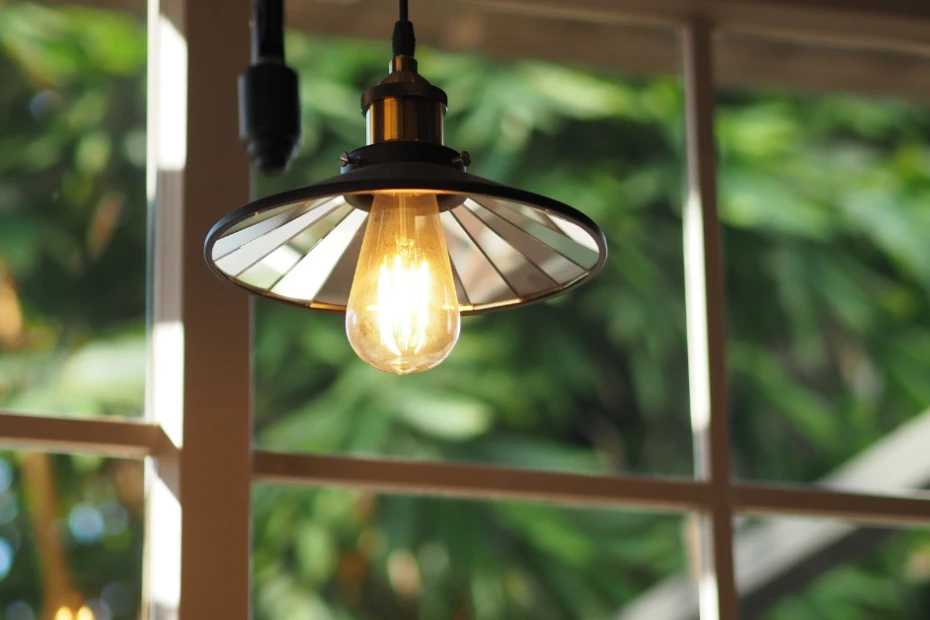

Portable lighting plays a quiet role in how spaces feel and function. Fixed ceiling lights give general brightness, though smaller light sources add control and comfort. Portable options allow light to sit exactly where it is needed. This suits homes, workspaces, and shared areas where flexibility matters.
Portable lighting works without installation changes. Lamps move easily from one place to another. This helps people adjust light for reading, working, or resting without rewiring or drilling.
Lighting That Works at Table Height
Table lamps suit many parts of a home. Living rooms use them for soft evening light. Bedrooms use them for reading. Entry tables use them for gentle brightness after dark.
These lamps sit low and reduce harsh glare. Light spreads outward rather than downward. This helps create calm spaces where strong overhead light feels unnecessary.
Table lamps vary in size. Smaller units suit side tables. Larger bases suit console tables or desks where more light is needed.
Floor-Level Lighting for Wider Coverage
Floor lamps provide light without using surface space. They stand independently and suit corners, seating areas, or open rooms.
A floor lamp works well next to sofas or chairs. It supports reading without filling the room with bright light. This helps reduce eye strain during evening hours.
Some designs use upward-facing shades. These spread light across walls and ceilings. Others focus light downward for tasks.
Lighting for Bedside Use
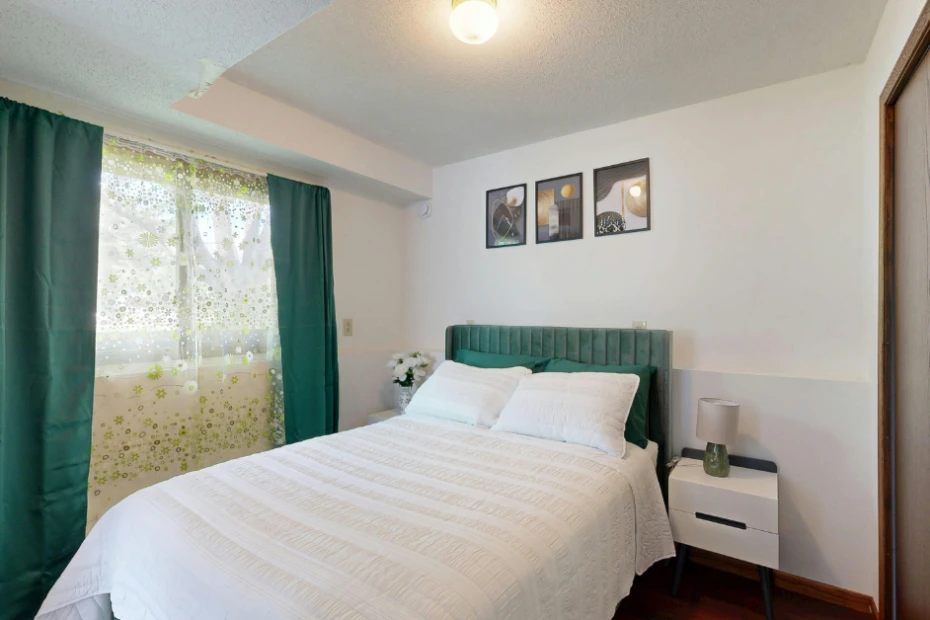
A bedside lamp supports nighttime routines. It allows reading without lighting the entire room. It helps people move safely after dark.
Bedside lighting needs easy access. Switch placement matters. Lamps should turn on without stretching or standing.
Soft brightness works best in bedrooms. Harsh light disrupts rest. A warm tone supports calm use during evening hours.
Focused Light for Work and Study
Desk lamps suit workspaces and study areas. These lamps focus light directly onto a surface. This improves clarity during reading, writing, or screen use.
Desk lighting helps reduce shadows. It supports long work sessions without eye discomfort. Adjustable arms improve control and positioning.
Work areas benefit from steady light. Flicker-free output supports focus and reduces fatigue.
Tall Lighting for Open Spaces
A standing lamp fits well in open-plan rooms. Its height allows light to reach further without harsh brightness.
Standing lamps often support shared areas such as lounges or waiting rooms. They fill visual gaps created by high ceilings.
Placement matters. Positioning near seating improves comfort. Poor placement creates uneven brightness.
Hidden Light for Subtle Support
Strip lights offer low-profile lighting. These lights fit under shelves, along counters, or behind furniture. They provide guidance rather than strong brightness.
Strip lighting supports safe movement at night. Kitchens use it under cabinets. Bedrooms use it along headboards or wardrobes.
These lights stay out of sight and reduce clutter. They add light without changing the room layout.
Mixing Portable Lighting Types
Good lighting plans use more than one type. Overhead lights handle general brightness. Portable lamps handle specific needs.
A living room may use a table lamp near seating, a floor lamp in a corner, and strip lighting behind shelves. This spreads light evenly and avoids harsh spots.
Mixing light heights creates balance. It prevents glare and supports comfort throughout the day.
Choosing the Right Size and Output
Lamp size should match the space. Large lamps overwhelm small rooms. Small lamps struggle in wide spaces.
Light output matters. Reading areas need stronger light. Rest areas need softer tones.
Shade material affects brightness. Fabric shades soften light. Open shades direct light more strongly.
Practical Placement Tips
Place lamps where people sit or work. Avoid placing lamps where they block movement.
Cords should stay out of walkways. Secure placement reduces trip risks.
Testing placement before final setup helps avoid changes later.
Maintenance and Daily Care
Portable lighting needs simple care. Dust reduces light output. Regular cleaning keeps brightness steady.
Bulb replacement should stay easy. Lamps with standard fittings simplify maintenance.
Check cords and plugs for wear. This supports safe use over time.
Supporting Everyday Comfort
Portable lighting supports daily routines without drawing attention. It fills gaps left by ceiling lights. It adapts to changing needs.
Homes feel calmer when light matches activity. Work areas feel clearer with focused lighting. Rest areas feel softer with low-level light.
Choosing the right lamp type improves comfort and safety in simple ways.
































Sign in to leave a comment.