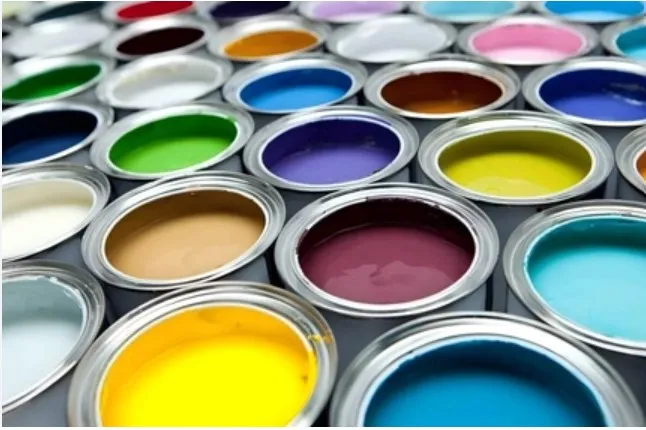

UV-curable technology has reshaped wood finishing across furniture, flooring, and cabinetry manufacturing, offering production and performance advantages that conventional solvent or waterborne systems often can’t match. This guide covers the fundamentals of why and how these coatings work.
Why UV-Curable Technology Transformed Wood Finishing
Dramatically Faster Cure Times
Where conventional wood coatings require extended drying or curing time, UV-curable systems cure in seconds upon light exposure, significantly compressing production timelines and reducing work-in-progress inventory.
Strong Final Film Properties
UV-cured films typically deliver excellent hardness, chemical resistance, and durability, properties valued in furniture and flooring applications facing daily wear and occasional chemical exposure.
Basic Formulation Components
Photoinitiators and Cure Mechanism
UV-curable systems rely on photoinitiators that trigger polymerization upon exposure to specific UV wavelengths, converting the liquid coating into a solid film almost instantly.
Oligomer and Monomer Selection
The base resin system, typically a combination of oligomers and reactive diluent monomers, determines much of the cured film’s fundamental hardness, flexibility, and chemical resistance properties.
Rheology Modification for Application
As covered in related formulation discussions, achieving appropriate flow and sag resistance before the instant cure requires careful rheology additive selection, since there’s minimal time for natural leveling to occur.
Application Methods Common in Wood Finishing
Roller coating, curtain coating, and spray application are all used across wood finishing production lines, each placing somewhat different demands on the coating’s pre-cure rheological behavior.
For a closer technical look at UV-curable wood coating formulation fundamentals, UV-curable wood coatings covers formulation components and application considerations in more depth.
Frequently Asked Questions
Why do UV-curable wood coatings cure so much faster than conventional coatings? The photoinitiator-triggered polymerization mechanism converts the liquid film to solid almost instantly upon UV exposure, unlike conventional coatings that rely on slower solvent evaporation or oxidative curing.
Are UV-curable wood coatings more durable than conventional wood finishes? Generally yes, in terms of hardness and chemical resistance, UV-cured films often outperform conventional wood coatings, which is a major reason for their adoption in furniture and flooring applications.
Does UV cure work on all wood coating application methods? It’s compatible with various methods including roller, curtain, and spray application, though each method interacts somewhat differently with the coating’s rheological properties before cure.
Final Thoughts
UV-curable wood coatings deliver genuine production speed and performance advantages, but realizing these benefits depends on properly formulated rheology alongside the core photoinitiator and resin system. Understanding these fundamentals supports better formulation and process decisions.






















Sign in to leave a comment.