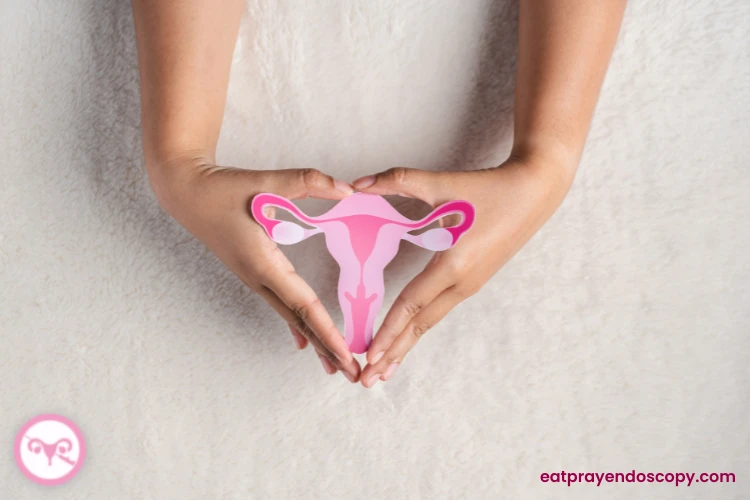

After cesarean deliveries, a hysterectomy is one of the most frequent gynecological surgical procedures, and the technique might be abdominal, vaginal, laparoscopic, or a combination.
The uterus is surgically removed via the vagina during a vaginal hysterectomy. It is by far the safest, least invasive, and least expensive method of removing a uterus for non-cancerous reasons.
When compared to abdominal hysterectomy, vaginal hysterectomy has fewer problems, a shorter hospital stay, and a speedier recovery period.
Menorrhagia or irregular uterine bleeding, Pelvic organ prolapse, Endometrial Hyperplasia, Adenomyosis, Uterine fibroids, Chronic pelvic discomfort, or Cervical abnormalities are some of the medical disorders that need a Vaginal Hysterectomy.
Certain factors, such as patient anatomy, good uterine activity, informed patient preference, surgeon's expertise, the volume of uterus equivalent to less than 12 weeks gestation, no history of pelvic surgery, normal adnexa, wide maternal pelvis, and no other anesthetic or surgical contraindications, often guide the route of hysterectomy.
Getting pregnant after a hysterectomy is impossible, thus other therapies should be considered if fertility is to be preserved.
A small internal incision is made at the apex of the vagina during a Vaginal Hysterectomy. The uterus is then separated from the connective tissue and its blood supply by the surgeon before being removed via the vaginal canal.
During the surgery, one or both ovaries, the Fallopian tubes, or the cervix may be removed. After the treatment, absorbable sutures are utilized to limit any bleeding within the pelvis. If the uterus is not significantly enlarged, a vaginal approach is usually performed.
Patients receiving a Vaginal Hysterectomy are given general or spinal anesthetic as well as sedation to ensure that they experience no discomfort throughout the treatment, which may last up to 2 hours.
Some surgeons may also employ a laparoscope, which is placed via a small incision in the abdomen and pelvis, to assist uterine evacuation through the vagina. The hospital stay might range from leaving home the same day to staying in the hospital for one or two days, depending on the patient's age, medical problems, and other procedures.
Heavy bleeding, blood clots in the legs or lungs, infection, injury to neighboring organs, or a severe response to anesthesia are all hazards associated with vaginal hysterectomy. If the endometriosis or scar tissue is extensive, the surgeon may be forced to move from vaginal to laparoscopic or abdominal hysterectomy during the procedure.
In terms of life following a vaginal hysterectomy, the majority of women have experienced an improvement in uterine symptoms such as discomfort and vaginal bleeding. With a reduced complication rate, the vaginal method has been reported to be more cosmetically pleasing than laparoscopic and robot-assisted hysterectomy or open abdominal surgery.
The minimally invasive Vaginal Hysterectomy is ideal for patients with advanced age and small uterine sizes, as it results in shorter operation time, less intraoperative blood loss, and better postoperative outcomes.
Don't let a hysterectomy hold you back. Learn more about vaginal hysterectomy and see if it's the right option for you. Schedule a consultation with Dr. Neha Lalla one of the top Gynaecologist in Dubai today.
Also read: Urinary Incontinence in Women
Thanks for reading!




















Sign in to leave a comment.