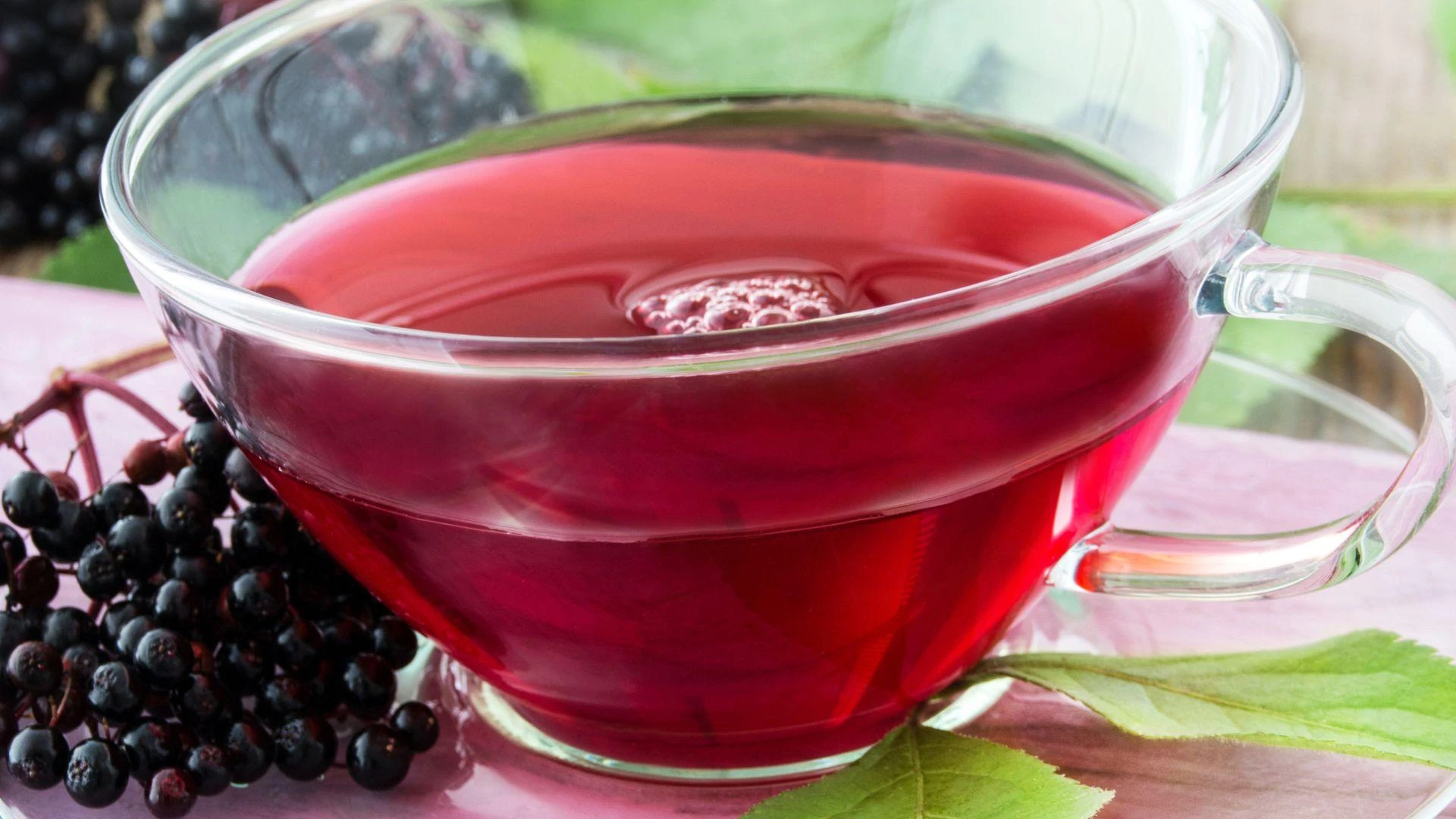

Herbal teas can be produced with dried flowers, fruits, spices, or herbs. In actuality, herbal teas have been used for hundreds of years as homeopathic treatments for various illnesses. It is interesting to note that contemporary research is starting to uncover evidence that both some of the older and some newer uses for herbal teas are valid. Herbs and organic chai spices including chamomile, peppermint, ginger, lavender, and others are frequently used in herbal teas. Herbal teas don't contain caffeine, making them a fantastic option for individuals who want a relaxing cup of tea without staying up all night or who wish to avoid caffeine. Here you can see about the various types of herbal tea and how it encourages you to live a healthier life:
Lavender herbal teas
Any tea with lavender in it can be referred to as lavender tea. Although it is frequently used in herbal tea blends, lavender also adds a calming flowery quality to caffeinated tea. Most culinary lavender used in tisanes originates from the English lavender plant. Before being combined with loose leaf tea and other herbal components, lavender blossoms are collected and dried. You often only need a tiny amount of lavender to flavor a significant volume of tea because lavender is stronger when dried than when it is fresh. Organic dried lavender tea has several advantages, including reducing stress, enhancing sleep quality, and elevating mood, easing headaches, easing period pain, and strengthening the immune system.
Ginseng herbal tea
Tea made from ginseng roots is recognized to have several health advantages. It used to be popular exclusively, but slowly more and more people are getting aware of it. The powerful flavor and aroma of this beverage can help your body relax. It contains anti-inflammatory and antioxidant effects, combats fatigue and exhaustion, is beneficial for blood sugar regulation, and enhances mood, conduct, and memory. It controls high blood pressure and hypertension and establishes a hormonal balance. A brew tisane is among the best herbal tea varieties for a healthy life.
Hibiscus herbal tea
Hibiscus tea is unquestionably your new favorite beverage if you enjoy the sweet-tart flavor of cranberries. There are hundreds of hibiscus species, but hibiscus sabdariffa is the most commonly used to make hibiscus tea, which is good hot or cold. It is systolic and diastolic blood pressure reduction and aids in liver health. It boosts HDL cholesterol while lowering LDL cholesterol and combating bacterial illness. It strives to overcome depression, is a vitamin C-rich source, and it is a brain booster tea.
Moringa herbal tea
Moringa herbal tea provides nutritional elements necessary for human health and is rich in antioxidants, vitamins, and minerals. Moringa leaves, now even offered as tea powder and tea bags, are used to make moringa herbal tea, which has a flavor similar to green tea.
Malnutrition can be fought with moringa tea, which can shield against arsenic toxicity. Enhance your coupling life by boosting your testosterone levels. Balances blood sugar levels and reduces insulin resistance and high levels of soluble fiber.
Chamomile Tea
Chamomile tea is one of the herbal tea varieties. Popular health drink made from the Asteraceae plant family, commonly known by the spelling camomile. It has many flavonoids but no caffeine, making it good for your skin and wellbeing. This calming beverage has analgesic, antispasmodic, and anti-inflammatory effects. It lowers the risk of diabetes over the long term and encourages bone density. It is a symptomatic relief for cold symptoms and lessens the possibility of digestive issues. Gain better skin health and reduce the rate of aging.
Winding-up
The above details are about the various types of herbal tea and how they encourage you to live healthier. As a result, herbal teas can be made in different tastes and flavors and offer a tempting substitute for water or sweetened beverages.
Read more: Health benefits of Elder Flowers





























Sign in to leave a comment.