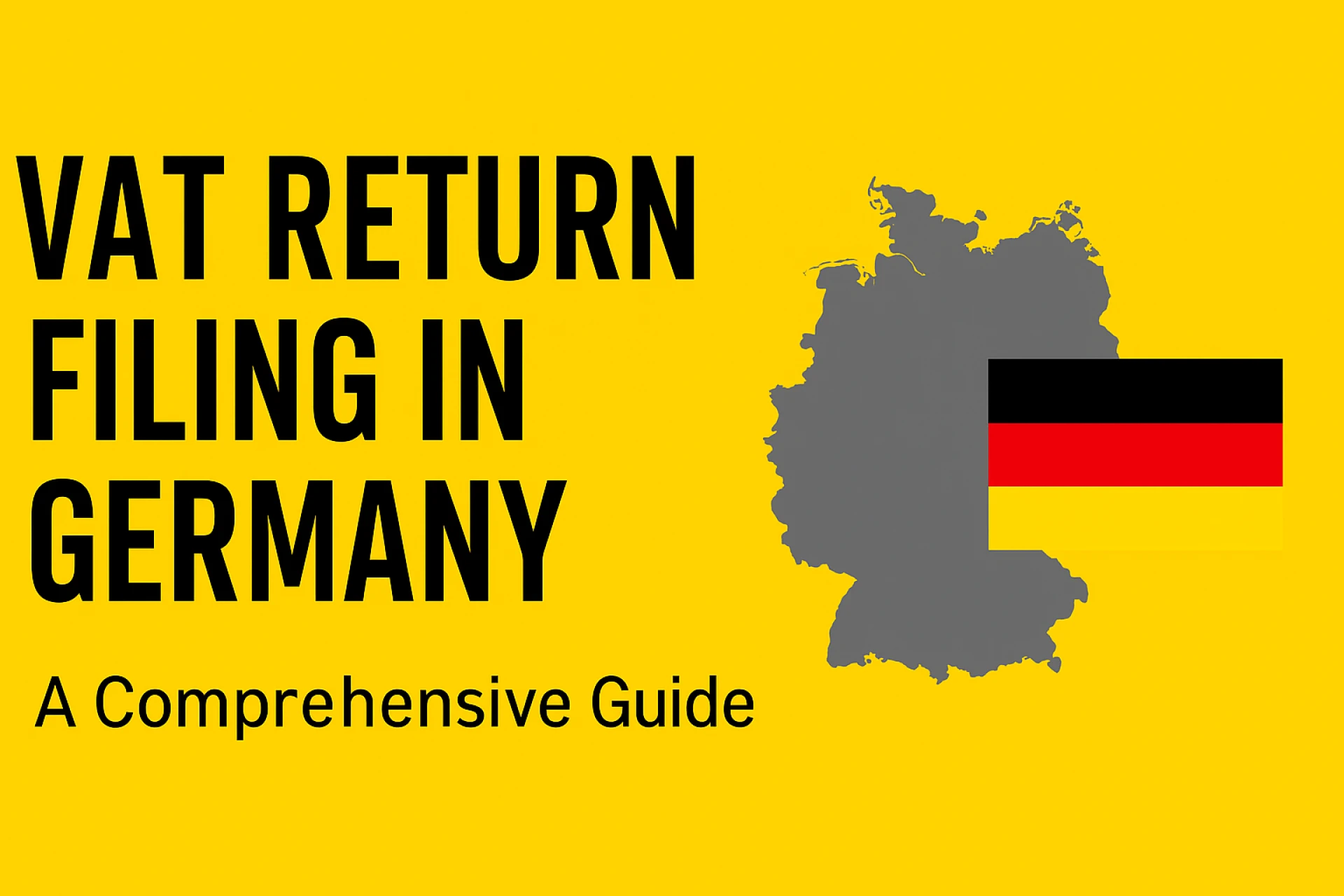

Value Added Tax (VAT) is a cornerstone of Germany’s tax system. For businesses operating in Germany—whether local companies, freelancers, or foreign businesses trading in the country—understanding how VAT return filing works is crucial to staying compliant and avoiding penalties.
This guide walks you through everything you need to know about VAT returns in Germany, from registration requirements to deadlines, penalties, and best practices.
Why VAT Compliance Matters
VAT is not just a tax—it’s part of your company’s credibility. German authorities are strict about deadlines, accuracy, and reporting standards. A missed filing or late payment can trigger penalties that quickly add up. Filing correctly and on time also ensures smoother audits, access to tax refunds, and a stronger business reputation.
Who Needs to File VAT Returns in Germany?
- Local Businesses: Any business providing goods or services in Germany is required to register and file VAT returns once they meet the threshold.
- Foreign Companies: Non-German businesses supplying goods or services in Germany may also need to register and file VAT.
- Small Businesses: Those under a certain turnover threshold may qualify for simplified schemes but still have obligations if they exceed limits.
- E-commerce Sellers: With Germany being one of the largest e-commerce markets in Europe, online sellers are often required to file VAT returns even at lower sales volumes.
VAT Rates in Germany
- Standard Rate: 19% applies to most goods and services.
- Reduced Rate: 7% applies to essential items like food, books, and healthcare.
- Zero-rated/Exempt: Some transactions are exempt, but these often require careful reporting to avoid mistakes.
Understanding which rate applies to your business is the first step toward accurate VAT filings.
Filing Frequency
The frequency of VAT returns depends on your VAT liability:
- Monthly Returns: Typically required for new businesses or those with high VAT liabilities.
- Quarterly Returns: Standard for many medium-sized businesses.
- Annual Returns: Smaller businesses with minimal VAT liability may file annually, though most still file quarterly or monthly.
For new businesses, filing is usually monthly for at least the first two years.
How VAT Liability is Calculated
VAT liability is the difference between the VAT you charge your customers (output VAT) and the VAT you pay on purchases (input VAT).
Example:
- VAT collected on sales: €8,000
- VAT paid on business expenses: €5,000
- VAT payable to the authorities: €3,000
If input VAT exceeds output VAT, you can usually claim a refund.
Filing Deadlines
Germany enforces strict deadlines:
- Monthly/Quarterly Returns: Usually due by the 10th of the following month.
- Annual VAT Return: Must generally be submitted by July 31 of the following year, with extensions possible if filed through a tax advisor.
Missing these deadlines often results in penalties and interest charges.
Nil and Corrective VAT Returns
- Nil Returns: Even if your business has no transactions, a nil VAT return is often still required to confirm no activity.
- Corrective Returns: If you make a mistake, you must file a corrected return electronically. German tax authorities expect accuracy, and corrections should be made quickly.
Penalties for Non-Compliance
Late or incorrect VAT returns can be costly:
- Late Filing Penalties: Up to 10% of the VAT owed, capped at significant amounts.
- Interest Charges: Typically added for each month that payments are delayed.
- Audit Risks: Non-compliance increases the chances of a tax audit, which can bring more scrutiny and financial liability.
Annual VAT Return
In addition to monthly or quarterly filings, businesses must file an annual VAT return summarizing the entire year’s transactions. This reconciles preliminary filings with actual results. Any differences are settled at this stage, making it one of the most critical compliance steps.
Record-Keeping Requirements
German law requires VAT-related records to be kept for at least 10 years. This includes:
- Invoices issued and received
- Accounting records
- VAT return submissions
- Import/export documentation
Maintaining accurate and well-organized records is essential to surviving audits and ensuring smooth compliance.
Recommended: https://easetocompliance.com/vat-return-filing-in-germany/
Common Challenges for Businesses
- Complex Rules for Cross-Border Sales – Businesses selling into Germany from abroad often misinterpret thresholds or exemptions.
- Language Barriers – Many official tax portals are in German, making it difficult for foreign companies to navigate.
- Strict Deadlines – The short window for filing leaves little room for errors or delays.
- High Penalties – Even small mistakes can result in financial losses.
Best Practices for VAT Return Filing in Germany
- Register Early – Don’t wait until you exceed thresholds.
- Use Reliable Software – Electronic filing is mandatory, so ensure your systems are compatible.
- Reconcile Monthly – Regular checks help avoid errors in quarterly or annual filings.
- Plan for Deadlines – Mark your calendars and set reminders well in advance.
- Seek Expert Support – A tax advisor can help navigate complex rules and save costs in the long run.
Why Work with a Professional Advisor?
Filing VAT returns in Germany can be time-consuming and complicated, especially for foreign businesses unfamiliar with local regulations. Professional advisors ensure:
- Accurate VAT calculations
- On-time filings
- Reduced risk of penalties
- Full compliance with German tax law
- Peace of mind so you can focus on growing your business
Partner with Ease to Compliance
At Ease to Compliance, we simplify the VAT return filing process for businesses operating in Germany. Whether you’re a small startup, an e-commerce seller, or an international company, our experts provide:
- End-to-end VAT compliance support
- Timely and accurate filings
- Guidance on cross-border transactions
- Assistance with audits and tax authority communication
📩 Contact us today to file your German VAT returns with confidence and avoid costly penalties.



























Sign in to leave a comment.