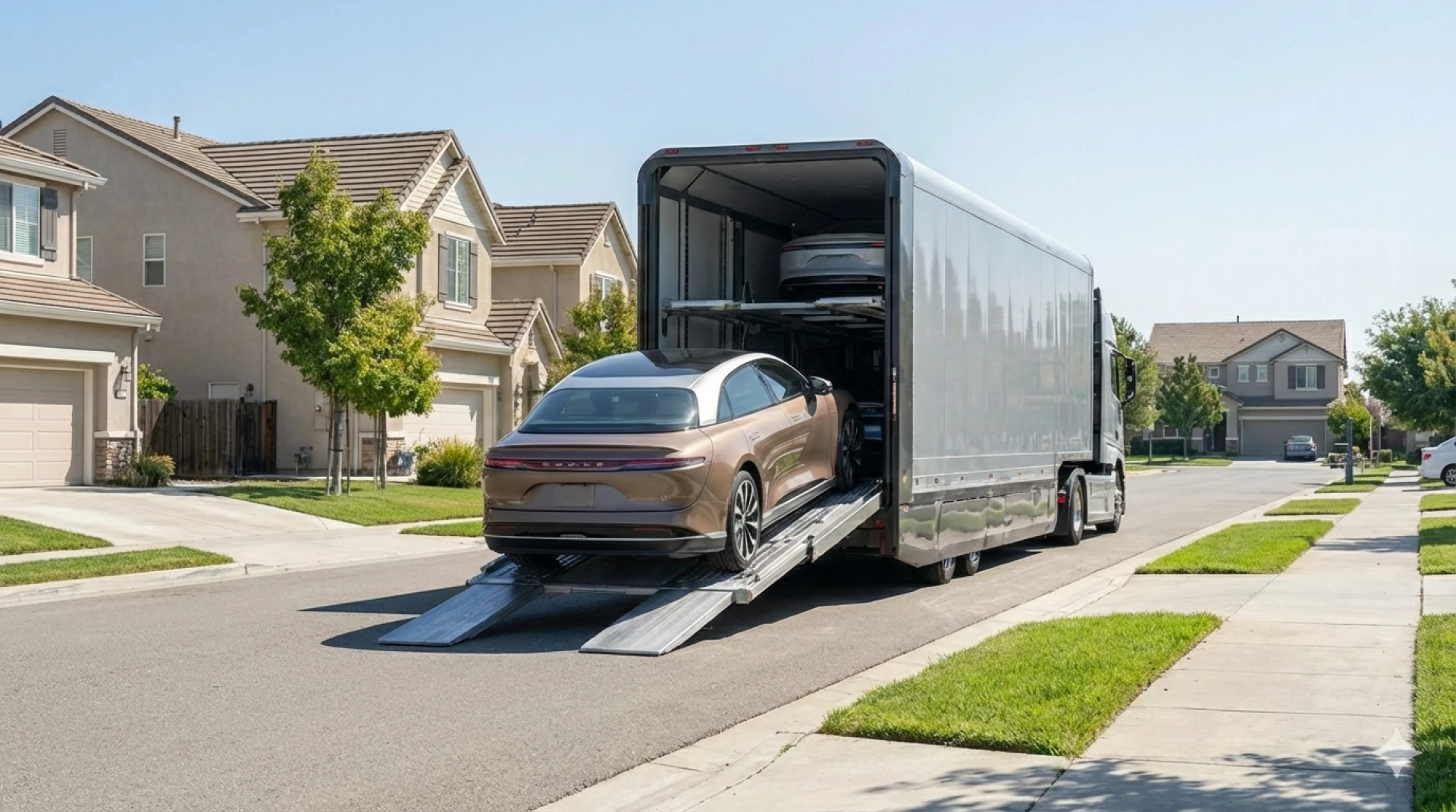
Moving a vehicle over long distances is no longer limited to dealerships or relocation companies. Individuals, online buyers, collectors, and businesses now rely on professional vehicle transport services to move cars safely across cities and states. As vehicle purchasing becomes increasingly digital, the demand for dependable shipping solutions continues to grow.
Rather than driving thousands of miles or coordinating multiple logistics steps, vehicle transport services provide structured handling, insured movement, and predictable delivery timelines. Understanding how these services work helps vehicle owners make informed decisions before selecting a provider.
What vehicle transport services include
Vehicle transport services involve the professional movement of cars and light trucks using commercial carriers licensed for interstate shipping. Vehicles are transported on specialized trailers designed to secure automobiles during transit.
These services are commonly used for:
- Interstate relocations
- Online vehicle purchases
- Seasonal travel
- Military moves
- Dealer and auction transfers
- Fleet transportation
Most shipments in the United States are completed using multi-car carriers operated by trained drivers who follow federal safety standards.
Why vehicle shipping has become more common
The way people buy vehicles has changed. Nearly 30 percent of used vehicle buyers purchase outside their local market, often hundreds of miles away. This shift has made professional transport a necessity rather than a convenience.
In addition, the Bureau of Transportation Statistics reports that Americans drive more than 3 trillion miles annually, making long-distance vehicle wear a growing concern for owners who prefer shipping over driving.
Types of vehicle transport services available
While all transport companies follow a similar shipping process, service types vary depending on vehicle value and customer priorities.
Open transport
Open carriers are the most widely used option. Vehicles are secured on open-air trailers similar to those used for new car deliveries. This method is cost-effective and widely available across the country.
Enclosed transport
Enclosed trailers protect vehicles from weather, dust, and road debris. This option is often selected for classic cars, luxury vehicles, exotic models, and low-clearance automobiles.
Door-to-door transport
Vehicles are picked up and delivered as close to the address as local access allows. This option offers maximum convenience and is preferred by most customers.
Terminal-based transport
Vehicles are dropped off and collected at transport terminals. While sometimes cheaper, terminals may increase handling time and travel requirements.
How auto transport service pricing is calculated
Pricing is determined by multiple variables rather than a flat rate.
Key cost factors include:
- Distance between pickup and delivery
- Vehicle size and weight
- Transport method selected
- Seasonal market demand
- Route availability
- Vehicle condition
For reference, Forbes estimates that average vehicle shipping costs in the United States typically fall between 900 and 1,300 dollars, with pricing fluctuating based on mileage and carrier availability.
Understanding these variables helps explain why two similar routes may receive different quotes.
What separates reliable car shipping companies from risky ones
Not all providers operate at the same standard. Reputable companies share several common traits.
- Active federal operating authority
- Cargo insurance coverage verification
- Transparent pricing structure
- Realistic pickup and delivery windows
- Clear communication throughout transport
A trustworthy car shipping company explains who handles dispatch, who carries insurance, and how updates are provided during transit.
What customers should prepare before pickup
Preparing the vehicle properly helps avoid inspection disputes and scheduling delays.
Recommended preparation steps include:
- Washing the vehicle to identify existing marks
- Removing personal items and accessories
- Keeping fuel near one quarter tank
- Checking tire pressure and battery charge
- Disabling alarms and toll devices
- Taking dated photos before pickup
These steps are standard across professional car hauling services.
Common misunderstandings about vehicle transport
Several assumptions often lead to confusion.
One common misconception is that lower pricing guarantees faster pickup. In reality, carriers accept shipments based on route profitability and scheduling availability.
Another misunderstanding is believing personal belongings are insured during transport. Most cargo insurance covers the vehicle only, not interior items.
Customers should also expect pickup windows rather than exact appointment times, as transport schedules depend on traffic and federal driving regulations.
Frequently asked questions
How long does vehicle transport usually take
Transit time depends on distance and route. Short regional moves may take one to three days, while cross-country shipments often require seven to ten days.
Is auto transport safer than driving
Professional shipping reduces mileage, mechanical wear, and exposure to road hazards. For long-distance moves, transport is often considered safer than extended driving.
Can non-running vehicles be shipped
Yes. Inoperable vehicles can be transported using specialized equipment, though pricing is typically higher due to additional labor.
Do the best car transport companies offer tracking
Many modern providers offer phone updates or digital tracking systems, though availability varies by carrier and route.
Why professional transport continues to grow
The U.S. vehicle shipping industry has expanded steadily. IBISWorld estimates total industry revenue exceeds 10 billion dollars annually, driven by e-commerce vehicle sales, relocation trends, and dealership logistics.
As vehicle ownership patterns evolve, demand for dependable transport solutions continues to rise nationwide.
Final overview
Vehicle shipping has become a routine part of modern car ownership. Whether moving across the country, purchasing online, or transporting specialty vehicles, professional vehicle transport services offer a structured and insured alternative to long-distance driving.
By understanding service types, pricing factors, and provider standards, vehicle owners can select transport solutions that align with both budget and protection needs. With proper planning, professional shipping provides a practical and reliable option for moving vehicles safely across any distance.











Sign in to leave a comment.