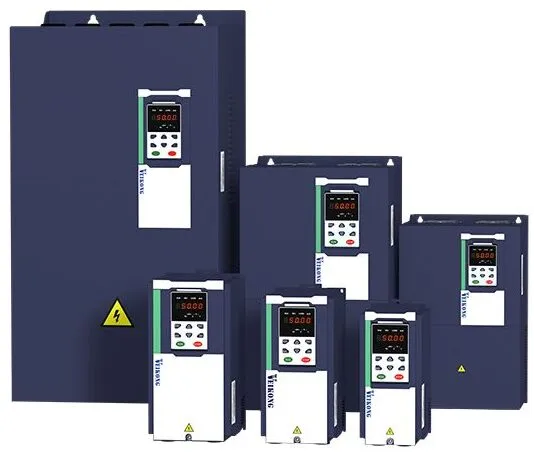

Running an induction motor efficiently is one of the best ways to reduce operating costs. Choosing the right motor control system plays a big role.
A VFD for induction motor offers more control than a soft starter, but each solution has its own purpose. Knowing the difference can help businesses make a better investment.
Understanding the Difference
A variable frequency drive (VFD) controls both the motor speed and torque. It changes the voltage and frequency supplied to the motor. This allows the motor to run only at the speed needed for the job.
A soft starter has a different role. It only reduces the starting current and gradually increases the motor speed during startup. Once the motor reaches full speed, the soft starter no longer controls it.
Because of this, both products solve different problems.
Where a Soft Starter Works Best
A soft starter is often the right choice when the motor always runs at full speed.
It is commonly used for:
· Compressors
· Conveyors
· Crushers
· Simple pumps
· Basic industrial machines
Benefits include:
· Lower purchase cost
· Reduced mechanical stress
· Smooth motor startup
· Less electrical shock during starting
However, it cannot reduce energy use during normal operation because the motor continues running at full speed.
Why a VFD Saves More Money
A VFD provides continuous motor control throughout operation. Instead of running at full speed all the time, it adjusts the speed based on demand. This creates several cost-saving benefits.
· Lower energy consumption: Many pumps and fans do not need to run at maximum speed all day. Even a small speed reduction can significantly lower electricity use.
· Less equipment wear: Smooth acceleration and deceleration reduce stress on motors, bearings, belts, and connected equipment. This often lowers maintenance costs.
· Better process control: Operators can adjust speed with high accuracy. This improves production quality and reduces waste.
· Longer motor life: Since the motor avoids sudden starts and stops, its operating life can increase.
Cost Comparison
However, the initial cost of a soft starter is typically cheaper. A variable-frequency drive is a higher-cost device since it comes with electronics for controlling the motor’s speed.
Nevertheless, the overall picture may look differently. If the machinery includes fans, blowers, or variable load devices, then using a VFD will result in lower power consumption, which can pay for itself with time.
The benefits from saving electricity and lower maintenance will also play a positive role. As for constant-speed machines, a soft starter will still be less expensive.
Choosing the Right Solution
These considerations will help you make the best decision.
Select a soft starter if:
· The motor operates constantly at full speed.
· Protection on startup is needed primarily.
· Costs play a key role.
Select a VFD if:
· Motor speed varies during operation.
· Higher energy efficiency is required.
· Improved process control is necessary.
· Operating costs should be decreased.
Which product is the most suitable depends on motor usage rather than its lower initial cost.
Final Thoughts
Both technologies have important advantages. A soft starter reduces startup stress and works well for fixed-speed applications. A VFD delivers great flexibility, better process control, and significant energy savings in variable-speed systems.
For many industries, this leads to lower operating costs over the life of the equipment. Shenzhen VEIKONG Electric CO. Ltd. provides advanced motor control solutions designed for automated solutions designed for industrial automation, including reliable VFDs and products that work alongside systems such as a solar inverter pump to improve efficiency and performance.


























Sign in to leave a comment.