
Businesses have always relied on marketing materials to communicate with customers, promote products, and strengthen brand awareness. Traditional brochures have been a common choice for decades because they are simple, informative, and cost effective. However, modern marketing has changed significantly, and businesses now need more engaging ways to capture customer attention.
This is where video mailers are becoming increasingly popular. By combining printed presentation with video technology, they offer a more interactive experience than standard brochures. Many companies now use video mailers to improve customer engagement, deliver stronger brand messages, and stand out in competitive markets.
The question many businesses ask is simple, which works better, video mailers or traditional brochures?
The answer depends on marketing goals, audience expectations, and the type of experience a business wants to create.
What Are Traditional Brochures?
Traditional brochures are printed marketing materials designed to provide information about products, services, or businesses. They often include text, images, company details, and promotional offers.
Brochures are widely used because they are affordable, easy to distribute, and suitable for trade shows, direct mail campaigns, and in store marketing. They allow businesses to communicate information clearly in a compact format.
However, brochures rely entirely on static content. In today’s fast moving digital world, many customers quickly overlook printed materials without fully reading them.
What Are Video Mailers?
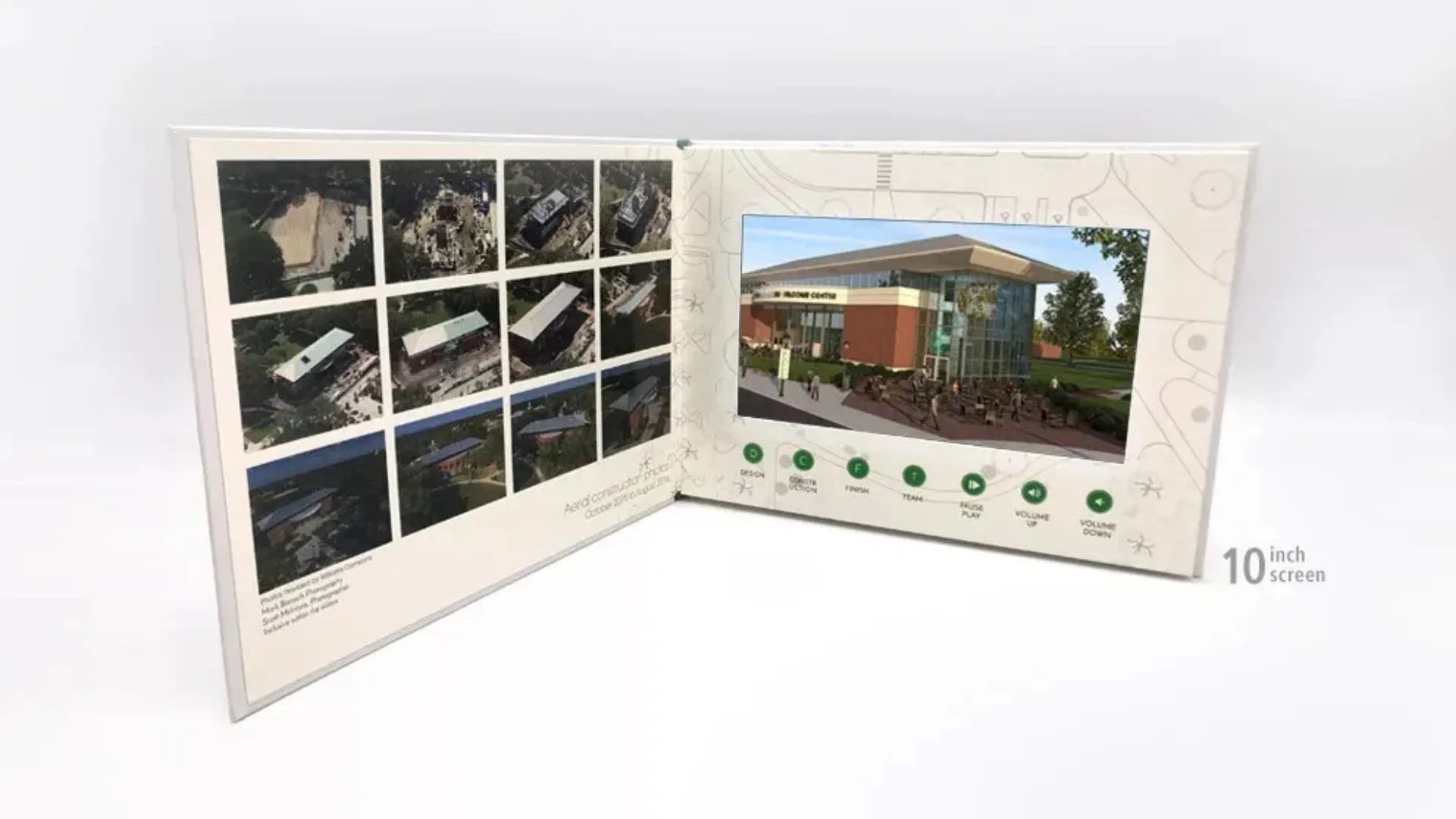
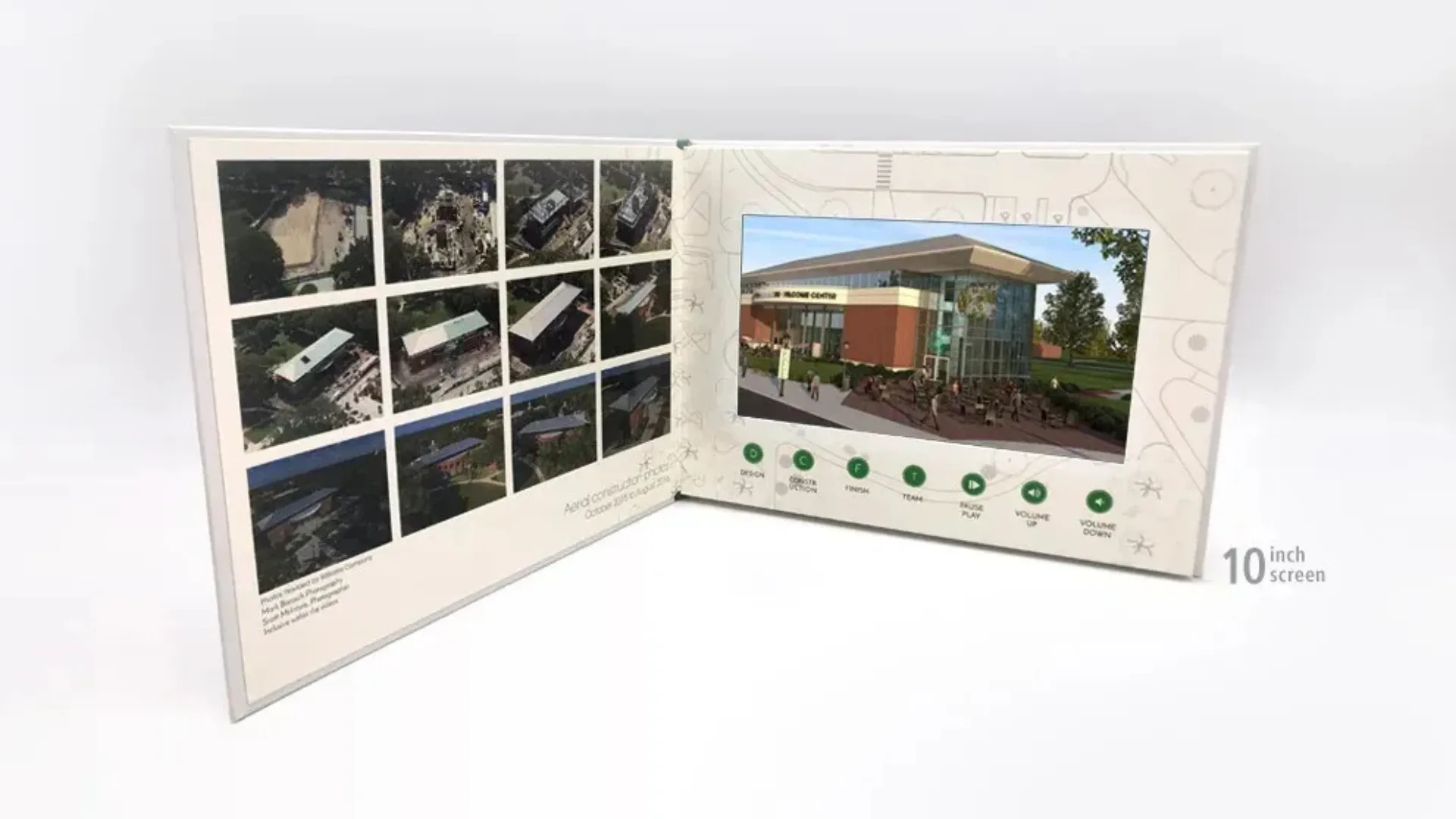
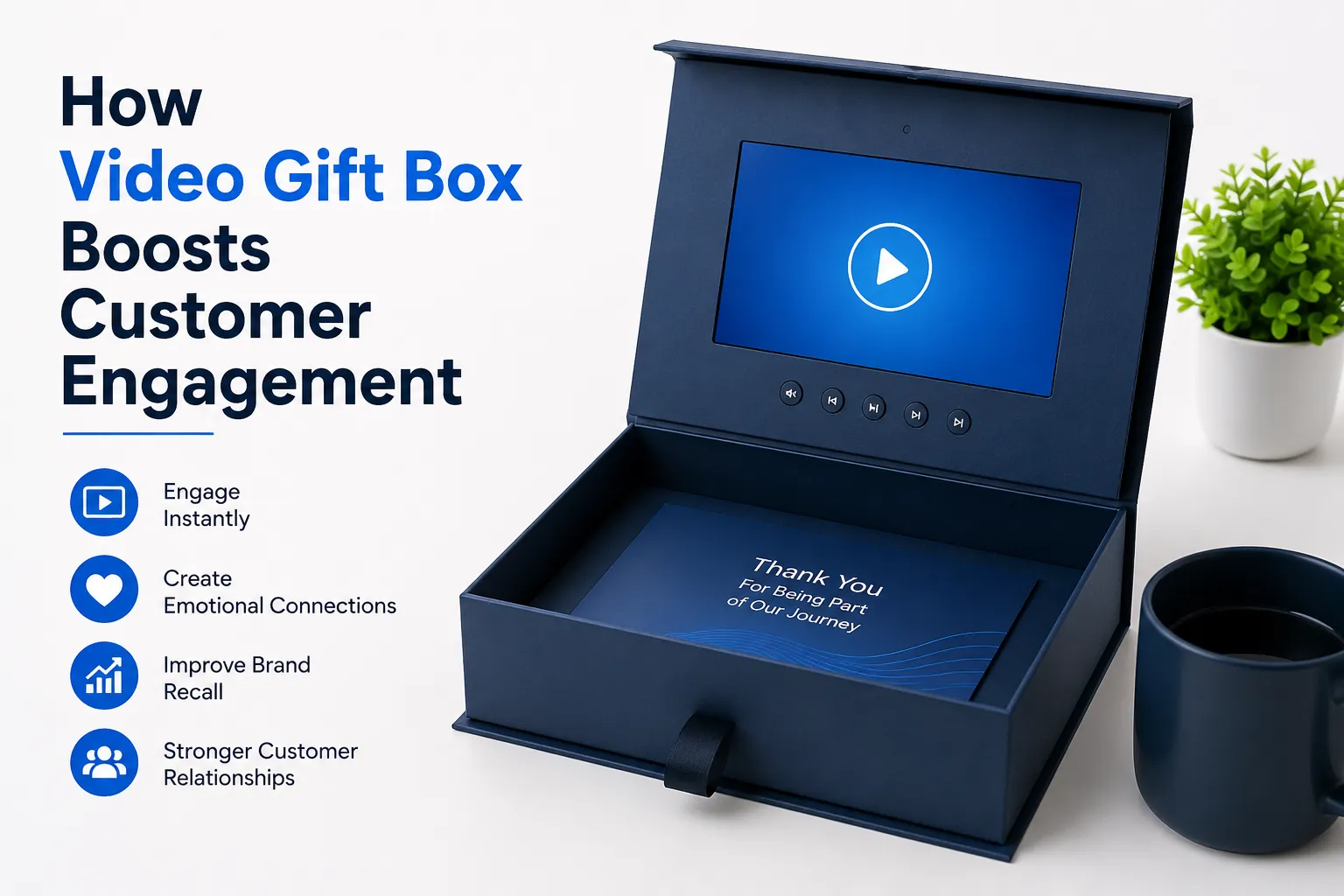
Video mailers are printed presentation packages with a built in screen that automatically plays a video when opened. They combine physical packaging with digital storytelling to create a more engaging experience.
Businesses use video mailers for product launches, client presentations, promotional campaigns, luxury branding, and corporate communication. Instead of relying only on text and images, they use motion, sound, and visuals to communicate messages more effectively.
Customer Attention and Engagement
One of the biggest differences between video mailers and traditional brochures is engagement.
Traditional brochures can provide useful information, but they compete with countless other printed materials that customers receive daily. Many brochures are glanced at briefly before being discarded.
Video mailers capture attention immediately. The automatic video playback creates curiosity and encourages people to interact with the content. Since video naturally attracts viewers, recipients are more likely to spend time watching the message.
This longer interaction often leads to better customer engagement and stronger message retention.
Brand Experience and Presentation
Presentation plays an important role in marketing success. Traditional brochures can look professional when designed well, but they still feel like standard print materials.
Video mailers create a premium and memorable experience. Opening a package and seeing a video begin instantly feels modern and impressive. This can make a business appear more innovative and customer focused.
For luxury brands, high value sales campaigns, or important client presentations, video mailers often create a stronger emotional impact than brochures.
Communication Effectiveness
Brochures communicate information through text and images. While this works well for simple explanations, it can sometimes feel limited when businesses need to explain complex products or services.
Video mailers make communication easier because businesses can use demonstrations, voiceovers, animation, and storytelling. Customers can quickly understand products, services, or brand values through visual presentation.
This makes video mailers especially effective for industries such as technology, healthcare, real estate, and corporate services.
Cost Comparison
Traditional brochures are more affordable than video mailers. They are inexpensive to print in large quantities, making them suitable for mass marketing campaigns.
Video mailers require more investment because they include screens, batteries, and custom production. However, many businesses believe the higher engagement and stronger customer response justify the additional cost.
For premium campaigns or high value clients, video mailers can deliver better long term marketing value.
Which Works Better?
The better option depends on business goals.
Traditional brochures work well for businesses that need affordable, large scale distribution of information. They remain useful for events, retail promotions, and general advertising.
Video mailers work better when businesses want to create memorable experiences, improve engagement, and build stronger emotional connections with customers. They are particularly effective for premium branding, B2B marketing, and high impact campaigns.
Many businesses now combine both methods, using brochures for general promotion and video mailers for important presentations or targeted campaigns.
Conclusion
Both traditional brochures and video mailers have value in modern marketing. Brochures remain practical and cost effective, while video mailers provide a more engaging and memorable customer experience.
As customer expectations continue to evolve, businesses are increasingly looking for creative ways to stand out. Video mailers offer a modern marketing solution that combines storytelling, technology, and premium presentation to capture attention more effectively than traditional print materials alone.
Frequently Asked Questions
What are video mailers?
Video mailers are printed presentation packages with built in screens that play video content when opened.
Are video mailers more effective than brochures?
In many cases, yes. Video mailers create higher engagement and stronger customer attention through interactive video content.
Why do businesses still use traditional brochures?
Traditional brochures are affordable, easy to distribute, and effective for sharing basic information in large marketing campaigns.
Which industries benefit most from video mailers?
Industries such as real estate, healthcare, technology, luxury retail, and corporate services often benefit from video mailers.
Are video mailers worth the investment?
For businesses focused on premium branding, customer engagement, and high value marketing campaigns, video mailers can provide excellent marketing value.

























Sign in to leave a comment.