

Installing Vinyl Over Tile is one of the most practical ways to update old flooring without tearing everything out. Many homeowners choose this option when their ceramic or porcelain tile is still strong but looks outdated, cold, or difficult to match with a modern interior.
Instead of spending extra time and money on tile removal, Vinyl Over Tile can give your home a fresh look with less mess. But the success of the project depends on one important thing: preparation. If the old tile is uneven, loose, cracked, or poorly cleaned, the new vinyl floor may not last as expected.
What Is Vinyl Over Tile?
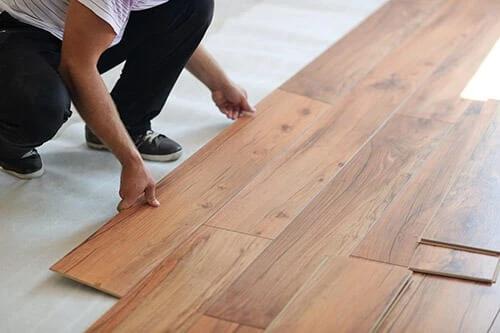
Vinyl Over Tile means placing a new vinyl flooring surface directly over an existing tile floor. This is common in kitchens, bathrooms, laundry rooms, hallways, and entry areas.
The existing tile acts as the base, while the vinyl gives the room a new finish. Homeowners often choose luxury vinyl plank, rigid-core vinyl, vinyl tile, or vinyl sheet for this type of upgrade.
Is Vinyl Over Tile a Good Flooring Choice?
Yes, Vinyl Over Tile can be a good choice when the tile is solid, flat, and dry. It is especially useful when you want a faster flooring update without demolition.
This method can save money on labor, reduce dust, and shorten the project timeline. It also avoids the trouble of breaking tile, removing adhesive, and repairing the subfloor underneath.
However, it is not the right option for every home. If the tile is moving, cracked, uneven, or damaged by moisture, those issues must be fixed first.
Benefits of Installing Vinyl Over Tile
The biggest benefit of Vinyl Over Tile is convenience. Removing tile can be noisy, messy, and expensive. Vinyl installation over existing tile can make the process smoother.
It also gives homeowners more design choices. Modern vinyl flooring comes in wood-look, stone-look, marble-look, and neutral patterns. This makes it easier to match your flooring with cabinets, walls, furniture, and other rooms.
Another benefit is comfort. Vinyl feels warmer and softer underfoot than ceramic tile. It is also easier to clean, which makes it practical for busy households.
When Vinyl Over Tile Works Best
Vinyl Over Tile works best when the existing surface is in good condition. The tile should be firmly attached to the floor. There should be no hollow sounds, loose sections, deep cracks, or major height differences.
The grout lines also matter. If they are too deep, they may show through the vinyl over time. In that case, the installer may need to fill the grout lines with a floor patching compound before laying the vinyl.
How to Prepare Tile Before Vinyl Installation
Preparation is the most important step in any Vinyl Over Tile project. First, the tile must be cleaned properly. Dirt, grease, wax, soap residue, and dust can affect how the vinyl sits or sticks.
Next, the floor should be checked for cracks, loose tiles, and uneven areas. Any damaged tile should be repaired or replaced. Deep grout lines should be filled to create a smooth surface.
A professional installer may also check moisture levels, door clearance, baseboards, and transitions. These small details help create a clean finished look.
Best Vinyl Flooring Options for Tile Floors
Not every vinyl product performs the same way over tile. Luxury vinyl plank is a popular option because it gives the look of hardwood with better moisture resistance. Rigid-core vinyl is also a strong choice because it handles minor floor imperfections better than thinner products.
Vinyl sheet can work well in bathrooms and laundry areas because it has fewer seams. Peel-and-stick vinyl may be cheaper, but it needs a very smooth surface. If the tile has deep grout lines, peel-and-stick products may not bond well.
Common Mistakes to Avoid
One common mistake is installing Vinyl Over Tile without checking whether the tile is stable. If the old tile moves, the vinyl above it may shift or crack.
Another mistake is ignoring grout lines. Thin vinyl can reveal the tile pattern underneath after some time. This is called telegraphing.
Homeowners should also avoid choosing flooring only by appearance. Thickness, wear layer, water resistance, and installation method matter just as much as design.

Vinyl Over Tile vs Carpet Installation Mckinney
While Vinyl Over Tile is a strong choice for kitchens, bathrooms, and entryways, carpet is still useful in bedrooms, stairs, and family rooms. Many homeowners also look for Carpet Installation Mckinney when they want warmth, softness, and better sound control.
Vinyl is easier to clean and works well in moisture-prone areas. The carpet feels more comfortable and helps create a quieter room. The best flooring plan may include both materials, depending on how each space is used.
Where Carpet Installation Mckinney Fits in a Home Upgrade
If you are remodeling multiple rooms, combining Vinyl Over Tile with Carpet Installation Mckinney can create a balanced home design. For example, vinyl can be used in kitchens, bathrooms, and laundry rooms, while carpet can be installed in bedrooms and upstairs areas.
This approach gives each room the flooring it needs. Hard flooring supports easy cleaning and durability. Carpet supports comfort, warmth, and noise reduction.
Cost Factors for Vinyl Over Tile
The cost of Vinyl Over Tile depends on the size of the room, type of vinyl, floor condition, and preparation work required. If the tile is already smooth and stable, the project may be more affordable.
If the floor needs leveling, grout filling, moisture treatment, or tile repair, the cost may increase. Still, it may remain more affordable than full tile removal and subfloor repair.
For Carpet Installation Mckinney, cost depends on carpet material, padding quality, room size, stair work, and old flooring removal.
Should You Hire a Professional Installer?
DIY installation is possible for some homeowners, especially with click-lock vinyl plank. But professional help is often better when the tile floor has grout lines, uneven sections, or moisture concerns.
A skilled installer can inspect the old tile, prepare the surface correctly, choose the right vinyl type, and finish transitions neatly. This helps the new floor look better and last longer.
Final Thoughts
Vinyl Over Tile is a smart flooring solution when the existing tile is strong, level, and properly prepared. It can save time, reduce mess, and give your home a cleaner, more modern appearance.
For a complete flooring upgrade, homeowners can also consider Carpet Installation Mckinney in rooms where softness and comfort matter most. With the right planning and installation, your flooring can improve both the look and daily function of your home.
FAQs
1. Can Vinyl Over Tile be installed in any room?
Vinyl Over Tile can work in kitchens, bathrooms, laundry rooms, hallways, and entryways if the existing tile is stable, clean, and level.
2. Do I need to remove old tile before installing vinyl?
Not always. If the tile is in good condition, vinyl can often be installed over it. Damaged or loose tile must be repaired first.
3. Will grout lines show through vinyl flooring?
They can, especially with thin vinyl. Deep grout lines should be filled before installation to create a smooth surface.
4. What type of vinyl is best over tile?
Luxury vinyl plank and rigid-core vinyl are usually the best options because they are durable and more stable over existing tile.
5. Is carpet better than vinyl for bedrooms?
Yes, carpet is often better for bedrooms because it feels soft and helps reduce noise. Many homeowners choose Carpet Installation Mckinney for bedrooms, stairs, and family rooms.
6. Is Vinyl Over Tile a cost-effective flooring option?
Yes, Vinyl Over Tile can be cost-effective because it reduces demolition, cleanup, and labor compared to full tile removal.





























Sign in to leave a comment.