
A visa for digital nomads in Portugal, often referred to as a D7 Visa or "Self-Employed Visa," is a type of residence permit that allows individuals to live and work in Portugal while pursuing remote work or self-employment. This visa is designed for those who can conduct their professional activities online, making it an attractive option for digital nomads and freelancers.
Hitting the Refresh Button on Your Life
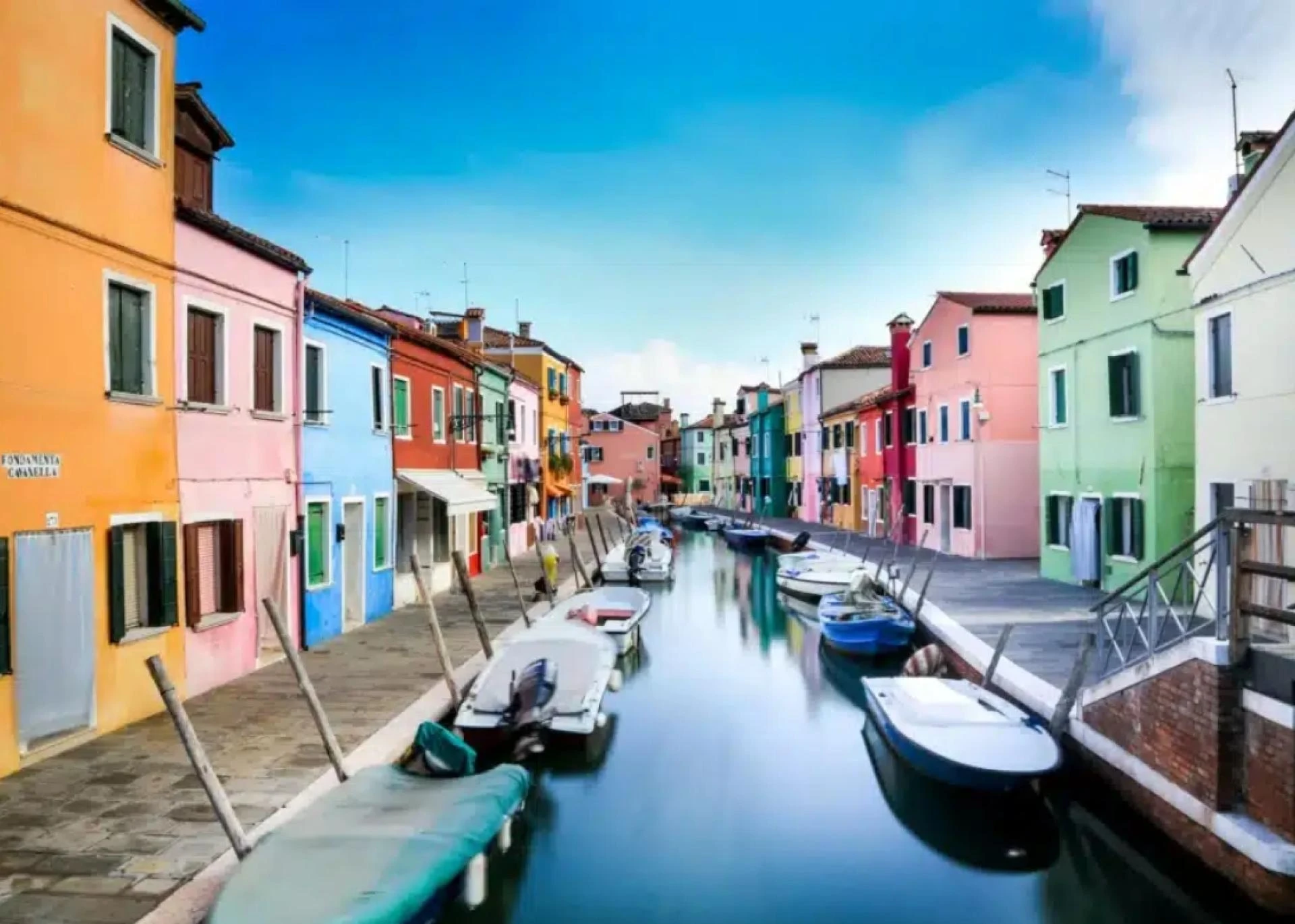
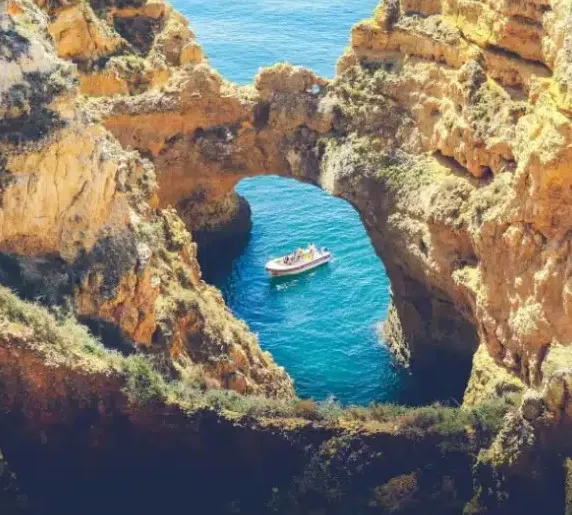
Picture this: cobblestone streets, historic architecture, warm beaches, and the aroma of Pastéis de Nata in the air. Portugal is a dream destination for many, and now it's easier than ever for digital nomads to make it their home base.
What's the Deal with Portugal?
Portugal is not just a beautiful destination; it's also incredibly welcoming to digital nomads. Its rich history, vibrant culture, and thriving tech scene make it the perfect backdrop for your remote work adventure. Now, let's dive into the nitty-gritty details.
The Golden Ticket: D7 Visa
If you're planning to stay in Portugal for an extended period as a digital nomad, the D7 Visa is your golden ticket. It's the ace up your sleeve for a fantastic experience in this charming country.
The D7 Visa Unveiled
The D7 Visa, also known as the Passive Income Visa, is the go-to option for freelancers and remote workers. It's designed for those who want to reside in Portugal without engaging in local employment. This visa allows you to live in this beautiful country while working remotely for clients worldwide.
Financial Requirements
To obtain a D7 Visa, you need to meet certain financial requirements. You should be able to show that you have a steady income that covers your living expenses. This income can come from various sources, such as freelance work, investments, or even renting out a property. It's all about demonstrating your financial stability.
The Nuts and Bolts
Now, let's get into the specifics. You'll need to show that your income meets the minimum requirements, which can vary, but it's typically around €7,200 per year. You'll also need to prove that you have adequate health insurance and no criminal record.
The Digital Nomad Hub: Lisbon
While Portugal, in general, is a digital nomad's paradise, Lisbon stands out as the ultimate hub for remote workers. It's a city where tradition meets innovation, and where Fado music harmonizes with the hum of startups.
The Lisbon Advantage
Lisbon boasts a fantastic quality of life. You'll find co-working spaces around every corner, a thriving tech ecosystem, and a lively community of fellow digital nomads. The city's affordable cost of living is the icing on the cake.
The Art of Living in Lisbon
Life in Lisbon offers a unique blend of work and leisure. You can work from a quaint cafe with a view of the Tagus River during the day and then explore the city's vibrant nightlife. The city's charm lies in its ability to make you feel like a local while being a visitor.
The "Freelancer" Visa
If the D7 Visa doesn't quite fit your situation, Portugal has another card up its sleeve – the "Freelancer" Visa, officially known as the Temporary Stay Visa.
The Temporary Stay Visa Unleashed
The Freelancer Visa is perfect for digital nomads who plan to stay in Portugal for up to one year. It's more flexible than the D7 Visa, allowing you to test the waters before committing to a more extended stay.
Requirements for the Freelancer Visa
The application process for the Freelancer Visa is less complicated than the D7 Visa. You need to show that you have a source of income, sufficient to support yourself during your stay in Portugal, and have health insurance.
What About Taxes?
Taxes might not be the most thrilling topic, but they're essential when it comes to your digital nomad adventure in Portugal.
Tax Benefits
One of the significant perks of living in Portugal as a digital nomad is the tax benefits. The country offers a special tax regime called the Non-Habitual Resident (NHR) regime. Under this regime, you can enjoy substantial tax benefits for ten years, including exemptions and reduced rates on various types of income.
The NHR Regime Demystified
The NHR regime is a fantastic opportunity for retirees and freelancers. You can enjoy tax exemptions on your foreign-source income, such as royalties, dividends, and income from intellectual property. This means more money in your pocket to enjoy Portugal's exquisite cuisine and culture.
The Application Process: Simplified
Now, let's break down the application process for both the D7 Visa and the Freelancer Visa, making it as easy as ordering a Pastel de Bacalhau.
D7 Visa Application
The D7 Visa application is relatively straightforward. You'll need to provide the following documents:
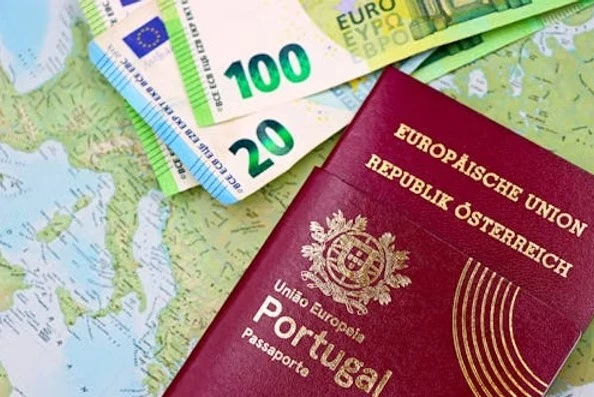
A valid passportProof of health insuranceProof of sufficient incomeNo criminal record certificateA completed application formYou'll submit your application at a Portuguese consulate or embassy in your home country, and once it's approved, you're good to go!
Freelancer Visa Application
The Freelancer Visa application is just as simple. You'll need:
A valid passportProof of health insuranceProof of sufficient incomeA completed application formA one-year travel insurance policyYou can submit your application at the Portuguese Immigration and Borders Service (SEF). Once approved, you're all set to explore Portugal!
Conclusion
In the end, the idea of getting a visa as a digital nomad in Portugal might seem daunting, but it's a relatively simple process that opens the door to a world of possibilities. The D7 Visa and Freelancer Visa are your keys to experiencing the magic of Portugal while keeping your remote career alive.
So, pack your bags, grab your laptop, and come experience the best of both worlds in Portugal. The sun, the sea, and the charming streets are waiting for you.
























Sign in to leave a comment.