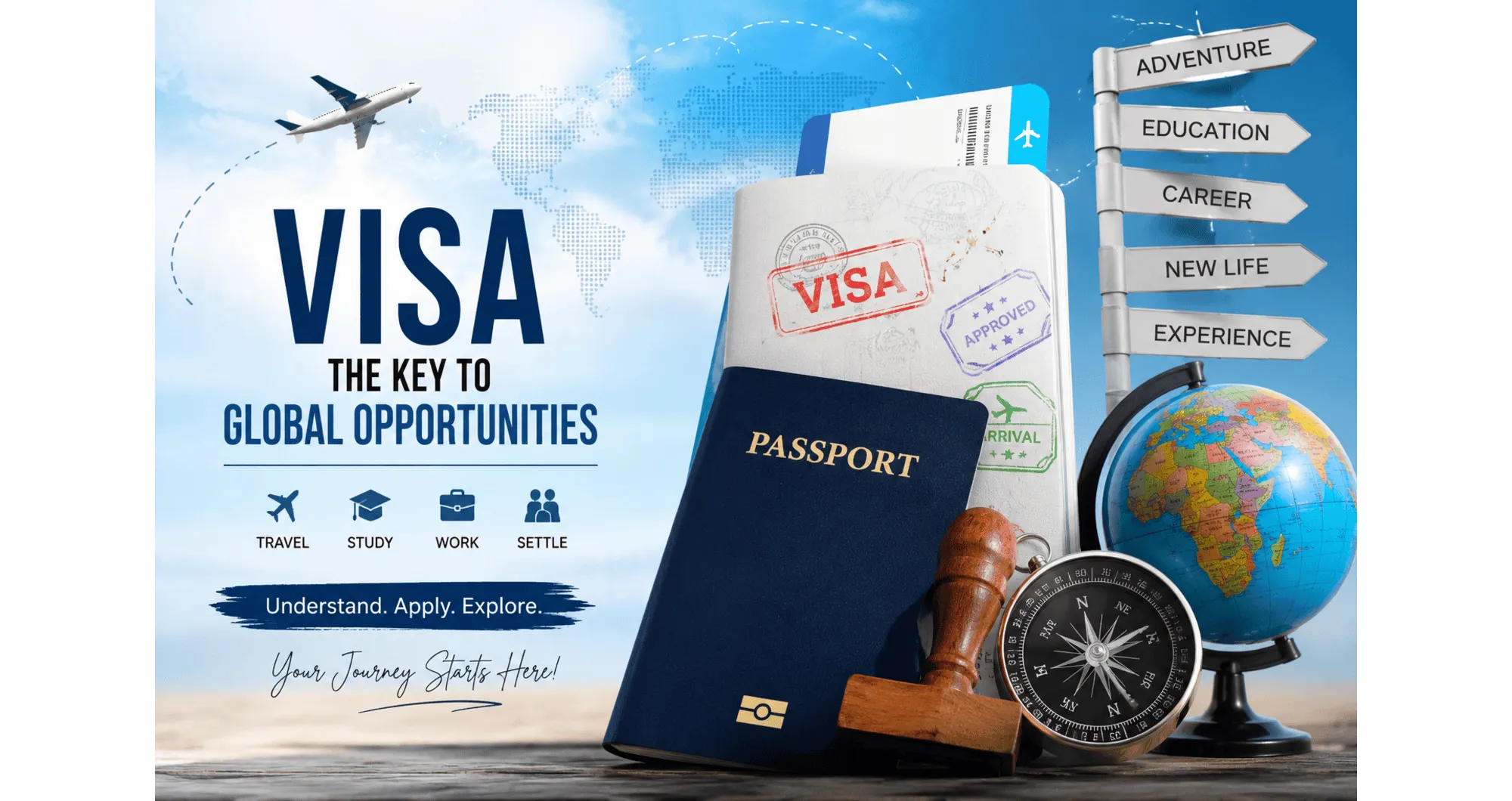

A visa is an official document or stamp that is usually placed in a passport. It gives non-citizens legal permission to enter, leave or stay in a foreign country for specific purposes (such as tourism, work and study). Even if you are a frequent flyer or a first-time traveller, understanding visas can be quite confusing.
This blog will help you understand how important a visa is, its types, and how to apply for an Indian Visa.
What is a Visa?
A visa is considered an official authorisation document that allows an individual to enter, stay or transit through a country. Individuals with a visa may be eligible to enter a specific country within a certain timeframe for purposes such as work, tourism, and employment. The authorities of the destination country issue visas as stamps, stickers or electronic records. You can get a visa based on your reason for travel (study, work or tourism) and whether you meet the country's entry requirements.
While your passport works as proof of your identity and nationality, a visa is your pass to enter another country legally. However, it does not guarantee entry since the final authority lies with the immigration officers at the border.
Why do countries require a Visa?
A few key reasons for countries requiring a visa include:
- Security and Safety
Screening visitors allows countries to prevent individuals from entering who may pose a threat to the security and safety of the country.
- Immigration control
Visas help in controlling illegal immigration and ensure that the visitors comply with immigration laws and do not overstay illegally.
- Tracking Visitors
Visa applications are used to gain information about the purpose and duration of the trip, which in turn helps the host country manage its borders.
- Economic Control and Revenue
Visas help in generating income. Regulations ensure tourists and workers help with the local economy without taking jobs from citizens.
Immigrant and Non-immigrant Visa
Visas are generally classified into 2 types, namely:
- Immigrant Visa: It allows an individual to live permanently in a foreign country for employment or to live with family.
- Non-Immigrant Visa: It allows an individual to enter a country temporarily for tourism, work or to study.
Certain non-immigrant visas may result in permanent residency. For example, an individual entering a country on a student visa might be able to get an immigrant visa if they meet certain criteria. However, non-immigrant visas (like a tourist visa) do not offer permanent residency.
Validity and Duration
All visas have a validity period and a duration of stay, though it is not always the same. The validity of a visa means the time frame in which you can enter a country. The duration of a visa refers to how long you can remain in a country on each visit.
Make sure not to confuse the two. If you overstay your allowed duration in any country, even with a valid visa, it can lead to penalties or future travel restrictions.
What is a Visa-free and a Visa on arrival?
Visa-free means you do not require a visa when travelling to visa-free countries for certain types of visits. You only require your valid passport. For instance, individuals with a US passport can travel to many European countries for short stays. However, conditions still apply, and entry isn't automatically granted.
Visa on Arrival means you can obtain a visa at the airport or border crossing after arriving in the destination country. You do not have to apply in advance, but you must bring all the valid documents before travelling.
Types of Visas
There are different types of visas based on the reason for your travel. Each type of visa has its own rules, eligibility and validity period.
1. Transit Visa
- A transit visa is required when you are passing through a country on your way to another country.
- It is a short-term visa that handles layovers, where you leave the airport or change terminals.
- It is usually permitted for a limited stay of 24-72 hours and prohibits tourism or business activities.
2. Tourist Visa
- A tourist visa is required if you are sightseeing or visiting family or friends in another country.
- You are not allowed to work, operate businesses or claim permanent residency with a tourist visa.
- It is usually issued for short-term stays, ranging from a few days to several months.
3. Student Visa
- A student visa is required if you are planning to study in another country.
- It allows students to attend universities, colleges or special schools.
- It is usually valid for the duration of the academic program.
- It requires proof of admission from a recognised institution and evidence of financial support for tuition and living expenses.
4. Work Visa
- A work visa is important if you have a job offer from an employer in the country that sponsors your visa.
- Work visas have an expiration date and are valid only for the duration of the employment contract.
- This type of visa is usually tied to a specific job position and employer.
- If you plan to change your job, you will require a new work visa.
- The individual must be able to prove their qualifications, skills and secure a valid employment contract.
- In many countries, spouses and dependent children may accompany the visa holder to the destination country.
5. Digital Nomad Visa
- This type of visa helps you to work remotely while living abroad.
- It is usually valid for 1-2 years and is often renewable.
- You must be able to provide proof of a remote employment contract, health insurance and a clean criminal record.
- It can sometimes be used for extended stays and may also lead to permanent residency.
- Countries like Costa Rica and Portugal offer these visas so you can legally stay there while working for clients or employers.
6. Immigrant or Permanent Residence Visas
- This type of visa allows a foreign national to live and work indefinitely in a country without requiring repeated visa renewals.
- It requires family sponsorship, job offers or other types of qualifications.
- It grants access to public healthcare, social security and freedom to change employers.
- In many countries, permanent residents may apply for citizenship after meeting the required physical presence criteria.
7. Diplomatic Visa
- This type of visa is used if you are a government official or diplomat travelling for official duties.
- With this visa, you may receive certain legal protections and privileges under diplomatic agreements.
- Eligible only for diplomatic passport holders or for individuals having an official government role.
What are the common challenges faced by applicants while applying for a visa?
Even if you are having the correct documents and intentions, visa applicants can still face hurdles. Below are a few common challenges applicants face and how to work around them.
| Challenge | Solution |
| Language Barriers | Use certified translations for any official, non-English documents |
| Missing or Incorrect documents | Create a checklist and double-check all forms and required paperwork before submission |
| Appointment Delays | Make sure to book appointments in advance and use authorised visa centres if possible. |
| Application Denial | Review rejection reasons, fix errors and consider consulting an immigration expert |
| Confusion about the Visa types or their requirements | Carefully research the official immigration websites |
| Difficulty securing a visa appointment | Apply early, especially during peak travel seasons and follow instructions diligently |
How to apply for an Indian Visa?
The Indian visa application process varies depending on your nationality, the country you are travelling to and the type of visa you require. In general, you can follow the steps below to apply for an Indian visa.
1. Determine the correct type of Visa
- Choose the visa that matches your travel purpose (study, work, tourism or official duties).
- You may face unwanted rejections and legal issues if you apply for the wrong visa.
2. Gather the Documents Required
Make sure you gather all the necessary documents beforehand, such as:
- Your valid passport (with its validity) and blank pages for a visa stamp.
- Filled-out application form.
- Passport-sized photos (recent) meeting the visa requirements.
- Your travel itinerary, flight tickets or booking confirmations for other travels.
- Financial proof such as your bank statements, employment letters or a notarised letter of financial support. (if someone else is funding your travel)
- Depending on the type of visa, additional documents such as proof of employment, an invitation letter, school admission, or medical test results may be required.
3. Submit your Application
- You can apply for a visa through your country's immigration website, a visa application portal or an authorised visa centre.
- In some cases, you may also need to apply for a visa in an offline manner.
- Make sure to apply for a visa beforehand, as processing times can range from a few days to several months.
4. Pay the Visa Fee
- The fee structure depends on the destination country and the type of visa.
- Make sure to confirm the latest fees on the official government website.
5. Attend an Interview (if required)
- After applying for your visa, you might be interviewed by a consular officer to discuss your travel plans and take your fingerprints.
- It is necessary to have all required documents on hand to facilitate the interview.
- Understanding the visa interview process may help you prepare for questions from the consular officer.
- To improve the chances of visa approval, you must communicate your academic goals clearly.
6. Wait for a Response
- The processing time for a visa may take from a few days to several weeks.
- You can also track your application online through authorised websites.
- Upon arrival, you may be asked questions about your visit, and the immigration officers will review your documents.
- Make sure you carry copies of your supporting documents to avoid delays.
7. Remain Compliant
- Always follow the visa rules after getting your visa.
- Respect the duration of your permitted stay and inform the authorities of major changes, such as a new job or address.
- If you are planning to extend your stay or change your visa type, make sure to apply before your current visa expires.
Tips for a Smooth Indian Visa Application Process
Here are a few tips to ensure you have a smooth visa application experience.
- As the processing time varies, make sure to apply early for your visa in accordance with your planned travel date.
- Always be honest and provide the correct information.
- Make sure you have all the necessary receipts and documents at hand.
- Always follow the guidelines provided by the embassy or consulate carefully.
Conclusion
Understanding what a visa is and how it works is important for anyone planning to travel, study or settle abroad. A visa is more than just a stamp or document; it is your official permission to enter and stay in a foreign country for specific purposes. By learning about the different types of visas, you can choose the right option based on your travel goals.
Being aware of visa requirements, documents, eligibility criteria, and processing time helps you avoid delays and increases your chances of approval. Whether you are a first-time traveller or planning a long-term relocation, having clear knowledge about how to apply for a visa ensures a smooth and hassle-free experience.














Sign in to leave a comment.