Lighting has evolved far beyond basic bulbs and fixtures. Today, lighting is an essential element of interior and architectural design, shaping how spaces look, feel, and function. Among the many modern lighting solutions available, wall light panels have emerged as a versatile, efficient, and visually striking option. From homes and offices to commercial spaces, studios, and public venues, wall light panels offer a clean, contemporary approach to illumination.
This article provides a generic and in-depth overview of wall light panels, including their definition, types, benefits, applications, design considerations, and future trends.
What Are Wall Light Panels?
Wall light panels are flat or slim lighting fixtures mounted on walls that emit uniform, diffused light. Unlike traditional wall sconces or decorative lamps, light panels are designed to provide even illumination across a wide surface area, often with a minimalist appearance.
Most modern wall light panels use LED technology, allowing them to be thin, energy-efficient, and long-lasting. They can function as primary lighting, accent lighting, or decorative elements depending on design and placement.
Evolution of Wall Light Panels
Historically, wall lighting served mostly decorative or supplementary purposes. Early wall-mounted lights focused on form rather than light distribution. With advancements in LED technology, wall light panels evolved into practical lighting solutions capable of delivering consistent brightness while maintaining a sleek profile.
Today’s wall light panels combine lighting performance, architectural integration, and aesthetic flexibility, making them suitable for both functional and artistic applications.
Key Characteristics of Wall Light Panels
Wall light panels are defined by several distinguishing features:
- Slim, low-profile design
- Even, glare-free illumination
- Wide light distribution
- Energy-efficient LED operation
- Modern and minimalist appearance
- Multiple size and shape options
These characteristics make wall light panels adaptable to a wide range of spaces and design styles.
Types of Wall Light Panels
LED Wall Light Panels
LED panels are the most common type, known for their efficiency and durability.
Features:
- Long lifespan
- Low power consumption
- Consistent brightness
- Multiple color temperature options
Edge-Lit Wall Panels
Edge-lit panels distribute light from the edges inward using light-guiding technology.
Benefits:
- Ultra-thin design
- Smooth light diffusion
- Elegant appearance
Back-Lit Wall Panels
Back-lit panels place LEDs behind the panel surface.
Benefits:
- Higher brightness
- Better uniformity
- Suitable for task and ambient lighting
Decorative Wall Light Panels
These panels focus on aesthetics as much as illumination.
Examples include:
- Patterned panels
- Textured surfaces
- Artistic light installations
Modular Wall Light Panels
Modular panels can be combined into custom layouts.
Advantages:
- Design flexibility
- Scalable installations
- Creative patterns and shapes
Common Shapes and Sizes
Wall light panels are available in various forms to suit different design needs:
- Square
- Rectangular
- Circular
- Hexagonal
- Custom-cut panels
Size selection depends on wall dimensions, lighting requirements, and visual balance within the space.
Color Temperature Options
Wall light panels typically offer a range of color temperatures:
- Warm white (2700K–3000K): Cozy and inviting
- Neutral white (3500K–4100K): Balanced and natural
- Cool white / daylight (5000K–6500K): Bright and energizing
Some panels feature tunable white or RGB options, allowing dynamic color control for different moods or functions.
Advantages of Wall Light Panels
Energy Efficiency
LED wall light panels consume significantly less energy than traditional lighting, reducing electricity costs and environmental impact.
Uniform Light Distribution
Panels provide even illumination without harsh shadows or hotspots, improving visual comfort.
Space-Saving Design
Their slim profile makes wall light panels ideal for areas with limited space or low ceilings.
Modern Aesthetics
Clean lines and minimalistic design complement contemporary interiors and architecture.
Low Maintenance
With long LED lifespans, wall light panels require fewer replacements and less upkeep.
Applications of Wall Light Panels
Residential Spaces
In homes, wall light panels are used in:
- Living rooms
- Bedrooms
- Hallways
- Staircases
- Home offices
They can serve as ambient lighting or stylish accent features.
Commercial and Office Spaces
Wall light panels enhance:
- Office corridors
- Conference rooms
- Reception areas
- Co-working spaces
They promote a clean, professional atmosphere while supporting productivity.
Hospitality and Retail
Hotels, restaurants, and retail stores use wall light panels to:
- Create welcoming environments
- Highlight architectural features
- Enhance customer experience
Educational and Healthcare Facilities
Uniform, glare-free lighting is especially important in:
- Schools
- Universities
- Hospitals
- Clinics
Wall light panels help maintain comfort and visibility.
Studios, Churches, and Event Spaces
Wall light panels are increasingly popular in:
- Worship spaces
- Performance venues
- Recording studios
- Exhibition halls
They provide consistent background lighting and visual depth.
Wall Light Panels in Interior Design
Lighting is a key design element, and wall light panels contribute to:
- Visual balance
- Depth and layering
- Highlighting textures
- Defining zones within a space
Designers often use panels to complement natural light and other fixtures.
Installation Considerations
When installing wall light panels, important factors include:
- Wall structure and mounting method
- Electrical wiring access
- Panel size and weight
- Light direction and spread
- Height and placement
Professional installation ensures safety and optimal performance.
Wall Light Panels vs. Traditional Wall Lights
| Feature | Wall Light Panels | Traditional Wall Lights |
|---|---|---|
| Light Distribution | Even and wide | Directional |
| Design | Minimalist | Decorative |
| Energy Use | Low | Higher |
| Maintenance | Minimal | Moderate |
| Modern Appeal | High | Varies |
Each has its place, but wall light panels excel in modern, functional designs.
Acoustic and Visual Comfort
Some wall light panels are designed with acoustic properties, combining sound absorption with illumination. This is especially useful in offices, churches, and large halls where echo control is important.
Visually, diffused light reduces eye strain and glare.
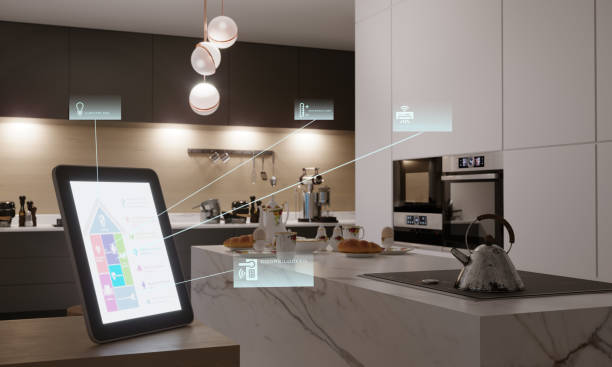
Smart and Connected Wall Light Panels
Modern panels can integrate with smart lighting systems, allowing:
- Dimming
- Color temperature adjustment
- Scene control
- Remote operation
Smart panels support energy management and user customization.
Sustainability and Environmental Impact
Wall light panels contribute to sustainable design through:
- Reduced energy consumption
- Long service life
- Lower material waste
- Compatibility with green building standards
Sustainable lighting is becoming a priority in both residential and commercial projects.
Common Mistakes to Avoid
- Choosing panels that are too bright or too dim
- Incorrect placement causing glare
- Mixing color temperatures unintentionally
- Ignoring wall proportions
- Poor installation planning
Thoughtful design prevents these issues.
Maintenance and Care
Wall light panels require minimal maintenance:
- Occasional surface cleaning
- Checking electrical connections
- Updating controls or drivers if needed
Quality panels maintain consistent performance over time.
Future Trends in Wall Light Panels
The future of wall light panels includes:
- Ultra-thin and flexible panels
- Improved color rendering
- Integrated acoustic and lighting solutions
- Human-centric lighting systems
- Increased use of modular and artistic designs
As technology advances, wall light panels will continue to blur the line between lighting and architecture.
Conclusion
Wall light panels represent a modern, efficient, and versatile lighting solution for a wide range of environments. Their slim design, uniform illumination, and adaptability make them suitable for homes, offices, commercial spaces, and public venues. Beyond functionality, wall light panels contribute to visual comfort, sustainability, and contemporary aesthetics.
As lighting design continues to evolve, wall light panels are set to remain a key element in creating well-lit, balanced, and visually engaging spaces.


























Sign in to leave a comment.