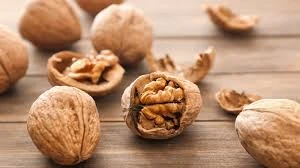

Few nuts can compare to walnuts for their distinctive flavor, texture, and high nutritious content. Walnuts, sometimes called "nature's brain food," have become more than just a snack; they are now regarded as a gourmet cuisine and a rich source of vital nutrients. Come along as we delve into the complex world of walnuts, learning about their origins, uses in cooking, and numerous health benefits.
The Walnut Odyssey: An Elegant and Nutritious History
The history of civilizations has seen walnuts adorn tables; they date back to ancient Persia. Celebrated for their majestic look and hearty taste, walnuts represented intelligence and fertility in many cultures. We learn about the fascinating past that has molded walnuts into a dietary and culinary icon as we set off on our walnut journey.
Walnuts' Nutritious Wonders: Feeding the Body and Mind
Omega-3 Fatty Acids: Your Best Friend in the Brain
The walnut's high content of omega-3 fatty acids is what makes it such a nutritional powerhouse. Alpha-linolenic acid (ALA), one of these important lipids, is needed for maintaining brain function. These fatty acids can be obtained from plants by eating walnuts, which may improve cognitive performance and lower the risk of neurodegenerative illnesses.
Rich in Antioxidants: Preventing Oxidative Stress in Cells
Antioxidants, which counteract free radicals in the body, are abundant in walnuts. Walnuts' strong antioxidant content helps shield cells from oxidative stress, which is connected to aging and a number of chronic illnesses. Including walnuts in your diet turns them into a tasty way to promote the health of your cells in general.
Plant Powered Protein: An Invigorating Enhancement
Although walnuts don't provide as much protein as foods derived from animals, they nonetheless provide a significant plant-based protein boost. Walnuts are a nutrient-rich substitute for meat for vegetarians and vegans, and protein is necessary for maintaining muscle mass.
Fiber Feast: Encouraging Healthy Digestive System
Rich in dietary fiber, walnuts play a major role in supporting digestive health. Fiber promotes a healthy gut microbiota, facilitates regular bowel movements, and increases feelings of fullness. You can improve digestive health in a tasty and fulfilling way by adding walnuts to your meals.
Minerals and Vitamins: An Orchestra of Nutrients
A nutrient-dense food, walnuts include a variety of vitamins and minerals. Walnuts add to a holistic approach to nutrition by providing necessary minerals for metabolism and vitamins E and manganese, which improve skin health. Including these nuts in your diet will guarantee a varied intake of essential elements.
Gourmet Style: From Salty to Sweet
Walnuts are renowned for their culinary diversity in addition to their nutritious value. Walnuts enrich any recipe with their distinct flavor and delightful crunch, which they bring to savory dishes as well as delicious desserts.
Pasta with Walnut Pesto: A Harmony of Flavors
Add some earthy deliciousness to your pasta meals with walnut pesto. Toasted walnuts, fresh basil, and Parmesan cheese combine to make a pesto that enhances the nutritious value of your dish while simultaneously tantalizing the palate.
Sweet and Savory Treat: Candied Walnut Salad
Add candied walnuts to your salads to make them into gourmet masterpieces. A wonderful crunch is added to lush greens by the sweet and salty mix of caramelized walnuts, making this salad feel as luxurious as it does refreshing.
A Nutmeg-Based Take on Seafood with Walnut-Crusted Salmon
A walnut-crusted salmon that blends the crunch of roasted walnuts with the richness of omega-3 fatty acids is sure to impress your dinner guests. This dish is not only delicious but also good for your heart and general well-being.
Managing Nut Allergies: An Important Aspect of Any Diet
Despite the many health advantages of walnuts, it's critical to manage the high incidence of nut allergies. For similar nutritional benefits, those with nut allergies should proceed with caution and, if needed, look into substitutes like sunflower or pumpkin seeds.
Walnut farming and sustainability: a conscientious harvest
The increasing demand for walnuts has led to a greater emphasis on sustainable growing methods. Sustainable walnut farming reduces its negative effects on the environment while simultaneously guaranteeing a plentiful crop. Encouraging companies that follow sustainable and ethical procedures guarantees that walnuts' nutritional advantages come with a good environmental impact.
In conclusion, Unlocking the Nutritious Potential of Walnuts
In summary, walnuts are a nutritional treasure trove in addition to a culinary delight. Because of their classic beauty and contemporary adaptability, walnuts have earned a spot as a popular ingredient in many different cuisines across the globe. Breaking open the shells and tasting the rich, creamy kernels is more than just enjoying a tasty snack; you're embracing a nutritional powerhouse that supports the body and the brain. When you add walnuts to your food—as a salad dressing, a crunchy pasta sauce, or a healthy boost to desserts—remember that these nuts are more than just an ingredient; they're a whole-food approach to health. Let's celebrate the classic allure and nutritional expertise of walnuts, which will enrich your cooking endeavors and help you on your path to a happier, healthier existence.
FAQs: Knowledge on Walnuts for Nut Lover
Can walnuts aid with controlling weight?
Indeed, adding walnuts to a well-balanced diet can help with weight management. Walnuts' healthy fats, protein, and fiber all work together to make you feel fuller and help you limit how much you eat.
Are walnuts still healthful when they're roasted?
Heat-sensitive nutrients may be slightly reduced during roasting,however this effect is negligible overall. Walnuts that have been roasted are still a tasty and healthful snack choice.
How can walnuts help maintain healthy skin?
Vitamin E, an antioxidant found in walnuts, promotes skin health by warding off oxidative damage. Consuming walnuts improves the general health of your skin.
Can someone who is allergic to nuts eat walnut oil?
Walnut oil may still contain allergens, therefore anyone with nut allergies should use caution when using it. When adding walnut oil to the diet, it is best to speak with a healthcare provider.
What amount of walnuts should one eat each day to maintain good health?
One to 1.5 ounces (28 to 42 grams) of walnuts per day, as part of a balanced diet, is the recommended amount for maximum health.





























Sign in to leave a comment.