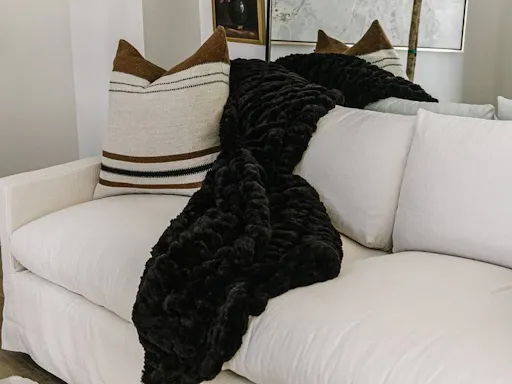

Warm blankets are essential home comfort items designed to provide insulation, softness, and relaxation during cooler temperatures or restful moments. Modern warm blankets are not only functional but also designed for aesthetic appeal and everyday usability. High-quality options, such as warm blankets made from plush microfiber fabrics, are engineered to trap body heat while remaining breathable, ensuring comfort without overheating. Brands like Minky Designs highlight how advanced fabric engineering can deliver both luxury and everyday practicality in blanket design.
Understanding Comfort in Warm Blankets
Comfort in warm blankets is influenced by three key factors: softness, warmth retention, and weight balance. Softness enhances the tactile experience, making the blanket feel gentle against the skin, while warmth retention determines how effectively the fabric traps body heat. Lightweight warmth is also important, as overly heavy blankets can reduce comfort during long use.
Materials such as plush microfiber and minky fabric are widely used because they offer a smooth, velvety texture that feels cozy instantly. These fabrics are designed with dense fibers that create a soft surface while maintaining insulation efficiency.
Comfort is also psychological. Studies on textiles and sleep environments show that soft, warm coverings can promote relaxation and improve sleep quality by reducing stress responses and creating a sense of security.
Fabric Types Used in Warm Blankets
The fabric of warm blankets plays the most important role in determining performance, durability, and comfort. Different materials offer distinct benefits depending on usage needs.
Minky fabric is one of the most popular modern choices. It is made from fine polyester microfibers woven into a dense, plush structure that mimics the softness of natural fur. This structure allows it to feel extremely soft while effectively trapping warmth.
Sherpa fabric is another common option, known for its wool-like texture that provides high insulation, making it ideal for colder climates. Fleece is lightweight yet warm, making it suitable for everyday use and layering. Wool remains a traditional choice due to its natural ability to regulate temperature and retain heat effectively.
Each fabric differs in breathability, insulation, and maintenance requirements, allowing users to choose based on climate and personal preference.
Benefits of Using Warm Blankets
Warm blankets provide both physical comfort and functional benefits. One of the primary advantages is temperature regulation, as they help retain body heat during cold weather, reducing the need for excessive heating. This can also contribute to energy savings in homes.
Another key benefit is improved sleep quality. A comfortable sleeping environment supported by a warm, soft blanket can help the body relax more easily, allowing deeper and more restful sleep. Weighted and plush blankets, in particular, are known to create a calming effect that reduces anxiety and supports relaxation routines.
Warm blankets also contribute to emotional well-being. The sensation of being wrapped in a soft, warm fabric can create a feeling of safety and comfort, which is especially beneficial during stress or fatigue.
Everyday Uses and Practical Value
Warm blankets are versatile and can be used in multiple settings. They are commonly used on beds for nighttime warmth, on sofas for relaxation, or as decorative throws that enhance home interiors. Many households also use them for travel, outdoor activities, or seasonal layering.
Modern designs, including warm blankets made from advanced microfiber fabrics, are designed to be durable, easy to maintain, and resistant to fading or shedding, making them suitable for long-term everyday use.
Conclusion
Warm blankets combine comfort, fabric innovation, and practical benefits to enhance daily living experiences. From plush microfiber to sherpa and fleece materials, each fabric offers unique advantages suited to different lifestyles and climates. Also, adding luxury blankets to this setting can go beyond physical warmth. They contribute to better sleep and emotional comfort, making them an essential household item and giving your home an aesthetic appeal. As home comfort trends continue to evolve, many users now explore these premium options to enhance both style and relaxation.




















Sign in to leave a comment.