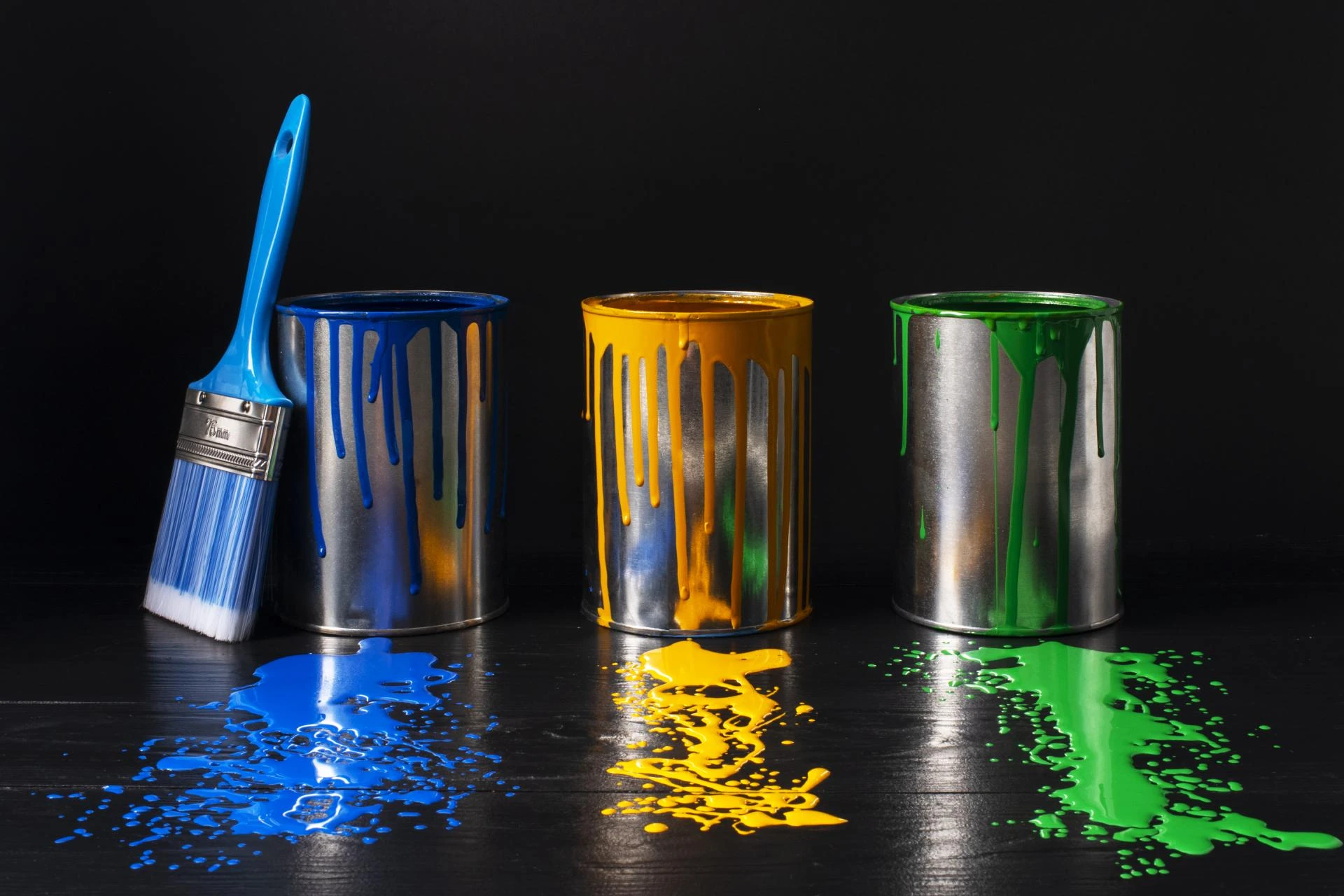
Painting your walls is an investment—but keeping them looking fresh is where the real value lies. With a few simple habits, you can protect your walls from stains, scuffs and fading, saving time and money in the long run. Whether you’ve just redecorated or want to keep your current walls looking new, this guide offers practical tips that really work.
1. Choose the Right Paint Finish
Not all paints are equal when it comes to cleaning. For high-traffic areas like kitchens, hallways and children’s rooms, go for a washable paint with a satin or semi-gloss finish. These are easier to wipe clean without damaging the colour. Matt finishes look great but show marks easily and are harder to maintain.
2. Prepare Surfaces Thoroughly Before Painting
Good maintenance starts before the paint even goes on. Always clean walls to remove grease and dust. Fill in cracks, sand the surface and use a primer to help the paint stick properly. If you skip prep work, the paint may peel or develop uneven patches later.
3. Dust and Wipe Regularly
Make it a habit to dust your walls every couple of weeks. A dry microfibre cloth or soft mop works well, especially for reaching corners or behind furniture. For kitchen walls or areas near switches and doorways, a damp cloth and mild soap are usually enough to remove marks. Just be gentle—scrubbing too hard can wear down the finish.
4. Clean Stains Straight Away
Don’t let stains sit. If your child’s felt pen gets on the wall or food splashes from cooking, wipe it off as soon as possible. The longer a mark stays, the harder it is to remove. Always blot instead of rubbing—this stops the paint from smudging or fading.
5. Reduce Physical Wear
Walls get knocked about more than we realise. Chairs scraping back, bags brushing past, or children playing indoors can all leave marks. A few easy fixes:
- Stick felt pads to furniture that touches the wall
- Add a narrow table or rail in busy hallways
- Ask kids to keep hands off the walls in play areas
Little habits like these go a long way in preventing damage.
6. Protect from Sunlight and Damp
Direct sunlight fades paint over time, especially in bright rooms with large windows. Curtains, blinds or window film can help block UV rays. In bathrooms or kitchens, use extractor fans to manage moisture and avoid peeling or mould.
7. Keep Touch-Up Paint Handy
Once your room is painted, store a small pot of leftover paint in a cool, dry place. Label it with the colour and brand. If a chip or scratch appears, a quick dab with a small brush will cover it without needing a full repaint.
8. Watch for Sheen Patches
If you notice the paint becoming patchy or dull in certain spots, it could be from over-cleaning or poor original application. Sand lightly, clean the area, and repaint it evenly. For large areas, mixing all cans of paint together before use—called "boxing"—helps keep the colour and finish consistent.
9. Use Cleaners and Thinners Wisely
For occasional deep cleaning or before repainting, some professionals suggest acrylic paint thinners to break down grease or stubborn stains. These should be used with care. Always test on a small patch first and ensure there’s good ventilation.
10. Use the Right Tools
When painting or touching up, always use good-quality brushes or rollers. Cheap tools leave streaks and can make cleaning harder later on. A smooth, even finish will naturally resist marks better.
Quick Wins for Busy Homeowners:
- Wipe around light switches once a week
- Dust walls behind beds and sofas monthly
- Keep a microfibre cloth near your kitchen for easy clean-up
Conclusion
Walls don’t have to lose their charm over time. A little regular care—wiping gently, avoiding knocks, protecting from sunlight and acting fast on stains—can keep your space feeling freshly painted for years. These habits won’t take much time, but they’ll make a big difference to how your home looks and feels every day.
#washablepaint
#acrylicpaintthinners




























Sign in to leave a comment.