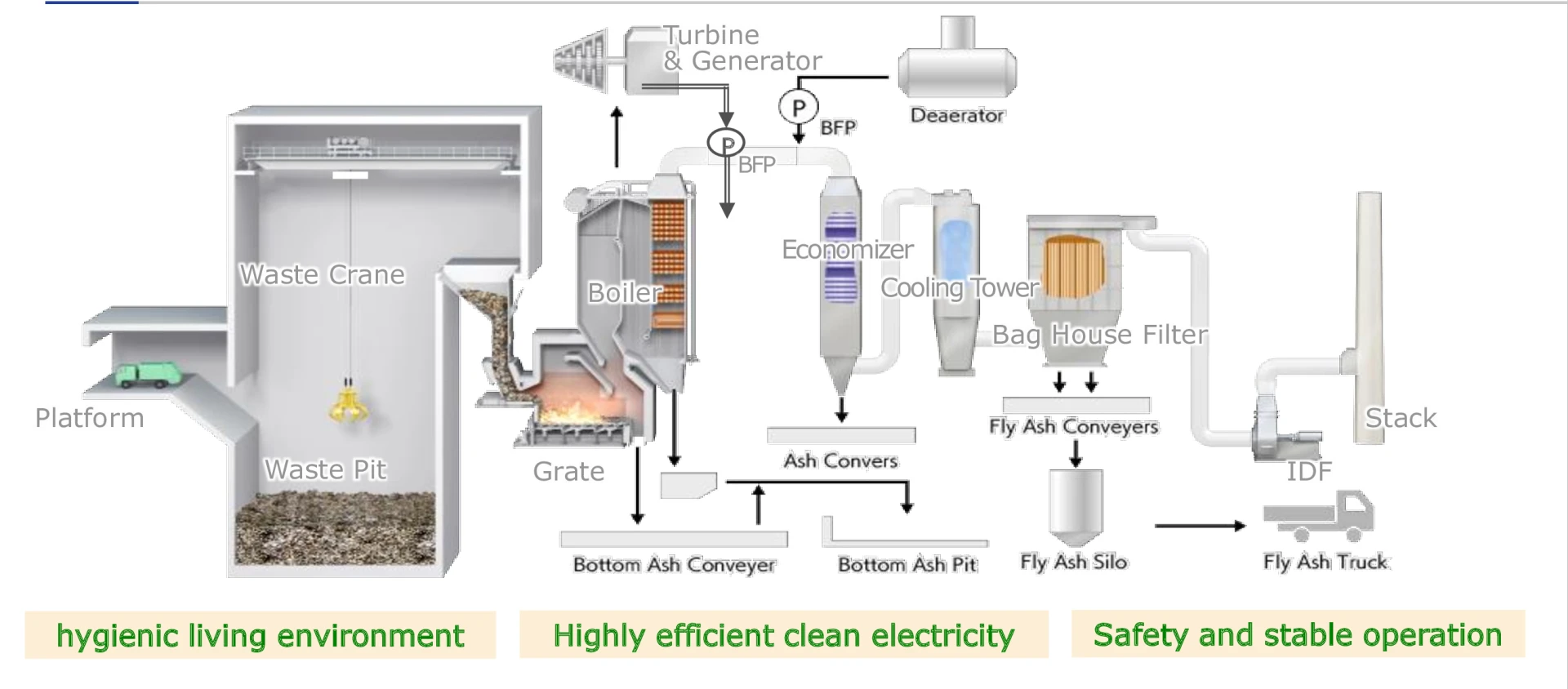

In an era where environmental sustainability and resource conservation are paramount, waste to energy companies are becoming crucial in addressing two major challenges—waste management and energy generation. These companies are transforming non-recyclable waste into usable energy, reducing the load on landfills and contributing to a circular economy. One of the leaders in this field is JFE Engineering India, which plays a pivotal role in deploying innovative and sustainable waste-to-energy solutions across the country.
Why Waste to Energy Matters Today
- Growing Waste Crisis
- India generates over 150,000 tonnes of municipal solid waste daily. A large percentage of this waste ends up in landfills, creating significant environmental and health hazards. Waste to energy (WTE) systems help in diverting this waste to cleaner, productive ends.
- Energy Demand and Sustainability
- India’s energy demand is rapidly increasing. WTE plants provide an alternative, sustainable source of energy by converting organic and inorganic waste into electricity and heat. This not only supports national energy goals but also reduces dependence on fossil fuels.
- Environmental Benefits
- WTE solutions drastically cut down greenhouse gas emissions from landfills. Technologies like incineration, gasification, and anaerobic digestion help neutralize toxic waste while generating power.
- Economic and Social Impact
- These systems create new jobs in the green energy sector, support local economies, and improve urban sanitation standards. Companies like JFE Engineering India are instrumental in implementing large-scale projects that benefit both public and private sectors.
Key Technologies Used by Waste to Energy Companies
- Incineration: Burns waste at high temperatures to produce steam, which is then converted into electricity.
- Gasification: Breaks down organic materials to produce syngas, which can be used for electricity or chemical production.
- Anaerobic Digestion: Uses microorganisms to decompose organic waste in the absence of oxygen, generating biogas and digestate.
Government Support and Policy Initiatives
Government programs such as “Swachh Bharat Mission” and “Waste to Energy Programme” under MNRE (Ministry of New and Renewable Energy) are providing essential financial and regulatory support to waste to energy companies. This has encouraged more private players to invest in WTE technologies and expand their reach across Indian cities.
Challenges Faced in Implementation
- High Initial Capital: Setting up WTE plants requires significant investment.
- Technology Adaptation: Adapting global technology to suit Indian waste composition remains a challenge.
- Public Awareness: Lack of awareness and improper waste segregation reduces operational efficiency.
Conclusion
As India advances towards a more sustainable future, the importance of waste to energy companies cannot be overstated. With rising urbanization and waste generation, these companies offer a long-term, eco-friendly solution to two pressing problems.
JFE Engineering India has been at the forefront of introducing advanced WTE systems, aligning with global environmental standards and supporting India’s mission to become a cleaner, greener nation. Through continuous innovation and strong public-private collaboration, they are helping to redefine how India manages its waste and generates clean energy.


























Sign in to leave a comment.