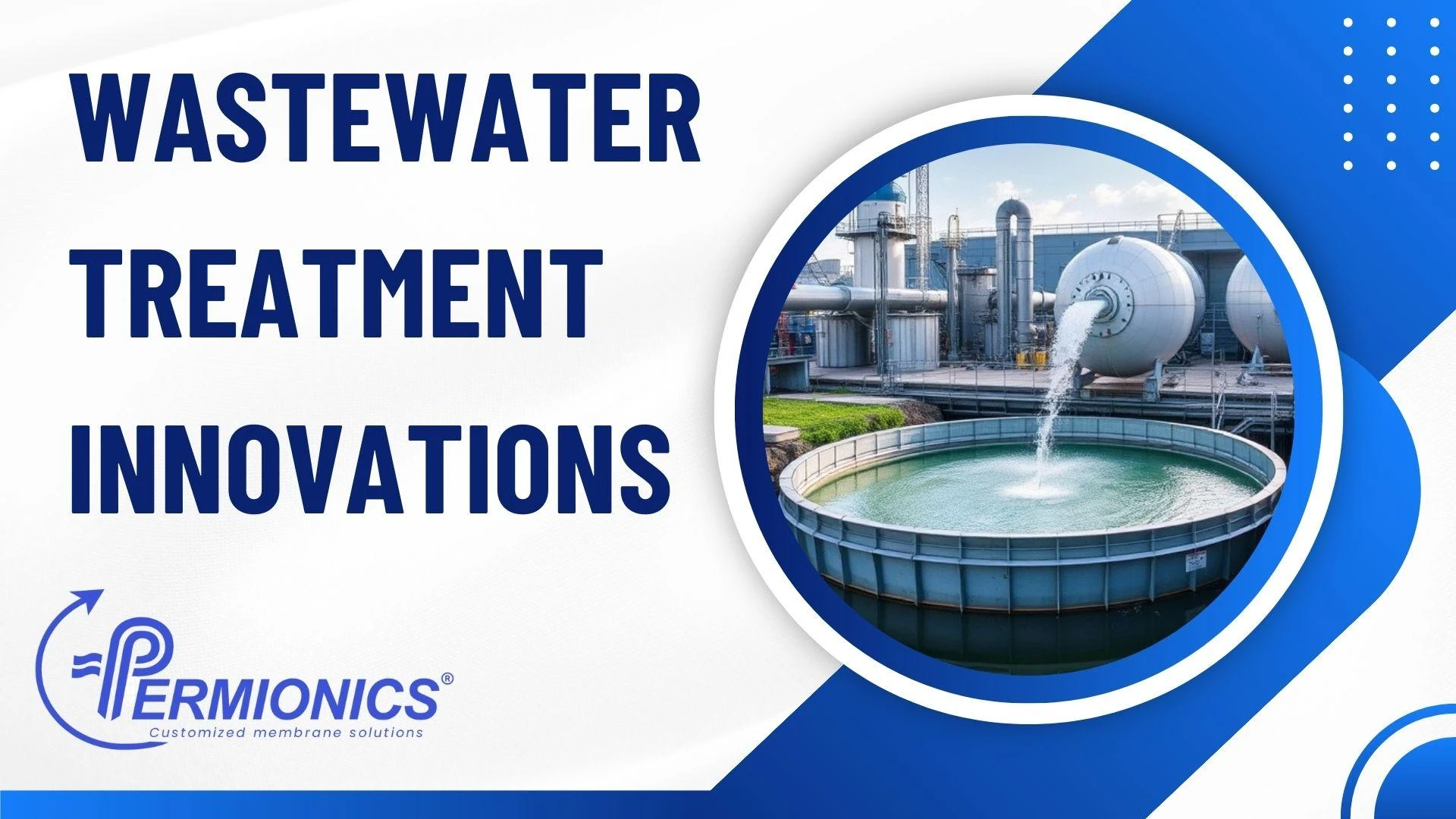

In an era of rapid urbanization and growing environmental concerns, managing water resources has become a crucial challenge for cities around the world. The rising demand for clean water, coupled with the pressures of climate change and increasing population, has created an urgent need for smarter water management. Fortunately, recent Wastewater Treatment Innovations are transforming how we approach wastewater and helping cities navigate these challenges more effectively.
In this blog, we'll explore how these innovations are not only improving water treatment but also reshaping the way we think about water management in urban areas.
1. Advanced Membrane Technology: Unlocking the Potential of Recycled Water
One of the most exciting Wastewater Treatment Innovations in recent years is the development of advanced membrane filtration technology. This cutting-edge technology allows cities to turn wastewater into clean, reusable water. By using processes like reverse osmosis and nanofiltration, municipalities can treat wastewater to potable (drinkable) standards, helping to conserve precious freshwater resources.
This breakthrough is particularly valuable in areas facing water scarcity. Membrane technology makes it possible to recycle water efficiently, offering a sustainable solution to water shortages without sacrificing quality. Plus, it’s more energy-efficient than older systems, making it a win-win for both the environment and city budgets.
2. Biological Treatment: Let Nature Do the Work
Sometimes, the best solutions come from nature itself. Biological treatment processes, which harness the power of bacteria, algae, and fungi, are another exciting advancement in the world of Wastewater Treatment Innovations. These microorganisms break down organic pollutants in wastewater, cleaning it naturally without the need for harsh chemicals or excessive energy consumption.
Recent improvements in biological treatment methods, like biofilm reactors and moving bed biofilm reactors (MBBRs), have made the process even more efficient. These systems are compact and effective, making them perfect for cities with limited space or growing populations. With nature on our side, wastewater treatment has become more sustainable and less harmful to the environment.
3. Electrocoagulation: Harnessing Electricity for Cleaner Water
Imagine using electricity to clean water. That’s the idea behind electrocoagulation, an emerging Wastewater Treatment Innovation that uses electric currents to remove contaminants from wastewater. This process helps to remove heavy metals, oils, and other pollutants, making it an incredibly versatile treatment option.
What’s even better is that electrocoagulation requires minimal chemicals and is relatively low-maintenance, making it an attractive solution for decentralized wastewater treatment systems. It’s a step toward cleaner water with fewer resources and lower environmental impact—exactly what we need as we look for more sustainable treatment options.
4. Smart Sensors and IoT: Water Management in Real-Time
As technology becomes more embedded in our daily lives, it’s no surprise that it’s also playing a role in water management. Smart sensors and the Internet of Things (IoT) are changing the way wastewater treatment plants operate. These technologies allow operators to monitor water quality and treatment efficiency in real time, providing critical data to optimize systems and catch problems before they become major issues.
With smart sensors in place, cities can shift from reactive to proactive water management. Predictive maintenance becomes possible, which means less downtime and longer-lasting treatment plants. Real-time data also empowers cities to use water more efficiently and sustainably, ensuring that resources aren’t wasted.
5. Energy-Positive Wastewater Treatment: Turning Waste into Power
Wastewater treatment traditionally consumes a lot of energy, but thanks to innovations like anaerobic digesters and microturbines, some wastewater plants are now becoming energy-positive. This means they generate more energy than they use.
Through the process of breaking down organic material in wastewater, these systems produce biogas, which can be converted into renewable energy. Not only does this reduce the plant’s reliance on external power sources, but it also helps cut down on carbon emissions. Energy-positive treatment plants are a perfect example of how Wastewater Treatment Innovations are making the treatment process more sustainable and helping to mitigate climate change.
6. Decentralized Treatment Systems: Bringing Solutions to Local Communities
As cities become more crowded and infrastructure ages, decentralized wastewater treatment systems are gaining attention. These systems treat wastewater closer to where it’s generated, rather than relying on large, centralized treatment plants. They’re especially useful in areas where space is limited or where existing infrastructure can’t keep up with the growing demand.
Decentralized systems are also more resilient to extreme weather events, such as floods or storms. And by focusing on local treatment, they offer a more tailored approach to water management, allowing cities to better address the specific needs of each neighborhood or community.
Conclusion: A Smarter, Greener Future for Urban Water Management
The future of urban water management is bright, thanks to Wastewater Treatment Innovations. These breakthroughs in technology and sustainability are giving cities the tools they need to handle growing water demands, improve water quality, and reduce environmental impact. From membrane filtration to energy-positive systems, these innovations are not just improving how we treat wastewater—they’re reshaping the entire concept of water management.
By embracing these technologies, cities can move toward a future where water is managed smarter, more efficiently, and in a way that benefits both people and the planet. As these Wastewater Treatment Innovations continue to evolve, there’s no limit to the positive changes they can bring to urban water management, ensuring a healthier, more sustainable future for all.
#WastewaterTreatment #WaterManagement #SustainableWater #WaterInnovation








Sign in to leave a comment.