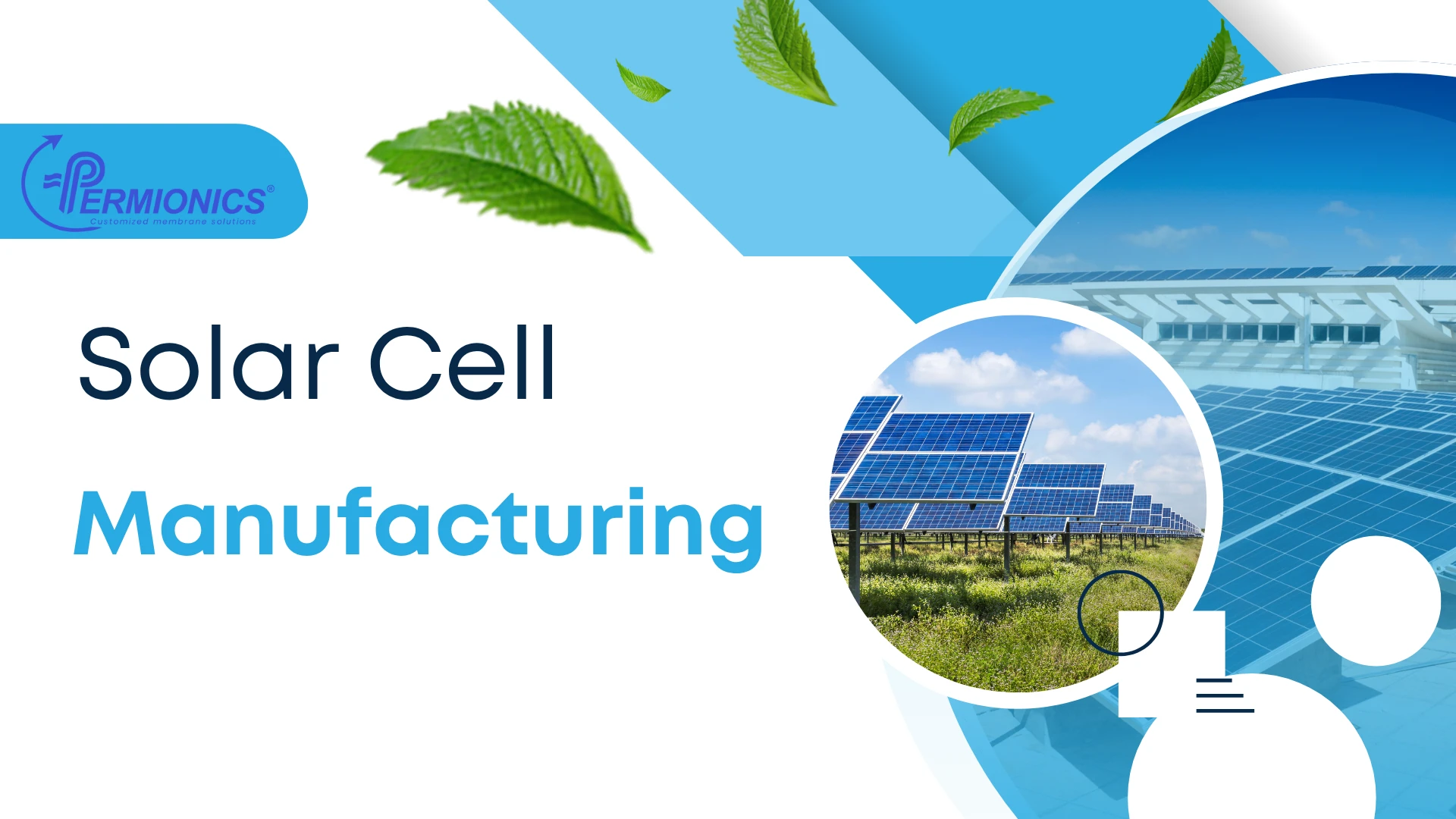

Investing in solar energy is no longer just a sustainability move — it's a serious business decision. Whether you're funding a utility-scale solar plant or exploring vertical integration with solar cell manufacturing, understanding the financial structure of your investment is critical. The two main financial categories to consider are CAPEX (Capital Expenditure) and OPEX (Operational Expenditure). Let’s break them down and explore what they mean for solar investors.
What is CAPEX in a Solar Plant?
CAPEX refers to the one-time, upfront costs involved in setting up a solar power project. These are usually incurred during the construction and commissioning phases. CAPEX includes:
- Land acquisition and site preparation
- Procurement of solar modules (often the largest single cost)
- Mounting structures and trackers
- Inverters and transformers
- Cabling and grid connection
- Installation and EPC (Engineering, Procurement & Construction) services
- Permits, insurance, and legal fees
If a company chooses to bring part of the supply chain in-house — like setting up its own solar cell manufacturing unit — that also falls under CAPEX. This approach can increase upfront costs but may reduce long-term module procurement costs and supply chain risks.
Typical CAPEX split in a solar plant:
- Solar modules: 40–50%
- Inverters: 7–10%
- Balance of systems (BoS): 20–25%
- EPC and labor: 10–15%
What is OPEX in a Solar Plant?
OPEX refers to the ongoing costs required to keep the plant running efficiently throughout its lifespan, which is typically 20–25 years. These include:
- Operations & maintenance (O&M)
- Cleaning and site management
- Remote monitoring systems
- Inverter maintenance or replacement
- Insurance and regulatory compliance
- Staff salaries and security
Though OPEX is significantly lower than CAPEX, it plays a vital role in determining the net return over the project’s lifecycle. Poor maintenance or reactive service models can hurt energy yield and result in long-term losses.
Why the CAPEX vs. OPEX Balance Matters
A common misconception is that lower CAPEX always leads to better returns. In reality, the cheapest components may lead to higher OPEX due to frequent breakdowns, poor efficiency, or shorter warranties. The goal for any investor should be optimized cost, not just reduced cost.
⚖️ A balanced investment strategy may include:
- Spending more on high-efficiency panels and inverters to reduce future maintenance
- Using predictive analytics and smart monitoring to reduce O&M costs
- Exploring in-house solar cell manufacturing to gain control over cost and quality
The Role of Technology in Reducing Both
Modern advancements are helping reduce both CAPEX and OPEX:
- Bifacial modules and PERC cells deliver more output per square meter, improving ROI.
- AI-based monitoring systems reduce labor costs by enabling predictive maintenance.
- Modular inverter systems minimize downtime and are easier to replace.
- Robotic cleaning solutions reduce O&M manpower and water use.
Investor Takeaways
Here’s what solar plant investors should consider when evaluating CAPEX and OPEX:
- Total lifecycle cost is more important than upfront pricing.
- Evaluate technology partners and EPCs based on long-term performance, not just lowest bid.
- Plan for module degradation, inverter replacements, and unexpected maintenance.
- If investing in solar cell manufacturing, calculate its impact on both CAPEX and future supply chain resilience.
Conclusion
Understanding CAPEX and OPEX is essential for solar plant investors who want predictable returns and long-term asset reliability. Investing wisely in both areas ensures the solar plant not only performs well today but continues to deliver clean, affordable energy for decades. Whether you’re financing a new project or expanding into solar cell manufacturing, a balanced view of upfront and ongoing costs is the smartest way forward.























Sign in to leave a comment.