

If you’re running a sugar mill, you already know that managing wastewater is one of the most critical — and complicated — parts of the operation. With water becoming scarcer and regulations getting tighter, more mills are exploring alternatives to outdated treatment systems.
One solution that’s getting a lot of attention? Membrane technology.
But here’s the catch: not all membrane systems are the same, and choosing the right one depends on more than just plugging in a high-tech unit. This guide walks you through the key things to consider before investing in a sugar membrane solution that actually works for your plant.
1. Know What’s in Your Effluent
Before jumping into any technology, take a close look at what’s coming out of your mill. Sugar processing typically produces wastewater that’s high in COD, BOD, solids, and sometimes even color or salts — especially when it comes from processes like molasses fermentation or evaporator condensate.
Getting a proper water analysis done will help you figure out whether you need a basic ultrafiltration unit, or something more advanced like reverse osmosis or nanofiltration.
2. Be Clear About Your End Goal
Are you just trying to clean up your discharge enough to meet norms? Or are you aiming to reuse that water within your plant — maybe in cooling towers or for washing floors?
Your treatment goal changes everything. For example:
If you’re dealing with solid removal, ultrafiltration might be enough.
For color and salt reduction, nanofiltration or RO might be necessary.
If you’re aiming for zero liquid discharge (ZLD), you’ll likely need a multi-stage membrane system.
3. Check How Much Space You Have
A lot of older sugar mills weren’t built with extra space in mind. If you’re tight on room, membrane systems actually work in your favor — they take up much less space compared to conventional effluent treatment plants.
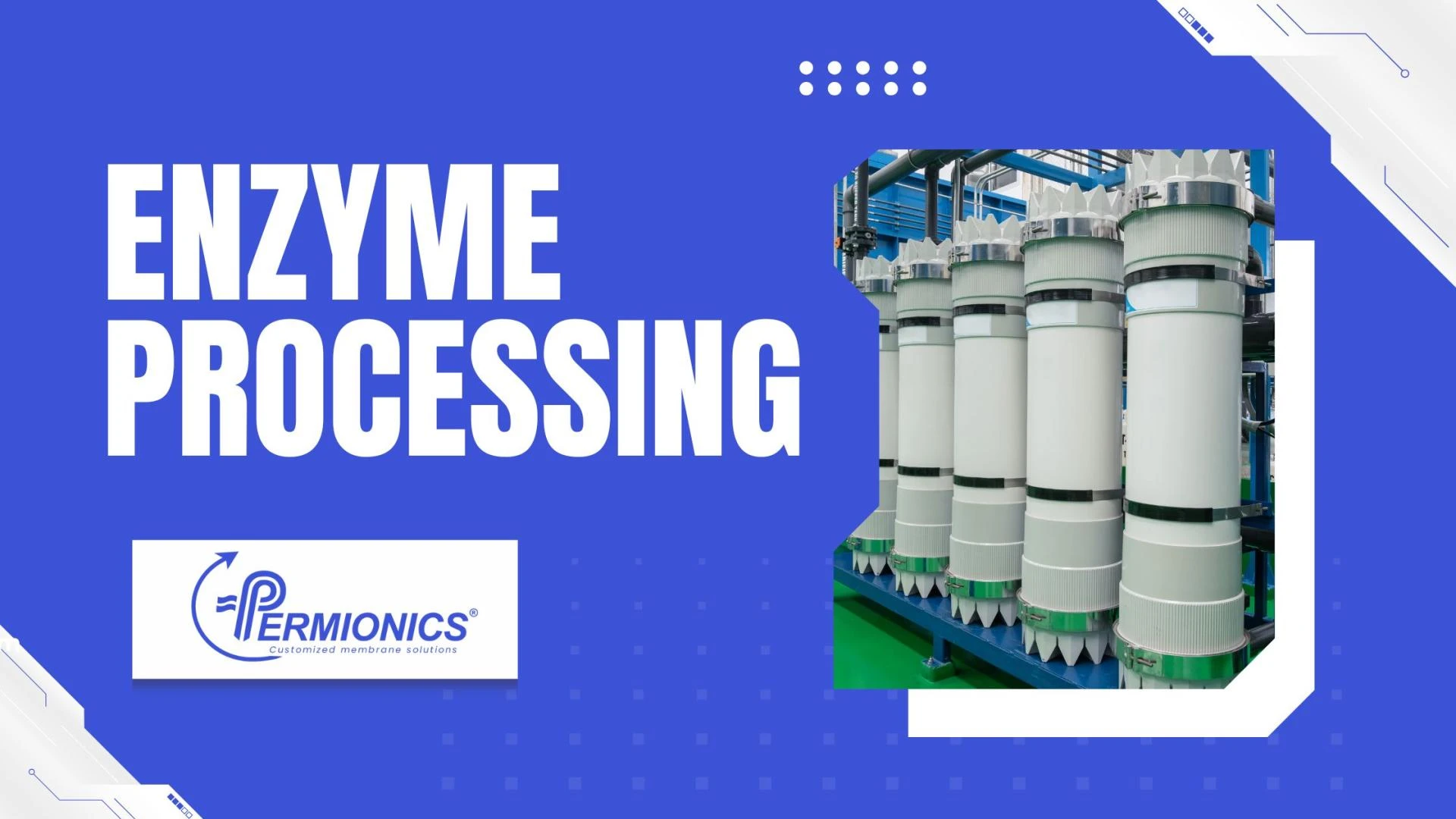
Some vendors, like Permionics, even offer compact or containerized systems that can be slotted into existing spaces without major modifications.
4. Watch Out for Fouling and Scaling
One of the biggest concerns with membranes is fouling — that’s when particles and organic matter clog the membranes over time. Sugar mill effluent can be particularly aggressive, depending on your source streams.
That’s why it’s important to choose a system designed for high-fouling loads, and to include proper pre-treatment — like ultrafiltration or chemical dosing — to keep your main membranes protected.
5. Think Beyond Just Capital Cost
Yes, membrane systems can cost more upfront than traditional treatment. But over time, they usually pay for themselves. Here’s why:
Less sludge to deal with
Lower chemical consumption
Fewer people needed to run them
Cleaner water that can be reused, cutting down on freshwater costs
A well-designed sugar membrane setup can be far more cost-effective in the long run, especially if water reuse is part of your goal.
Real-World Example: Making It Work in a Cooperative Sugar Mill
Let’s look at a real example. A cooperative sugar mill in Maharashtra was facing issues with its old ETP. During the peak season, the plant couldn’t handle the high load, and the treated water wasn’t good enough for reuse. On top of that, they were getting regular warnings from the pollution control board.
They brought in Permionics to help.
What was done:
Installed ultrafiltration to remove solids and bacteria
Added a multi-stage reverse osmosis system to recover high-quality water
Designed the plant to fit into their existing footprint
What changed:
The mill recovered over 90% of its water
Reused it for non-critical processes like cooling and cleaning
Reduced their chemical and sludge disposal costs
Achieved full compliance with discharge norms — no more warnings
It wasn’t a plug-and-play fix. It was a tailored solution — and it worked.
Final Takeaway
Choosing the right membrane system isn’t just about ticking a regulatory box. It’s about improving how your mill runs, reducing your environmental footprint, and using water more responsibly.
With the right partner and a good understanding of your plant’s needs, a sugar membrane system can be one of the smartest upgrades you make.
If your mill is exploring this route, take your time, ask the right questions, and look for a system that’s designed for your specific challenges — not just a one-size-fits-all approach.


























Sign in to leave a comment.