

Keeping electricity costs under control is a priority for every business that relies on cooling equipment. Whether you manage a manufacturing plant, commercial building, hospital, hotel, or industrial facility, your water chiller is likely one of the largest consumers of electricity. Even a well-designed system can become less efficient over time if regular maintenance is overlooked.
The good news is that a few simple maintenance practices can make a noticeable difference in energy consumption. A well-maintained water chiller not only lowers electricity bills but also improves cooling performance, reduces unexpected breakdowns, and extends the equipment's lifespan.
Why Maintenance Matters
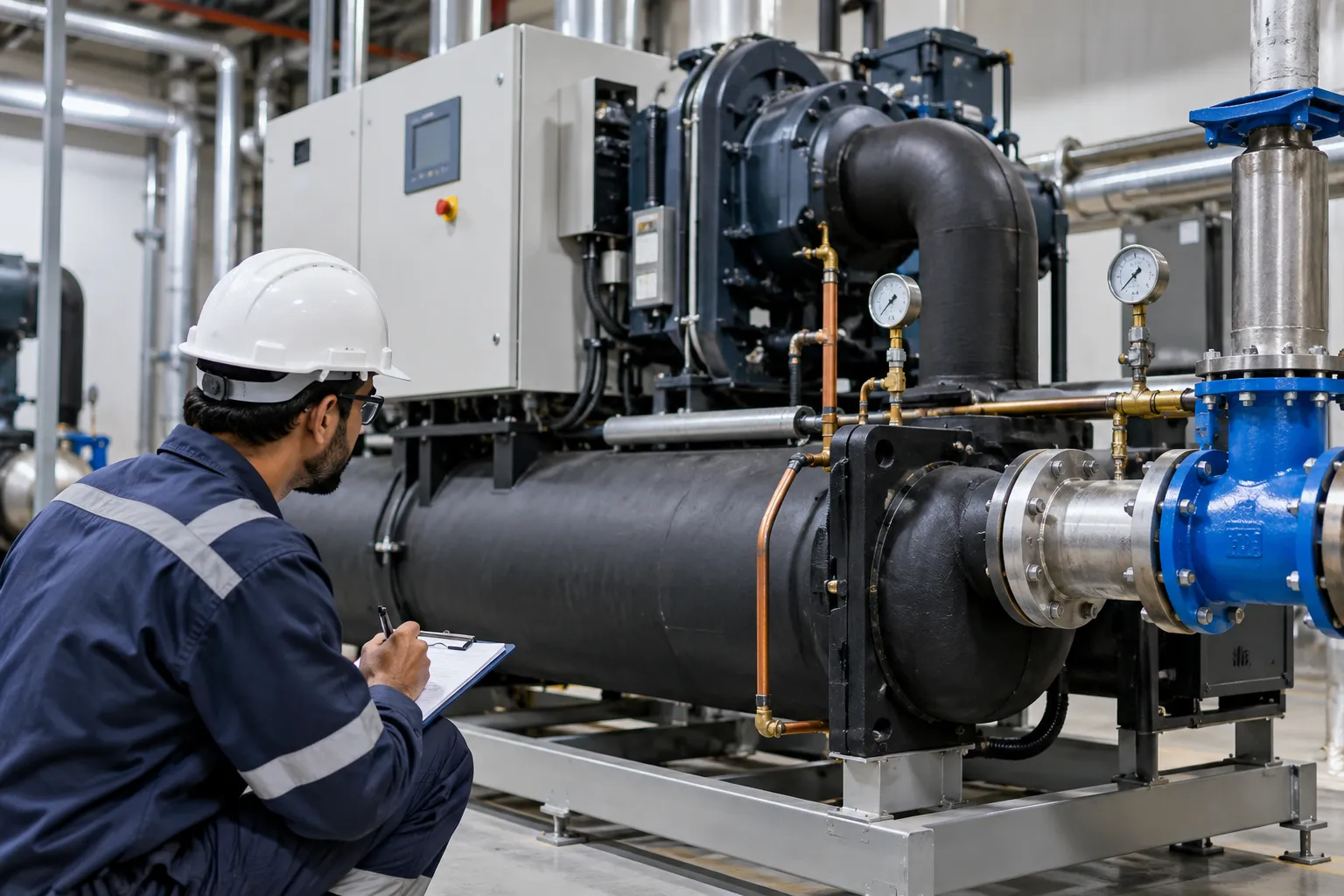
A water chiller works by removing heat from a process or building and transferring it elsewhere. As components become dirty or worn, the system must work harder to maintain the required temperature. This extra effort increases power consumption and puts additional stress on important parts such as compressors, pumps, and heat exchangers.
Routine maintenance keeps the system operating as efficiently as possible, helping businesses reduce operating costs throughout the year.
Clean Condenser and Evaporator Coils
Heat transfer is one of the most important functions of a water chiller. Dust, dirt, scale, and debris on condenser or evaporator surfaces reduce the system's ability to exchange heat efficiently.
Cleaning these components regularly allows the chiller to cool more effectively while using less electricity. Even a small layer of dirt can lead to a noticeable increase in energy usage.
Monitor Water Quality
Poor water quality can lead to mineral deposits, corrosion, and biological growth inside the system. Scale buildup acts as insulation, making heat transfer less effective and forcing the chiller to consume more energy.
Regular water treatment and testing help maintain proper flow, improve efficiency, and reduce maintenance costs over time.
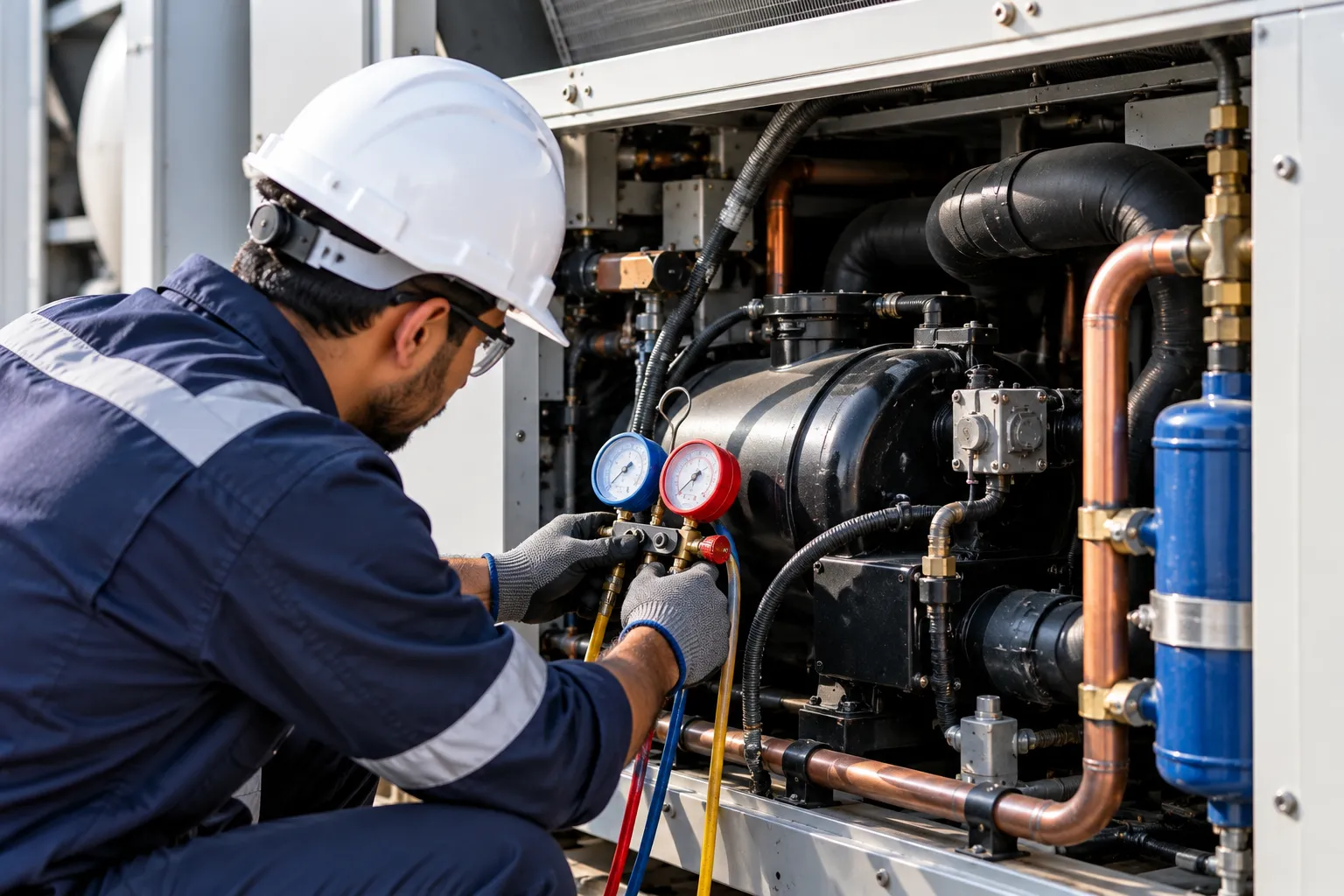
Inspect Refrigerant Levels
Incorrect refrigerant levels directly affect cooling performance. Low refrigerant can reduce efficiency, while excessive refrigerant may increase compressor pressure and energy consumption.
A qualified technician should check refrigerant levels during scheduled servicing and repair any leaks immediately.
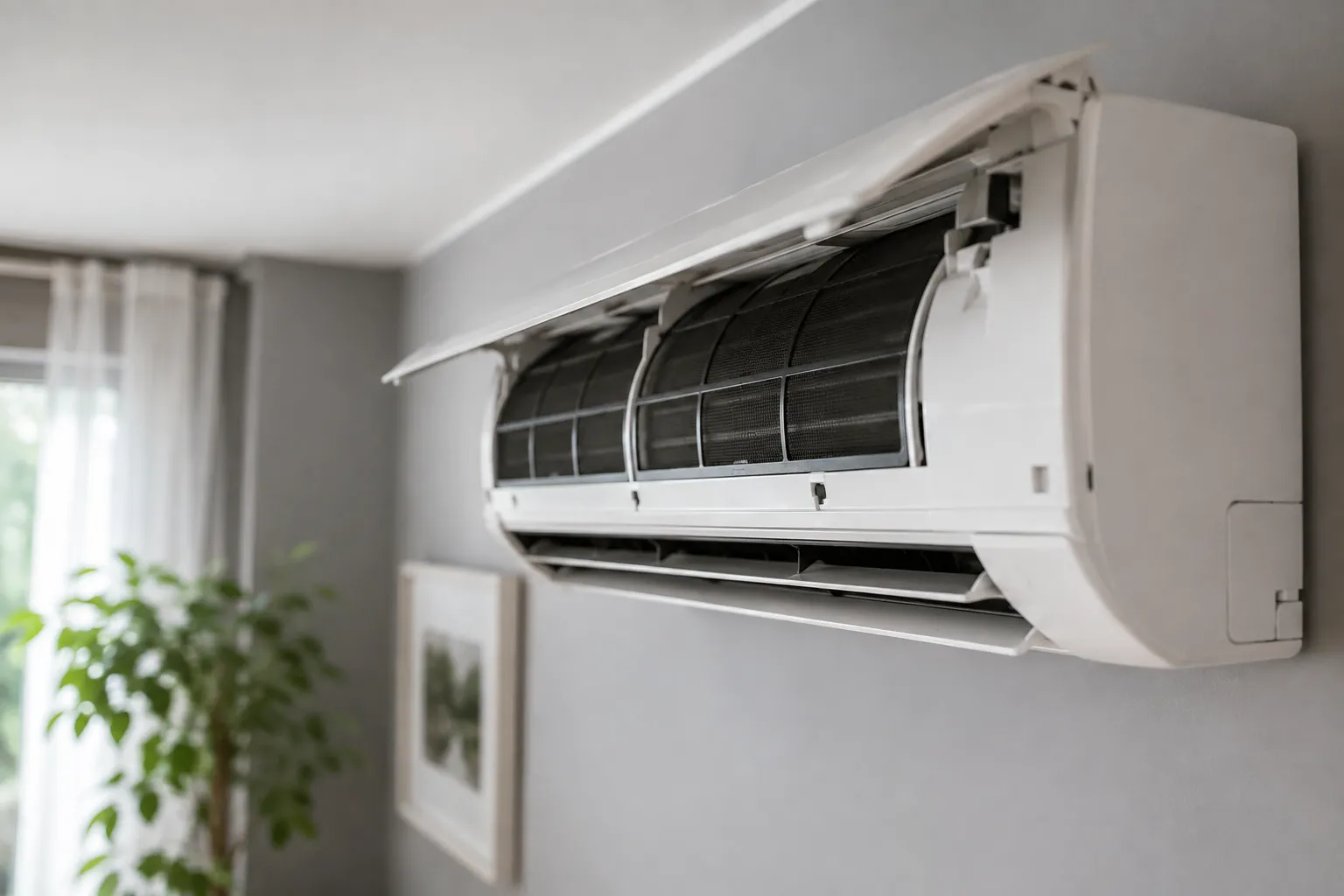
Keep Air Filters Clean
If your cooling system includes air handling equipment, clogged air filters can restrict airflow and increase the workload on the entire system.
Replacing or cleaning filters at recommended intervals helps maintain proper airflow, improves indoor comfort, and reduces electricity usage.
Check Pumps and Water Flow
Proper water circulation is essential for efficient cooling. Blocked strainers, worn pumps, or partially closed valves can reduce flow and force the system to work harder.
Regular inspections ensure water moves through the system at the correct rate, improving cooling performance and reducing unnecessary energy consumption.
Inspect Electrical Connections
Loose electrical connections create resistance, generate heat, and reduce equipment efficiency. They can also increase the risk of component failure.
Routine inspections help identify damaged wiring, loose terminals, or overheating electrical parts before they become expensive repairs.
Calibrate Temperature Controls
Incorrect temperature settings can cause unnecessary compressor operation. Setting the chilled water temperature lower than required often increases electricity consumption without providing additional benefits.
Review control settings regularly to ensure they match your actual cooling requirements.
Lubricate Moving Components
Motors, bearings, and other moving parts experience natural wear over time. Proper lubrication reduces friction and allows equipment to operate more efficiently.
Following the manufacturer's maintenance schedule helps prevent excessive energy losses caused by mechanical resistance.
Schedule Preventive Maintenance
Waiting until a problem occurs usually results in higher repair costs and increased electricity usage. Preventive maintenance identifies small issues before they develop into major failures.
A planned maintenance programme typically includes:
- Cleaning heat exchangers
- Checking refrigerant pressure
- Testing safety controls
- Inspecting compressors
- Verifying pump performance
- Examining electrical systems
- Monitoring system efficiency
These inspections help maintain consistent performance throughout the year.
Upgrade Ageing Components
Older equipment often consumes significantly more electricity than modern systems. If your chiller has been operating for many years, replacing worn components such as pumps, motors, or controls may improve efficiency without replacing the entire unit.
In some cases, investing in a newer energy-efficient water chiller provides long-term savings that outweigh the initial purchase cost.
Track Energy Performance
Monitoring electricity usage helps identify changes in system performance before they become serious problems.
Many modern chillers include monitoring features that record energy consumption, operating hours, and system performance. Reviewing this data regularly makes it easier to spot unusual increases in power usage and schedule maintenance at the right time.
Choose the Right Equipment
Efficient maintenance begins with selecting reliable equipment designed for your application. High-quality water chillers deliver dependable cooling, better energy efficiency, and lower operating costs when maintained correctly.
Final Thoughts
Reducing electricity bills does not always require major upgrades. Consistent maintenance plays a significant role in keeping a water chiller running efficiently. Cleaning heat exchangers, maintaining proper water quality, checking refrigerant levels, inspecting electrical components, and scheduling preventive servicing all contribute to lower energy consumption.
Businesses that invest in routine maintenance often experience fewer breakdowns, improved cooling performance, longer equipment life, and noticeable savings on monthly electricity bills. Taking care of your water chiller today helps protect both your equipment and your operating budget for years to come.













Sign in to leave a comment.