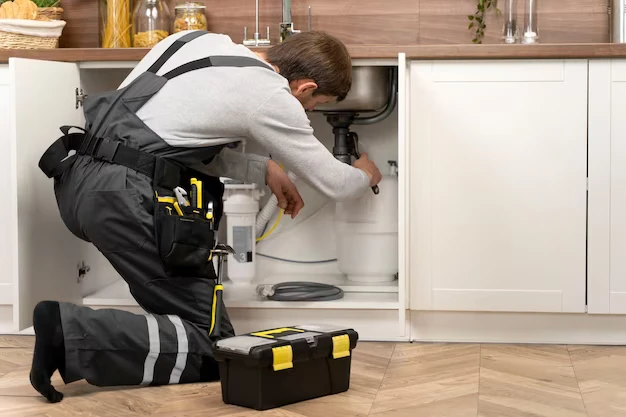

In a world where water conservation and efficient management are paramount, the early detection of water leaks has become a crucial task. Water leaks not only result in waste of this precious resource but can also lead to structural damage and hefty repair bills. If you're in Chicago and are wondering, What equipment is used for water leak detection? - you're in the right place. In this extensive guide, we'll delve into the tools and techniques used for water leak detection, with a focus on Chicago's unique requirements.
The Importance of Water Leak Detection
Water leaks are a common issue in both residential and commercial properties. They can occur due to various reasons, such as aging infrastructure, wear and tear, or even environmental factors. Detecting leaks early is essential for several reasons:
1. Conservation of Resources
Water is a finite resource, and it's essential to use it wisely. Detecting and fixing leaks promptly helps conserve water and reduce utility costs.
2. Prevention of Property Damage
Water leaks can cause severe damage to buildings and infrastructure. Timely detection can prevent costly repairs and maintain the structural integrity of your property.
3. Health and Safety
Hidden water leaks can promote the growth of mold and mildew, leading to health issues. Detecting leaks can help maintain a safe indoor environment.
Primary Equipment for Water Leak Detection
Acoustic Leak Detectors
Acoustic leak detectors are among the most commonly used tools for detecting water leaks. They work on the principle of sound amplification. These devices use sensitive microphones to listen for the sound of escaping water.
When considering water leak detection Chicago, these tools are highly effective, especially in an urban environment with various noise sources. They can pinpoint the exact location of a leak based on the distinct sound it produces.
Moisture Meters
Moisture meters are invaluable for detecting water intrusion and leaks in buildings. They can measure the moisture content of various materials like wood, drywall, and concrete. This equipment helps in identifying areas where water has penetrated, even when not visible to the naked eye.
Infrared (IR) Thermography Cameras
Infrared thermography cameras are exceptional tools for detecting hidden water leaks. They work by capturing temperature variations caused by moisture. These variations are then displayed as images, making it easier to identify the source of the leak.
Ground Penetrating Radar (GPR)
Ground Penetrating Radar is a non-invasive technique that uses radar pulses to image the subsurface. This technology is particularly useful for detecting leaks in underground pipes and utility lines. In a bustling city like Chicago, GPR can be an invaluable tool for locating water leaks without extensive digging.
Sewer Line Inspection Cameras
Chicago, like many older cities, has an extensive sewer system. Inspecting these underground networks often requires specialized sewer line inspection cameras. These cameras can navigate the complex sewer infrastructure and detect leaks or blockages.
Hydrostatic Testing Equipment
In Chicago, where the water supply system faces varying pressures and demands, hydrostatic testing equipment becomes vital. This equipment tests the integrity of water supply lines under different pressure conditions to identify leaks accurately.
Conclusion
Water leak detection is a critical task in Chicago's ever-evolving urban landscape. To address this challenge effectively, you must use the right equipment and techniques. The primary tools discussed here, along with Chicago-specific considerations, will help you in your water leak detection endeavors.
Remember that early detection and prevention are key to conserving resources, maintaining property integrity, and ensuring a safe living environment. By understanding the equipment and techniques available, you can effectively combat the issue of water leaks.
FAQs
Q1: What are the signs of a water leak?
A1: Common signs include unexplained increases in water bills, water stains on walls or ceilings, the sound of running water when no taps are open, and damp or soggy areas in your yard.
Q2: How much does water leak detection equipment cost?
A2: The cost varies depending on the type and complexity of the equipment. Basic tools like moisture meters can be relatively affordable, while advanced technologies like GPR and IR cameras can be more expensive.
Q3: Is water leak detection a DIY task?
A3: While basic inspections can be done by homeowners, detecting and repairing complex leaks often requires professional expertise. It's advisable to consult with a water leak detection specialist for challenging cases.
Q4: How can I prevent water leaks in my home or business?
A4: Regular maintenance, monitoring water bills, and investing in efficient plumbing systems can help prevent water leaks. Additionally, quick response to any signs of a leak is essential to minimize damage.

























Sign in to leave a comment.