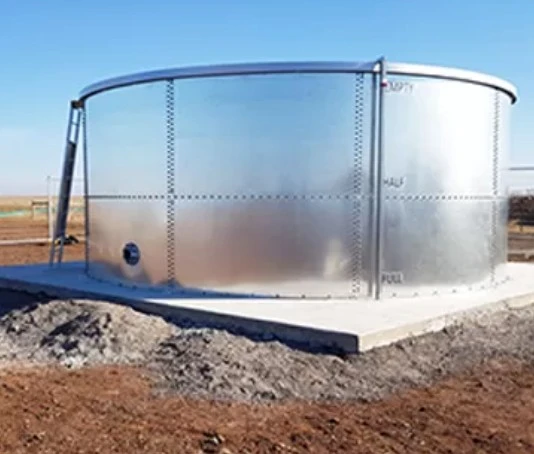

Water is a fundamental necessity for every household, and ensuring its proper storage is crucial for daily living. A reliable water storage system not only guarantees an uninterrupted supply but also enhances the efficiency of water usage. Among various solutions, modern water tank systems have emerged as indispensable for homes, combining durability, capacity, and convenience.
Understanding the Importance of Water Tank Installation
The concept of water tank storage has evolved significantly over the years. Gone are the days when simple underground reservoirs were the only option. Today, water tank installation is a carefully planned process that considers water requirements, space availability, and structural safety. Proper installation ensures that water remains clean, accessible, and available during emergencies or peak usage periods.
Choosing the right water tank solution is more than a matter of convenience; it directly impacts household operations. From cooking and cleaning to gardening and sanitation, consistent water availability is essential. A thoughtfully installed water tank safeguards households against interruptions in municipal water supply and unpredictable weather conditions.
Types of Water Tanks for Homes
When planning a water tank installation, homeowners can choose from a variety of tank types. Each type serves different needs and comes with specific benefits:
- Plastic Tanks – Lightweight and cost-effective, plastic tanks are ideal for smaller households or areas with space constraints. They are resistant to corrosion but may have a limited lifespan compared to other materials.
- Concrete Tanks – Known for their durability, concrete tanks provide long-term storage solutions. They are ideal for large-capacity requirements but may involve higher installation costs and require professional construction expertise.
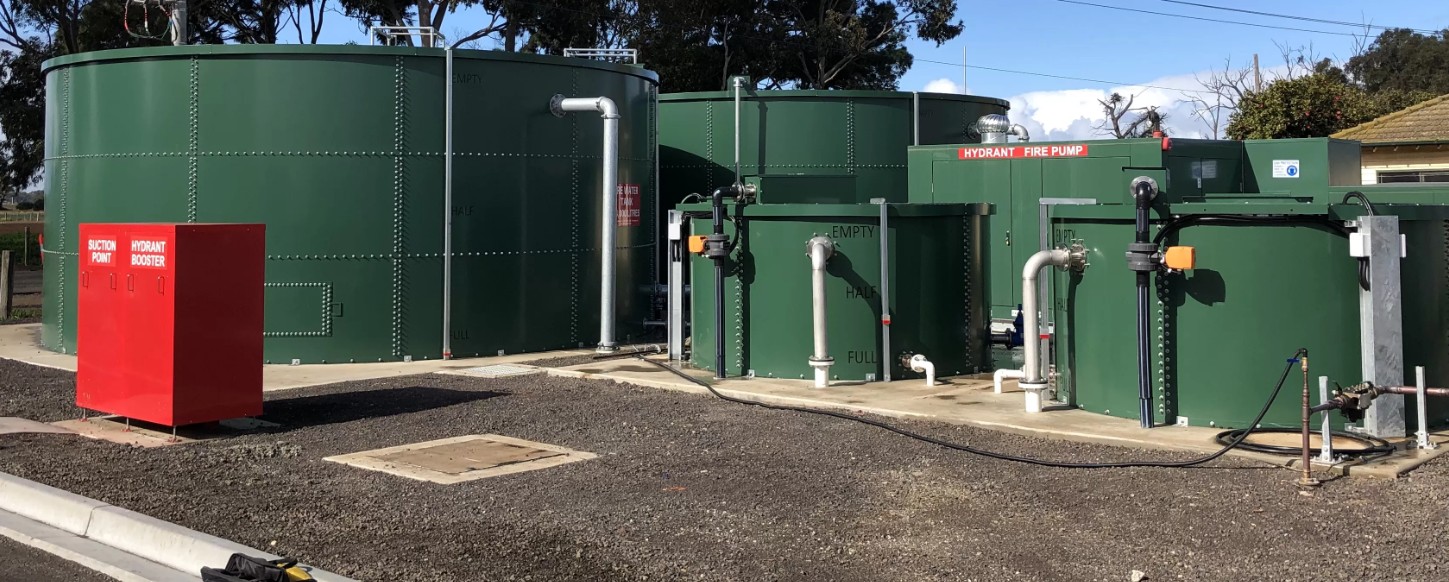
- Steel Water Tanks – Steel tanks are gaining popularity for their strength, longevity, and resistance to harsh environmental conditions. They can be customized in size and design, making them suitable for modern homes that prioritize both functionality and aesthetics.
- Fiberglass Tanks – Lightweight and corrosion-resistant, fiberglass tanks are durable and low-maintenance. They are suitable for both indoor and outdoor installations but may be more expensive than plastic alternatives.
Key Considerations for Water Tank Installation
A successful water tank installation involves more than placing a tank in a convenient location. Several critical factors must be assessed to ensure safety, efficiency, and longevity:
- Location and Space: Selecting the right spot for the tank is crucial. Elevated positions facilitate gravity-fed water flow, while shaded areas reduce exposure to sunlight, minimizing algae growth.
- Capacity Requirements: Calculating the household’s daily water consumption helps determine the appropriate tank size. Oversized tanks may lead to unused water, whereas undersized tanks can result in shortages during peak demand.
- Material Choice: Material selection affects the tank’s lifespan and maintenance. Steel water tanks, for instance, provide exceptional durability and are resistant to environmental wear, making them suitable for homes in areas with extreme weather conditions.
- Plumbing and Connections: Proper plumbing ensures efficient water distribution and minimizes leakage risks. Incorporating filters and pumps during installation can enhance water quality and flow.
- Maintenance Access: Ensuring easy access to the tank for cleaning and inspection prolongs its functionality and ensures safe water storage.
Advantages of Steel Water Tanks
Among the various options available, steel water tanks have become a preferred choice for modern households. Their benefits include:
- Durability: Steel tanks withstand extreme weather conditions and resist corrosion, ensuring a longer service life compared to plastic or concrete tanks.
- Customizability: They can be designed to fit unique spaces and capacity needs, offering flexibility for both rooftop and ground-level installations.
- Low Maintenance: Unlike concrete or plastic tanks, steel tanks require minimal upkeep, reducing long-term maintenance costs.
- Hygienic Storage: Properly coated steel tanks prevent contamination and maintain water quality over time.
Professional Installation vs. DIY
While DIY approaches may seem cost-effective, professional water tank installation ensures safety, compliance with building regulations, and optimal performance. Experienced technicians assess structural integrity, plumbing requirements, and environmental factors before installation. This proactive approach reduces risks associated with leakage, contamination, or structural damage.
Moreover, professional installation often includes guidance on maintenance, water treatment, and safety measures, providing homeowners with comprehensive support for long-term usage.
Environmental and Economic Benefits
Installing a water tank contributes to sustainability and resource efficiency. Capturing and storing rainwater reduces dependence on municipal water supply, decreases water bills, and promotes conservation. Homes equipped with efficient storage systems can manage seasonal water shortages and participate in water-saving initiatives.
Additionally, investing in high-quality tanks, such as steel water tanks, enhances property value by integrating reliable and modern water management solutions into the home infrastructure.
Conclusion
Efficient water storage is no longer an optional luxury—it is an essential aspect of modern home planning. Whether opting for plastic, concrete, or steel water tanks, careful consideration of installation requirements, material durability, and maintenance practices is crucial. Professional water tank installation ensures that households enjoy uninterrupted water supply, optimal usage, and long-term benefits.
By prioritizing the right water storage solutions, homeowners can secure their water needs, contribute to environmental sustainability, and enhance overall quality of life. Investing in a reliable water tank today is a step toward a resilient and well-prepared household for the future.
























Sign in to leave a comment.