Waterproof Paint for Bathroom: A Practical Guide
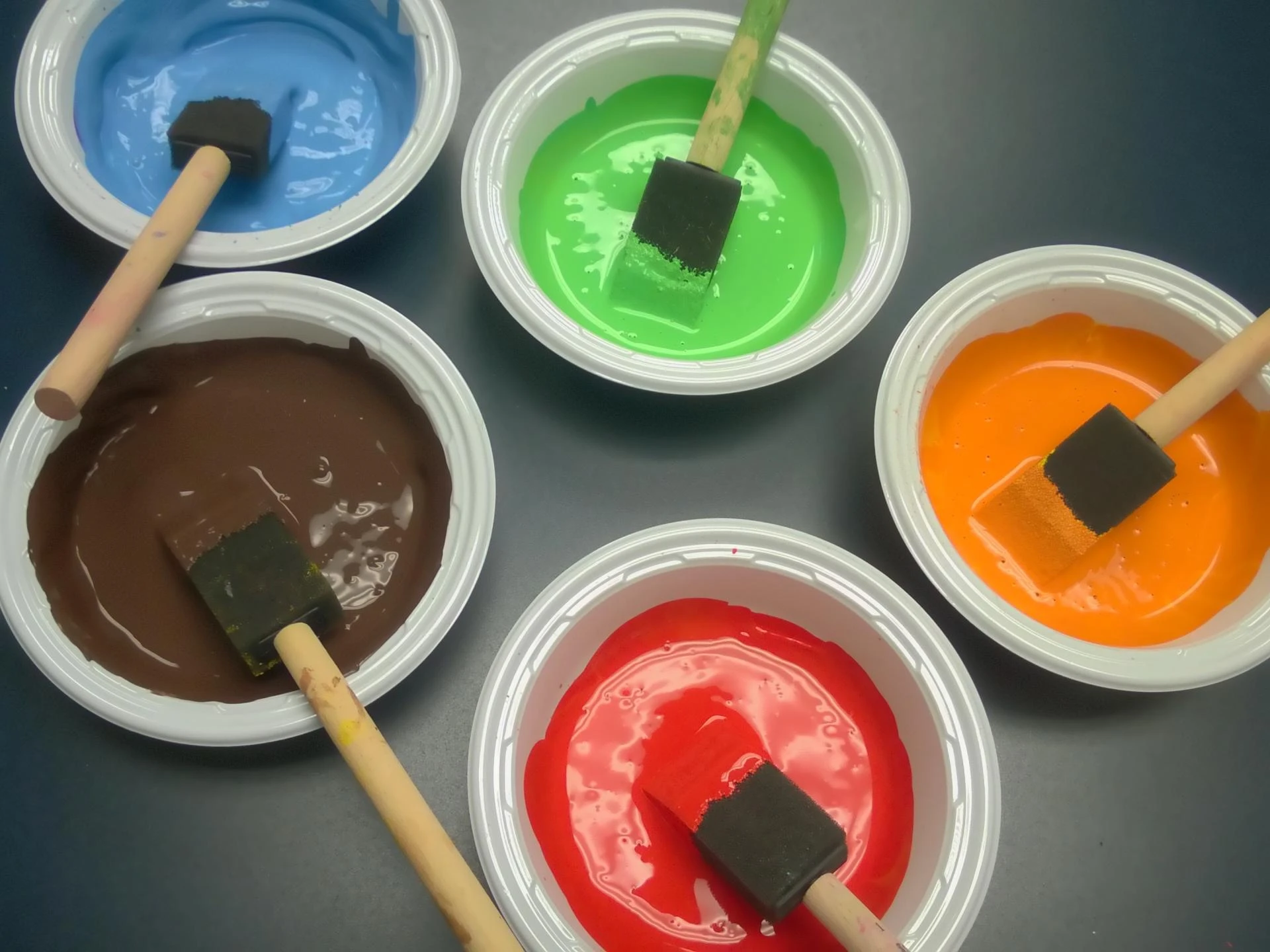

Bathrooms are frequently exposed to water and moisture, making waterproofing an important part of home maintenance. Damp patches, peeling paint and water stains can indicate that moisture is affecting a surface. Choosing an appropriate waterproofing solution requires understanding the affected area and the type of water-related problem.
When comparing waterproof paint for bathroom use, homeowners should consider whether they need a coating, primer, repair product or a broader waterproofing system. The JKMaxx Paints waterproofing category lists solutions for bathrooms, terraces, rooftops, walls and other building surfaces.

Why Is Waterproofing Important?
Water can affect walls, ceilings and other building surfaces. The waterproofing category explains that its product range is designed to create protective barriers and address different water-related challenges.
Common signs that a surface may need attention include:
- Damp patches on walls or ceilings.
- Water stains.
- Peeling or bubbling paint.
- Visible cracks.
- Mould or a musty smell.
These signs may indicate water intrusion. The underlying cause should be identified before applying a finishing coat. Painting over a damp surface without addressing the source of moisture may not resolve the problem.
Waterproofing Options for Bathrooms and Other Areas
The category includes several types of solutions. Each has a different role, so the right option depends on the surface and the problem being addressed.
Waterproofing Coatings
The category lists waterproofing coatings such as JK Maxx Seal. These are described as creating a seamless protective barrier against dampness, leaks and rain.
The listed application areas include bathrooms, rooftops, terraces and buildings. Check the individual product instructions to confirm suitability for the exact surface and intended use.
Waterproofing Primers
Waterproofing primers are used to prepare surfaces and support the performance of subsequent coats. The category lists Maxx PrimeBlock as a water-based primer containing a penetrative polymer, designed to improve the performance of the topcoat.
A primer should be selected according to the recommended waterproofing system. It should not automatically be treated as a replacement for a waterproofing coating.
Admixtures and Repair Products
The category also includes admixtures and repair products for construction and repair work.
- Maxx Polymer: Described as a waterproofing and repair product with bonding properties for old and new plaster and concrete.
- Maxx ILWP: Described as a product formulated to make concrete more cohesive and help prevent water permeability.
- Maxx Crack Repair: Described as an acrylic-modified crack-bridging paste suitable for interior and exterior walls.
These products have different roles. Review their individual product details to identify the appropriate application.
Water Proofing Paint for Roofs and Terraces
Roofs and terraces are exposed to rain and changing weather. The waterproofing category lists JK Maxx Seal among its coating options for roof and terrace protection.
Before selecting water proofing paint for roof surfaces, assess the condition of the area and identify where water may be entering. Cracks, damaged plaster and other defects may need repair as part of the preparation process.
The category also lists cement plaster, RCC works, ceiling and wall plaster, asbestos sheets, cement sand renderings and concrete bricks among the application areas for its waterproofing range. Confirm the selected product's suitability before applying it to any of these surfaces.
How to Plan a Waterproofing Project
A suitable waterproofing approach begins with understanding the problem rather than immediately choosing a paint product.
Follow this general sequence:
- Identify the affected area, such as a bathroom, terrace, roof or external wall.
- Look for visible signs of water intrusion.
- Assess whether cracks or damaged plaster need repair.
- Select a suitable repair product, coating or primer.
- Follow the recommended surface preparation process.
- Apply the system according to the manufacturer's instructions.
The category generally recommends at least two coats of waterproofing paint or coating for reliable protection. However, the exact number of coats and application method should be confirmed from the selected product's instructions.
Understanding Water-Resistant and Waterproof Products
The waterproofing page distinguishes between water-resistant and waterproof products. Water-resistant paint is described as helping prevent moisture and damp patches, while waterproof paint is described as providing a stronger barrier against water penetration.
This distinction matters when choosing a product for a bathroom, roof or wall. Consider the level of exposure and the type of surface before deciding which solution is appropriate.
Decorative wall paint should not automatically be treated as a complete waterproofing system. If the issue involves leakage or water entering through a building surface, identify the source and select a suitable waterproofing solution.
How to Choose the Best Waterproof Wall Paint
The best waterproof wall paint for a particular project depends on the surface and the type of moisture problem. Before making a selection, review:
- Whether the surface is inside or outside the building.
- Whether the issue is dampness, leakage or surface cracking.
- Whether the product is a coating, primer or repair material.
- The surfaces listed in the product's application guidance.
- The recommended preparation, number of coats and drying instructions.
Do not choose a product based only on its name. Its intended use and application instructions should match the project.
Frequently Asked Questions
Can waterproofing products be used in bathrooms?
The waterproofing category lists bathrooms among the application areas for its waterproofing coatings and solutions. Confirm the selected product's specific suitability and instructions.
Is waterproofing coating suitable for roofs?
The category lists waterproofing coatings for rooftops and terraces, including JK Maxx Seal. Review the product information before application.
Do I need a primer before waterproofing?
The category includes waterproofing primers designed to support the performance of waterproofing topcoats. Follow the recommended system for the selected product.
What are common signs of water damage?
Damp patches, water stains, peeling or bubbling paint, cracks and mould with a musty smell can indicate water-related problems.
Conclusion
Waterproofing should be planned according to the affected area and the type of moisture problem. Bathrooms, roofs, terraces and exterior walls may require different solutions, including repair products, waterproofing coatings and primers.
Before selecting waterproof paint for bathroom walls or water proofing paint for roof surfaces, identify the source of moisture and review the product's intended application. Proper preparation and following the recommended system are important steps towards protecting the surface.






Sign in to leave a comment.