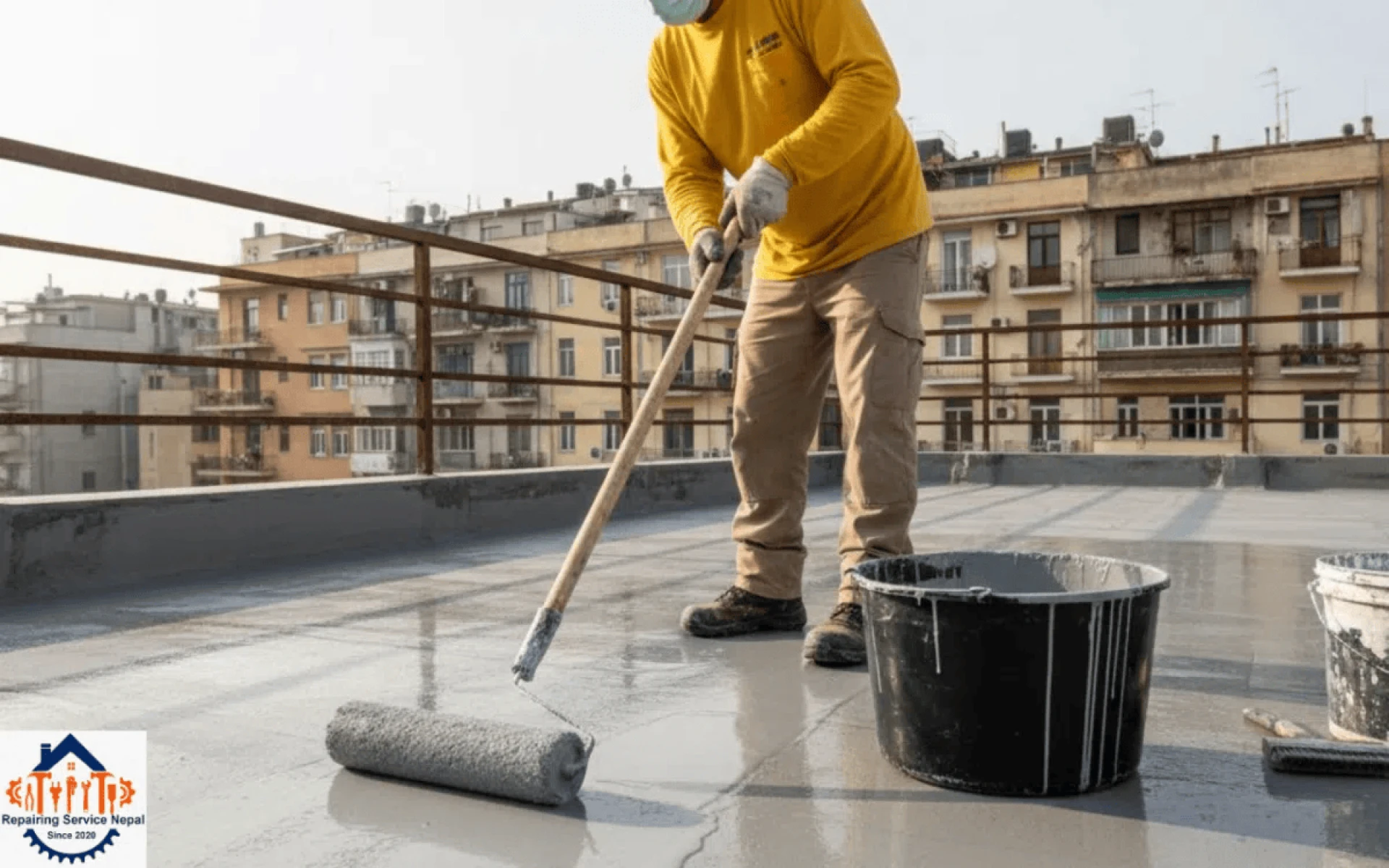

Water damage is one of the most expensive and frustrating problems property owners face. It often begins quietly — a small roof crack, damp patches on walls, or minor seepage in the basement. Over time, these small issues can lead to structural weakness, mold growth, and costly repairs.
This is why choosing the right waterproofing agent is critical for both residential and commercial buildings.
Understanding how waterproofing works helps homeowners, builders, and property investors protect their structures before serious damage occurs.
What Is a Waterproofing Agent?
A waterproofing agent is a protective material applied to surfaces such as roofs, walls, foundations, and concrete slabs to prevent water penetration.
Although concrete looks solid, it contains microscopic pores. Water can slowly pass through these pores and weaken the structure internally. A waterproofing agent seals the surface and forms a barrier that blocks moisture from entering.
In simple terms, it acts as a shield that protects the building from long-term water damage.
Why Waterproofing Is Important
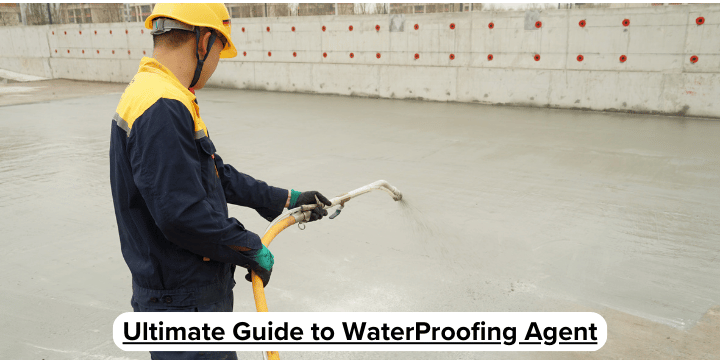
Waterproofing does more than stop visible leaks. It protects the strength, safety, and value of a property.
Here are the main benefits:
- Prevents structural damage
Continuous exposure to moisture can corrode steel reinforcement within concrete. This reduces load-bearing strength and may cause cracks. Proper waterproofing prevents internal deterioration. - Stops mold and mildew growth
Damp surfaces create the perfect environment for mold. Mold affects indoor air quality and can cause health concerns. Waterproofing keeps walls and ceilings dry. - Protects interior finishes
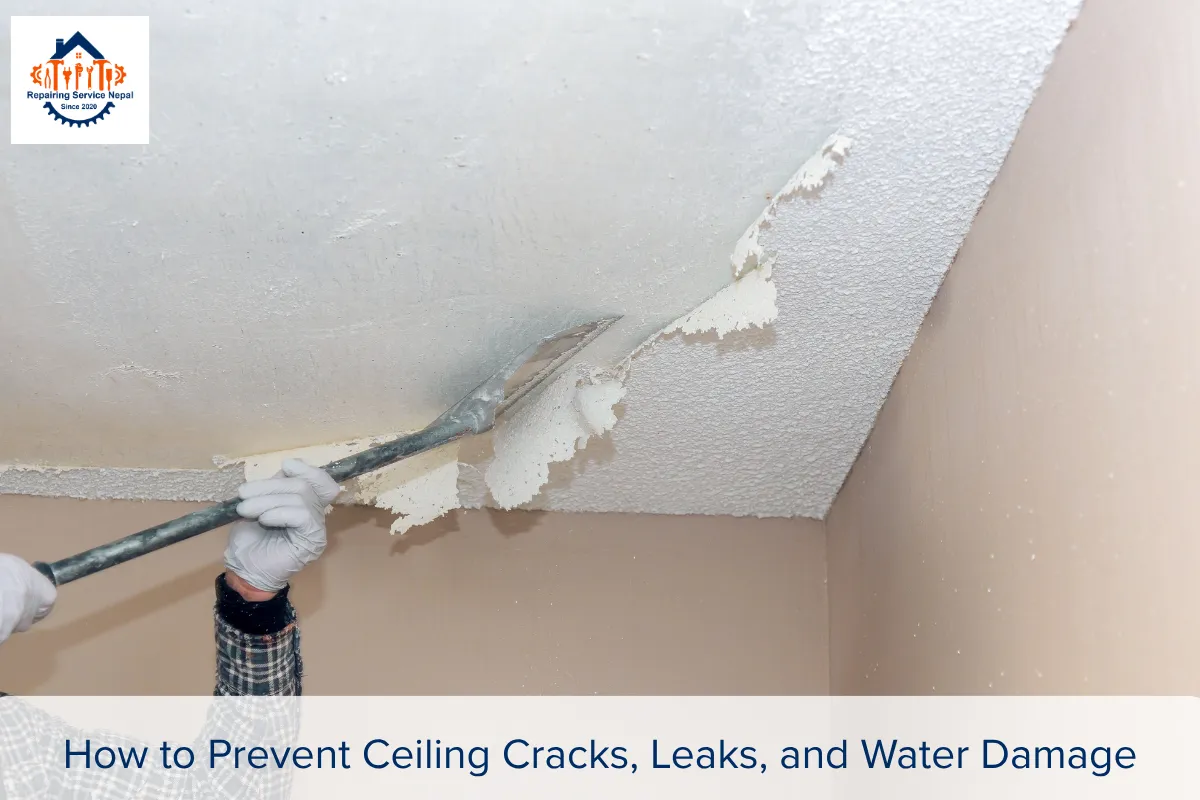
Water seepage often leads to peeling paint, stained ceilings, and damaged flooring. Applying a reliable waterproofing agent preserves interior surfaces. - Increases property lifespan
Buildings protected from water damage require fewer repairs and maintain higher market value.
Common Types of Waterproofing Agents
Different construction areas require different waterproofing solutions.
- Cementitious waterproofing
Commonly used in bathrooms, basements, and water tanks. It bonds well with concrete and is easy to apply. - Liquid waterproofing membrane
Applied as a liquid coating that dries into a seamless protective layer. Ideal for roofs and balconies. - Bituminous waterproofing
Durable and resistant to heavy moisture exposure. Often used for foundations and flat roofs. - Polyurethane waterproofing
Flexible and strong, suitable for terraces and exposed roof surfaces affected by temperature changes.
Selecting the right waterproofing agent depends on surface type, environmental conditions, and expected wear.
Waterproofing in Nepal’s Climate
Nepal experiences heavy monsoon rainfall and strong seasonal temperature variations. These conditions increase the risk of cracks and water seepage in buildings.
Because of this, proper product selection and professional application are essential. Many property owners rely on experienced service providers such as Repairing Service Nepal to ensure that suitable waterproofing systems are applied correctly.
If you want a deeper understanding of waterproofing materials, techniques, and cost considerations, you can read this detailed guide on waterproofing agent solutions:
https://repairingservicenepal.com/ultimate-guide-to-waterproofing-agent/
Common Waterproofing Mistakes to Avoid
Even high-quality materials can fail if not applied properly. Common mistakes include:
- Skipping proper surface cleaning before application
- Ignoring cracks or damaged areas
- Applying uneven coating thickness
- Not allowing sufficient curing time
Waterproofing effectiveness depends on both product quality and correct application methods.
Final Thoughts
A waterproofing agent is not just an optional construction material. It is an essential protective layer that prevents structural damage, reduces maintenance costs, and extends the lifespan of a building.
By investing in proper waterproofing, property owners can avoid expensive repairs and ensure long-term durability.
Proactive protection is always better than reactive repair.



























Sign in to leave a comment.