
If you need dental implants but are concerned about the cost, you’re not alone. Many people hesitate to undergo implant procedures due to financial reasons. While dental implant cost can be significant, there are several ways to make the procedure more affordable. From insurance options to financing plans, this guide will help you navigate the best ways to save on dental implants without compromising on quality care.
Understanding the Cost of Dental Implants
Before exploring ways to save, it’s essential to understand what goes into the dental implant cost. Several factors influence the price, including:
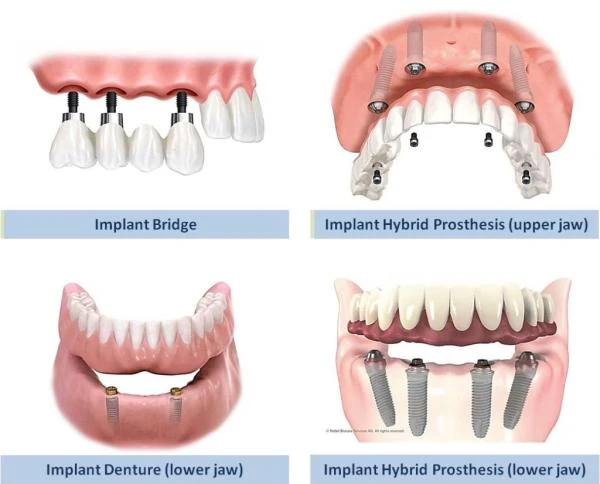
✔ Number of Implants Needed: Single implants cost less than full-mouth implants.
✔ Material Used: Titanium and zirconia implants vary in cost.
✔ Preparatory Procedures: Bone grafting or extractions can increase expenses.
✔ Dentist’s Experience: Highly skilled specialists may charge more but offer better long-term results.
✔ Location of the Clinic: Costs can vary based on geographic location and local demand.
The average cost of a dental implant in the U.S. ranges between $3,000 and $5,000 per tooth, while full-mouth implants can cost $20,000 to $50,000 or more. However, with proper planning, you can reduce these expenses significantly.
1. Check Your Dental Insurance Coverage
Many standard dental insurance plans don’t fully cover dental implants, but they may partially cover the procedure or related costs like X-rays and extractions.
✔ Review Your Policy: Check if your insurance covers any portion of implants. Some plans may cover implant-supported dentures or preparatory procedures.
✔ Look for Supplemental Insurance: If your current plan doesn’t cover implants, consider adding a dental savings plan or supplemental insurance that includes implant coverage.
✔ Health Savings Account (HSA) or Flexible Spending Account (FSA): These tax-free accounts can be used to cover out-of-pocket costs related to dental procedures.
2. Ask About In-House Financing Options
Many dental clinics, including Mesa Dental, offer in-house financing plans to make dental implant costs more manageable. Instead of paying the full amount upfront, you can break the cost into smaller monthly payments.
✔ Interest-Free Payment Plans: Some clinics offer zero-interest financing for a set period.
✔ Extended Payment Plans: Lower monthly payments over a longer term can ease financial strain.
✔ Third-Party Lenders: Options like CareCredit or LendingClub provide financing for medical and dental treatments.
3. Compare Different Dental Clinics
Pricing can vary widely between dental offices. If you’re looking to save money, consider:
✔ Getting Multiple Quotes: Compare prices from different dentists to find the most cost-effective solution.
✔ Looking for Promotions or Discounts: Some clinics offer special deals for first-time patients or multiple implant procedures.
✔ Considering Dental Schools: Accredited dental schools often provide implants at lower costs since students perform the procedure under expert supervision.
4. Consider Getting Dental Implants Abroad
Dental tourism is an option for those willing to travel. Countries like Mexico, Thailand, and Costa Rica offer dental implants at a fraction of the cost compared to the U.S.
✔ Cost Savings: Implant procedures abroad can be 50-70% cheaper.
✔ Quality Care: Research reputable dental clinics with certified specialists.
✔ Travel Costs: Factor in airfare, lodging, and follow-up care when calculating total savings.
5. Use Employer or Government Assistance Programs
✔ Medicaid & Medicare: While Medicare doesn’t typically cover dental implant costs, some Medicaid programs might provide assistance in certain cases.
✔ Employer Benefits: Some employers offer dental benefits or reimbursement programs. Check with your HR department to see if any assistance is available.
✔ Nonprofit Organizations: Groups like Dental Lifeline Network or Smile Changes Lives help eligible individuals access affordable dental care.
6. Prioritize Preventive Care to Reduce Future Costs
If you’re not ready for implants now but anticipate needing them in the future, taking care of your oral health can help you avoid additional expenses.
✔ Maintain Good Oral Hygiene: Prevent gum disease and bone loss, which could lead to costly procedures like bone grafting.
✔ Visit Your Dentist Regularly: Early detection of dental issues can reduce the need for extensive work.
✔ Avoid Habits That Damage Teeth: Smoking and chewing hard objects can weaken teeth and increase the likelihood of needing implants.
Final Thoughts
While dental implant costs can be high, there are several ways to make the procedure more affordable. From insurance coverage and financing plans to dental tourism and employer benefits, exploring these options can help you save money while still receiving high-quality dental care.
If you’re considering dental implants, Mesa Dental offers financing options and expert care to help you achieve a healthy, confident smile without financial stress. Schedule a consultation today to discuss your options and find a payment plan that works for you.



























Sign in to leave a comment.