Introduction
In today’s fast-paced digital world, businesses need more than a simple website—they need interactive, scalable platforms that engage users and provide real-time functionality. This is where web app development comes into play. Unlike static websites, web applications allow users to interact, make transactions, collaborate, and access dynamic content—all through a browser without installing software.
From productivity tools like Google Docs to e-commerce platforms and SaaS solutions, web applications have become essential for businesses of all sizes. Developing a web app involves a careful blend of design, coding, and strategic planning to ensure the product is not only functional but also scalable and secure.
Whether you’re a startup looking to launch your first digital product or an enterprise aiming to enhance internal processes, understanding web app development is key to building a competitive advantage.
What is Web App Development?
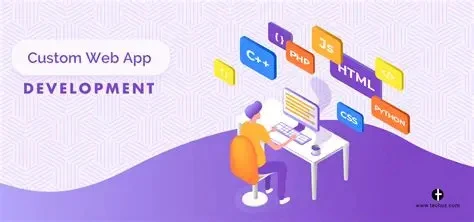
Web app development is the process of creating software applications that run on web browsers. Unlike traditional websites that deliver static content, web apps are interactive and dynamic, allowing users to perform tasks, submit data, or communicate in real-time.
Key characteristics:
- Runs in a web browser without installation.
- Accessible on multiple devices (desktop, tablet, mobile).
- Interactive and capable of real-time operations.
- Can range from simple apps to complex enterprise solutions.
Types of Web Applications
1. Static Web Applications
Simple apps with fixed content, such as portfolios or informational pages.
2. Dynamic Web Applications
Interactive apps connected to databases, such as online stores or booking systems.
3. Single Page Applications (SPAs)
Apps that load a single HTML page and dynamically update content, offering faster, smoother experiences (e.g., Gmail, Trello).
4. Progressive Web Applications (PWAs)
Combine the best of web and mobile apps—they can work offline, load fast, and be installed like native apps.
5. E-commerce Web Applications
Online platforms with product catalogs, payment gateways, and inventory management.
6. Enterprise Web Applications
Custom tools for internal business operations such as CRM, HR, or ERP systems.
Web App Development Process
1. Requirement Gathering
Identify business goals, user needs, and technical requirements.
2. UI/UX Design
Create wireframes and prototypes to ensure a smooth user experience.
3. Frontend Development
Build the client-facing part of the app using HTML, CSS, and frameworks like React, Angular, or Vue.js.
4. Backend Development
Develop server-side logic and database interactions using Node.js, Django, Ruby on Rails, or Laravel.
5. Database Setup
Choose relational (MySQL, PostgreSQL) or NoSQL (MongoDB, Firebase) databases based on app needs.
6. Testing & Quality Assurance
Conduct thorough testing to identify bugs, performance issues, and security vulnerabilities.
7. Deployment
Launch the app on cloud platforms like AWS, Azure, Google Cloud, or DigitalOcean.
8. Maintenance & Updates
Continuously monitor and update the app to fix bugs, add features, and optimize performance.
Benefits of Web App Development
- Cross-platform accessibility: Works on multiple devices without separate development.
- User engagement: Interactive features improve customer satisfaction.
- Cost-effective: One web app can replace multiple native apps.
- Real-time updates: Changes and new features are instantly available to all users.
- Scalability: Web apps can handle growing user bases efficiently.
Tools and Technologies
Frontend: HTML5, CSS3, JavaScript, React, Angular, Vue.js
Backend: Node.js, Django, Ruby on Rails, Laravel
Databases: MySQL, PostgreSQL, MongoDB, Firebase
Cloud Hosting: AWS, Azure, Google Cloud, Netlify
Version Control: Git, GitHub, GitLab, Bitbucket
Other Tools: APIs, WebSockets for real-time apps, Docker for deployment
Common Challenges
- Ensuring strong security against threats like XSS and SQL injection
- Performance optimization for faster load times
- Handling cross-browser compatibility
- Scaling efficiently as the user base grows
- Balancing budget vs. functionality
Conclusion: The Future of Web Applications
Web app development is no longer optional—it’s a necessity for modern businesses. Whether it’s improving customer engagement, streamlining operations, or launching a new SaaS product, investing in a high-quality web app can deliver long-term value.
Ready to transform your business with a powerful web app? Explore our custom web app development services today and take the first step toward scalable, interactive digital solutions.
FAQs
Q1: What is the difference between a website and a web app?
A website primarily provides static content, while a web app is interactive and allows users to perform tasks or make transactions.
Q2: How long does it take to develop a web app?
Development time depends on complexity, features, and team size; it can range from a few weeks to several months.
Q3: Can web apps work offline?
Yes, Progressive Web Apps (PWAs) can store data locally to function offline.
Q4: Which frameworks are best for web app development?
Popular frontend frameworks include React, Angular, and Vue.js. Backend options include Node.js, Django, and Ruby on Rails.
Q5: How much does it cost to build a web app?
Costs vary based on complexity, features, and technology stack, ranging from a few thousand dollars for simple apps to six figures for enterprise solutions.

















Sign in to leave a comment.