
Web design is no longer just about making websites look good—it's about creating interactive, intuitive, and immersive digital experiences. As we step deeper into 2025, technological innovations, changing user behavior, and global priorities like accessibility and sustainability are reshaping how websites are designed and developed.
This article explores the top web design trends of 2025 that every designer, developer, and business owner should know to stay ahead in the digital space.
1. AI-Powered Personalized User Experiences
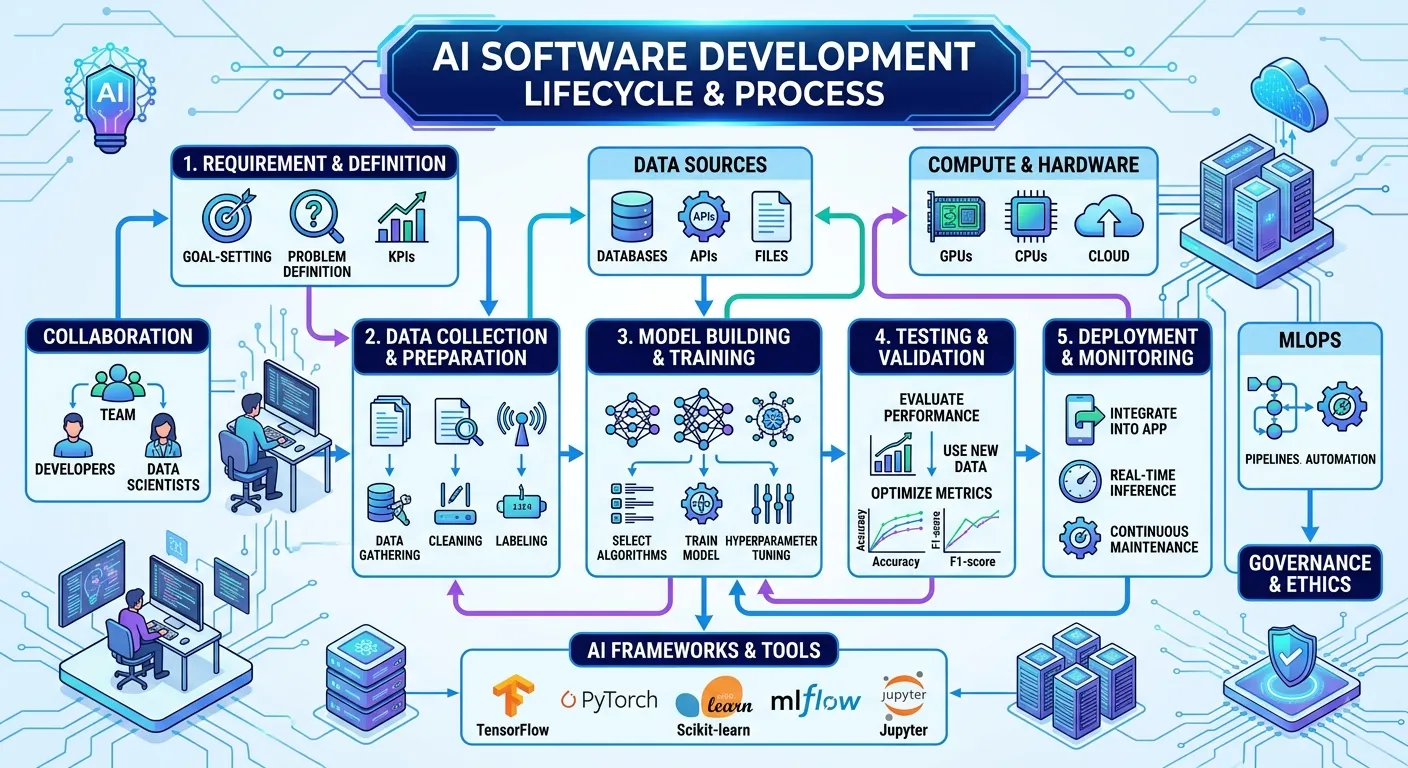
In 2025, Artificial Intelligence (AI) is at the heart of web personalization. Websites are becoming smarter, delivering content, product suggestions, and layouts tailored to each user's behavior, preferences, and real-time interactions.
Applications Include:
- AI-generated product recommendations
- Smart chatbots with memory-based replies
- Dynamic content adjustments based on user activity
Why It Matters:
Personalized experiences significantly boost user engagement, reduce bounce rates, and increase conversions.
2. Voice User Interface (VUI)
As voice-enabled devices become a part of everyday life, websites are now optimized for voice interaction. Users can navigate, search, and interact using voice commands instead of touch or click.
Advantages:
- Enhances accessibility
- Supports multitasking
- Speeds up user interactions
Incorporating VUI into web design makes the site more inclusive and modern.
3. Dark Mode and Low-Light Interfaces
Dark mode has moved from a trend to a standard feature. In 2025, most websites offer a dark or low-light option to reduce eye strain and extend device battery life.
Best Practices:
- Use contrasting text for readability
- Ensure visuals remain sharp in both modes
Dark mode is no longer just about style—it's about usability.
4. Micro-Interactions and Motion UI
Micro-interactions—such as hover effects, animated buttons, and transitions—enhance the user journey. These subtle design elements provide feedback, guide users, and make interactions more intuitive.
Why Use Them:
- Improves navigation clarity
- Increases user satisfaction
- Makes the site feel more alive and responsive
Motion UI adds a professional, dynamic touch to any design.
5. Minimalist and Content-Focused Design
Less is more in 2025. Web designs are moving towards minimalism, emphasizing clarity, readability, and speed.
Core Elements:
- White space
- Clean typography
- Limited color palettes
This trend improves user focus and enhances mobile responsiveness.
6. 3D and Immersive Visual Elements
With tools like WebGL and Three.js becoming more powerful, 3D design is now accessible and impactful. Interactive 3D visuals are used for storytelling, product showcases, and immersive experiences.
Use Cases:
- Virtual try-ons for fashion or eyewear
- Real estate walkthroughs
- Gamified content
3D enhances engagement and keeps users on-site longer.
7. Eco-Friendly Web Design
As environmental concerns grow, sustainable web design is gaining traction. Websites in 2025 aim to reduce carbon footprints through optimized performance and eco-conscious hosting.
Sustainable Strategies:
- Compress images and code
- Use green hosting providers
- Minimize animations and data-heavy content
A greener web is not only responsible—it also loads faster and ranks better.
8. Mobile-First and Responsive Everything
With over 60% of web traffic coming from mobile devices, mobile-first design has become essential. Websites are now created with smartphones as the primary target device, not an afterthought.
Focus Areas:
- Touch-friendly navigation
- Responsive images
- Fluid grid layouts
Responsive design ensures a consistent experience across all screen sizes.
9. Accessibility and Inclusive Design
Inclusivity is a core principle in 2025. Web designers are ensuring their sites can be accessed and used by everyone, including those with disabilities.
Accessibility Features:
- Keyboard navigation support
- Alt text for all images
- High color contrast
- ARIA roles and semantic HTML
An accessible website not only meets legal standards but also expands reach and user trust.
10. Advanced Data Visualization
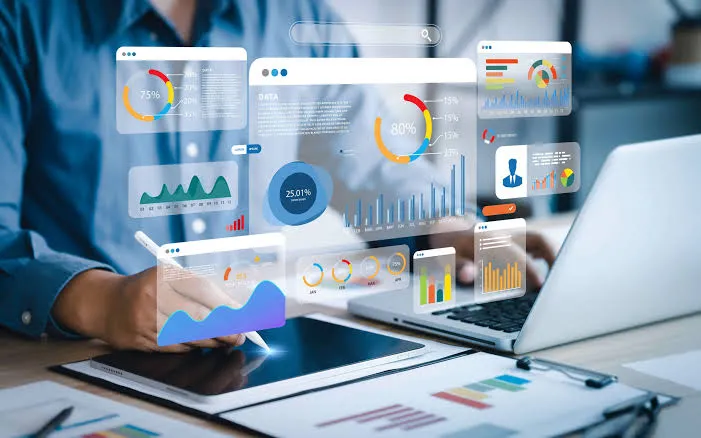
Data-driven decisions require clear communication. In 2025, websites present complex data in engaging formats like animated charts, interactive graphs, and dynamic dashboards.
Tips for Effective Visualization:
- Use color coding carefully
- Keep interfaces intuitive
- Offer downloadable or interactive reports
Visual data helps users understand insights faster and act confidently.
11. No-Code/Low-Code Development Platforms
Website creation is becoming more democratized. No-code and low-code platforms allow non-programmers to build sophisticated, responsive websites without deep technical knowledge.
Top Tools in 2025:
- Webflow
- Wix Studio
- Framer
- Bubble
These tools speed up prototyping and reduce development costs.
12. Privacy-Focused and Secure Design
With rising data privacy concerns, users now expect transparency and control. Web design in 2025 incorporates strong security measures and clearly communicates data policies.
Privacy Elements:
- Cookie consent and control
- End-to-end encryption
- Biometric authentication
- GDPR and CCPA compliance features
A secure, privacy-focused design fosters trust and credibility.
Conclusion
The web design landscape of 2025 is more user-focused, ethical, and technologically advanced than ever before. From AI personalization to sustainability and inclusivity, today’s trends are shaping the websites of tomorrow.
For designers and businesses alike, staying informed and adopting these practices is key to building digital experiences that are modern, meaningful, and future-ready.































Sign in to leave a comment.