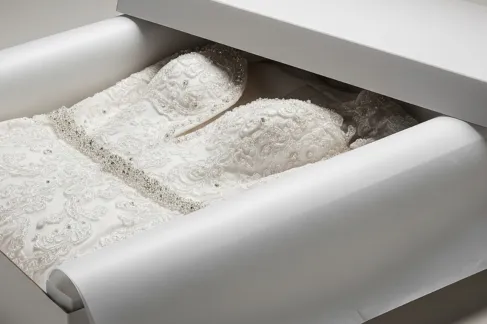

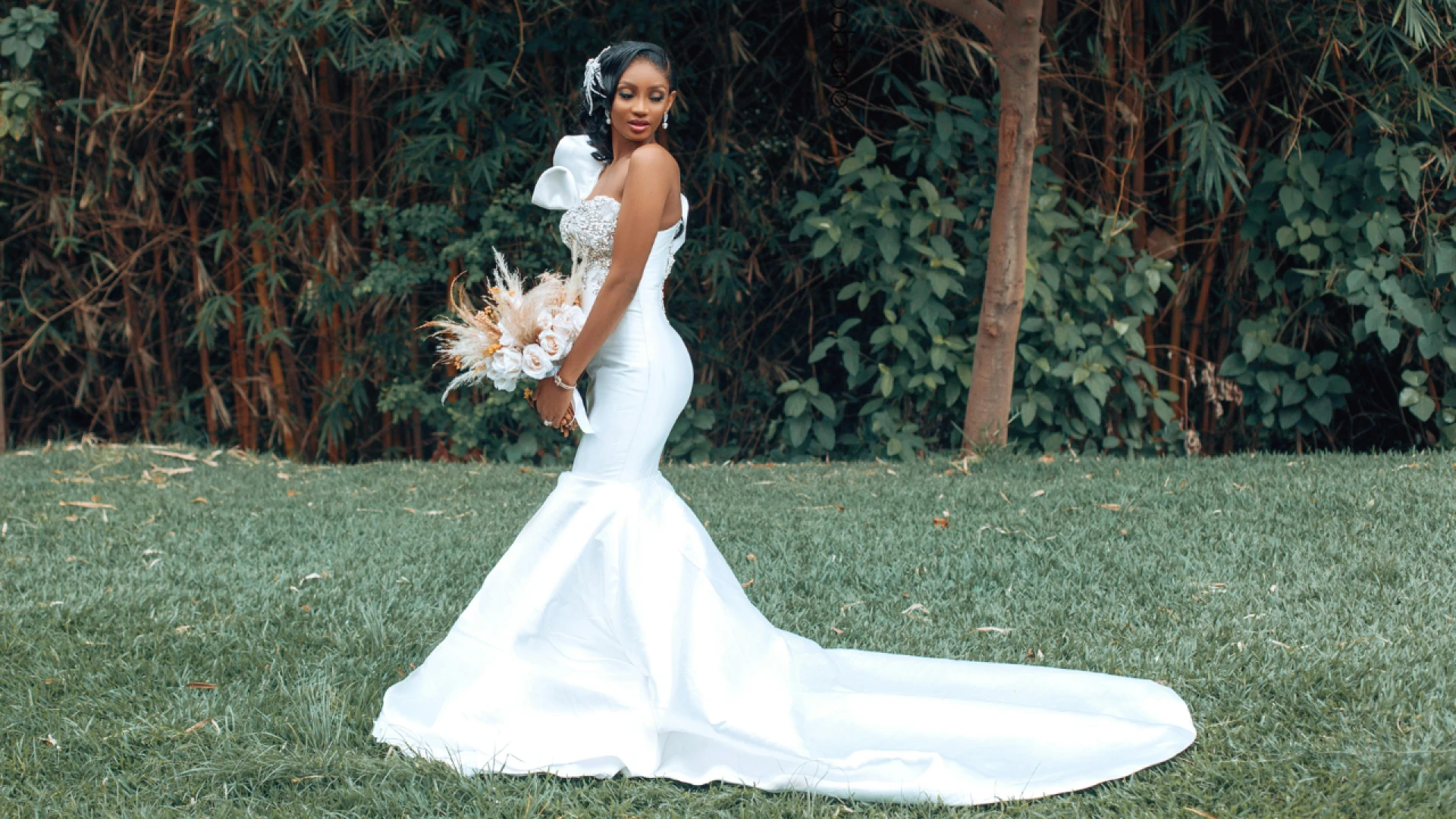
A wedding dress is one of the most meaningful garments a person will ever own, often carrying emotional, cultural, and financial value. In Virginia, where weddings take place across diverse settings—from coastal ceremonies in Virginia Beach to rustic barn weddings in the Shenandoah Valley and elegant indoor venues in Richmond—the environment can significantly impact how a gown ages after the big day.
Wedding dress preservation in Virginia is not just about long-term storage; it begins the moment the celebration ends. Early cleaning plays a critical role in preventing stains from becoming permanent and irreversible.
Why Virginia’s Climate Makes Early Cleaning Even More Important
Virginia experiences a humid subtropical climate, especially in regions like Norfolk, Alexandria, and Richmond. This humidity can accelerate fabric deterioration if a wedding dress is not cleaned promptly. Moisture in the air encourages the growth of mildew and can set invisible stains such as sweat, champagne, makeup, and food particles into the fabric fibers.
In coastal areas like Virginia Beach and Chesapeake, salt air adds another layer of risk. Salt particles can cling to delicate fabrics such as silk, lace, and tulle, slowly weakening fibers over time. Even in cooler regions like Roanoke or Charlottesville, seasonal humidity changes can cause delayed but permanent yellowing if dresses are stored without proper cleaning.
How Stains Become Permanent Over Time
Wedding dresses are typically made from delicate materials like satin, chiffon, organza, and lace. These fabrics absorb stains quickly, even when the marks are not immediately visible. Common wedding-day stains in Virginia weddings include:
- Sweat and body oils from dancing and long ceremonies
- Wine, champagne, and cocktail spills during receptions
- Makeup such as foundation and lipstick on collars and bodices
- Grass, dirt, or mud from outdoor photo sessions
- Food stains from wedding cakes, sauces, and hors d’oeuvres
If these stains are not treated within a short window after the wedding, oxidation begins. This chemical process causes stains to darken and bond with fabric fibers, making them significantly harder or even impossible to remove later. In Virginia’s warm and humid conditions, oxidation can occur faster than many brides expect.
Why Early Cleaning Is the Key to Successful Preservation
Early cleaning—ideally within a few days to two weeks after the wedding—is essential for preserving the original condition of the gown. Professional cleaners specializing in wedding dress preservation in Virginia use gentle, fabric-specific techniques to remove stains before they set.
The benefits of early cleaning include:
- Preventing invisible stains from becoming visible over time
- Avoiding fabric discoloration and yellowing
- Reducing the risk of mildew growth in humid environments
- Maintaining lace detailing, beadwork, and embroidery integrity
- Increasing the success rate of long-term preservation treatments
When cleaning is delayed for months or years, even advanced restoration methods may not fully reverse damage, especially in delicate heirloom-quality dresses.
Regional Wedding Conditions in Virginia and Their Impact on Dresses
Virginia offers a wide range of wedding environments, each posing unique risks to wedding gowns.
Beach Weddings in Coastal Virginia
Weddings in Virginia Beach, Norfolk, and the Eastern Shore often involve sand, salt air, and wind. Sand particles can embed in fabric layers and cause abrasion, while salt can lead to fabric weakening and dullness if not cleaned quickly.
Garden and Vineyard Weddings in Central Virginia
Locations like Charlottesville, Loudoun County, and Richmond are popular for vineyard and garden weddings. While beautiful, these settings expose dresses to pollen, grass stains, and natural oils from plants, all of which can become permanent if untreated.
Mountain and Rustic Weddings in Western Virginia
In areas like Roanoke and the Blue Ridge Mountains, rustic outdoor venues often lead to dirt, mud, and moisture exposure. These organic stains are particularly difficult to remove once they dry and oxidize.
Urban Weddings in Northern Virginia
Cities like Alexandria and Arlington host elegant indoor weddings, but even indoor events expose dresses to food, drink spills, and heavy usage from long receptions. Urban pollution and transportation exposure can also subtly affect fabric cleanliness.
The Science Behind Stain Setting in Wedding Dresses
Stains do not remain static after they occur. Instead, they undergo chemical changes depending on temperature, humidity, and time. In Virginia’s climate, these reactions can happen quickly.
Protein-based stains like sweat and food break down and bond with fibers when exposed to heat. Sugar-based stains from drinks like champagne or soda oxidize and darken. Oil-based stains from makeup and lotions slowly seep deeper into fabric layers.
Once these stains bond chemically with fibers, standard washing methods become ineffective. This is why professional early cleaning is significantly more effective than delayed treatment.
What Professional Wedding Dress Cleaning in Virginia Involves
Professional wedding dress cleaners in Virginia typically follow a multi-step process designed to protect delicate fabrics while removing stains safely.
First, the dress is carefully inspected for visible and hidden stains. Next, specialists identify fabric types and embellishments to determine appropriate cleaning methods. Spot treatments are then applied to stained areas using gentle, non-damaging solutions.
After cleaning, the dress is thoroughly dried in a controlled environment to prevent mildew growth. Finally, it is preserved using acid-free tissue paper and archival-quality boxes that protect it from light, moisture, and air exposure.
Long-Term Benefits of Early Preservation
Investing in early cleaning and preservation offers long-term advantages, especially for brides in Virginia who want to keep their gowns as heirlooms or keepsakes.
Properly preserved dresses can last for decades without yellowing or fabric breakdown. They can be safely stored for future generations, repurposed for anniversaries or vow renewals, or even redesigned into christening gowns or other family heirlooms.
Early preservation also ensures that sentimental details like lace patterns, buttons, and embroidery remain intact and visually beautiful over time.
Common Mistakes Brides in Virginia Should Avoid
Many brides unintentionally damage their wedding dresses by delaying care or storing them incorrectly. Common mistakes include:
- Leaving the dress in a garment bag for months after the wedding
- Attempting DIY stain removal with household cleaners
- Storing the dress in humid basements or attics
- Exposing the dress to direct sunlight or plastic packaging
- Ignoring invisible stains that seem harmless initially
Avoiding these mistakes is essential for maintaining the gown’s original condition.
Conclusion: Acting Early Protects Your Wedding Memories
In Virginia’s varied climate and diverse wedding environments, wedding dresses are exposed to multiple stain risks that can quickly become permanent if not addressed early. Prompt cleaning is the most important step in wedding dress preservation, ensuring that stains do not set and fabrics remain intact.
Whether your wedding took place on the beaches of Virginia Beach, the vineyards of Charlottesville, or the historic streets of Alexandria, early preservation protects not just the dress—but the memories attached to it. Taking action within days of the wedding ensures your gown remains a lasting symbol of one of life’s most meaningful celebrations.






















Sign in to leave a comment.