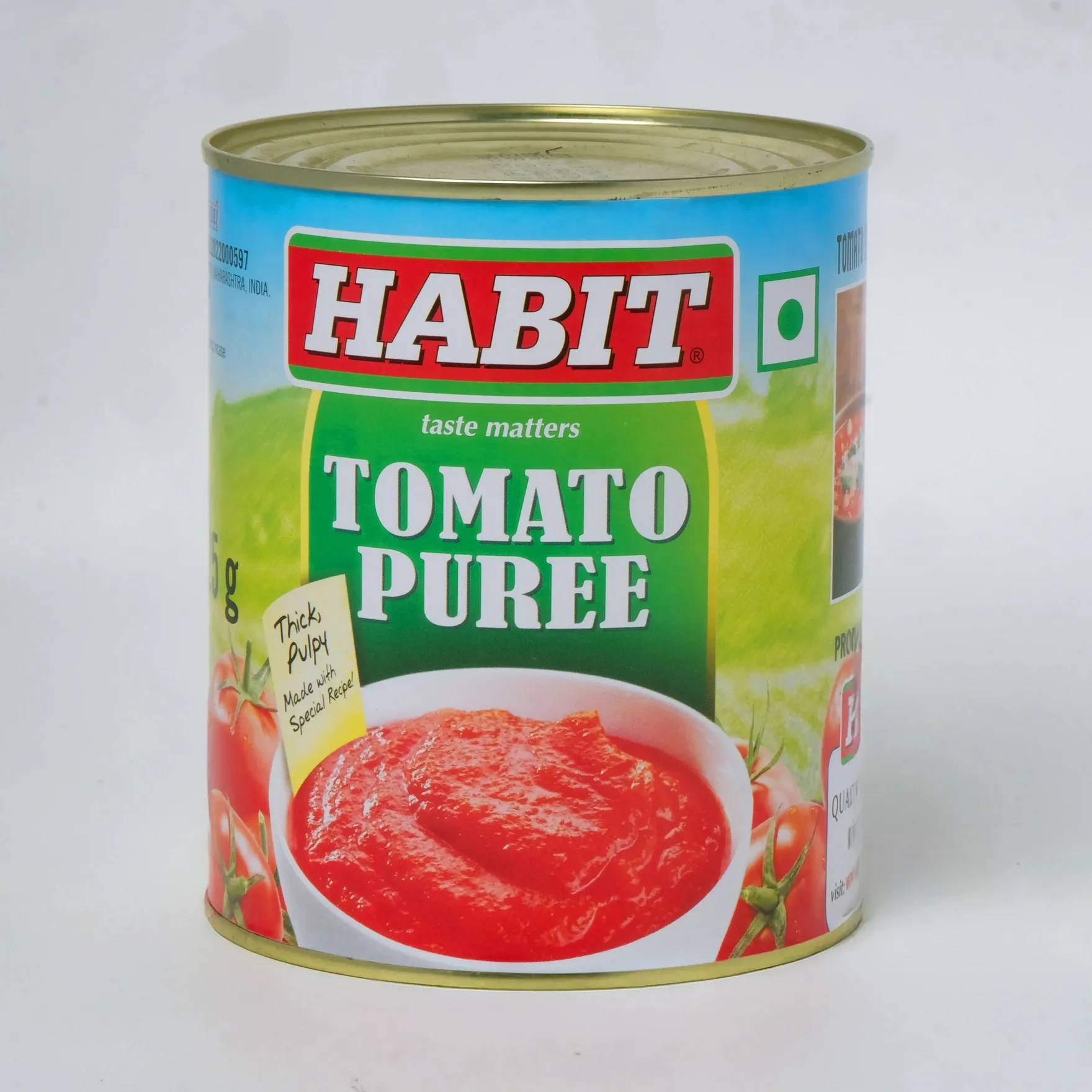

Tomato puree is a convenient kitchen ingredient used in Indian households, restaurants, hotels, catering businesses, and food manufacturing. It provides the rich taste, color, and consistency of tomatoes while reducing the preparation time required to make sauces, gravies, soups, pasta, and other dishes. However, the tomato puree price can vary considerably depending on several factors, including tomato quality, processing methods, packaging, brand, quantity, and market conditions. Understanding these factors can help buyers select a product that offers the right balance of quality and value.
1. Cost and Quality of Fresh Tomatoes
The primary ingredient in tomato puree is fresh tomatoes, so fluctuations in tomato prices directly influence the final product cost. Tomato prices can change because of seasonal availability, weather conditions, crop yields, transportation costs, and regional supply and demand.
High-quality tomatoes that are ripe, flavorful, and suitable for processing can also cost more than lower-grade varieties. When the cost of raw tomatoes increases, manufacturers may adjust their product prices accordingly. This is one of the most important reasons why tomato puree price may change throughout the year.
2. Tomato Variety and Concentration
Not all tomatoes produce the same type of puree. Manufacturers may select specific tomato varieties based on their flavor, color, acidity, pulp content, and suitability for processing.
The concentration of tomato solids can also affect the price. A puree with a higher tomato content may require more raw material and processing, which can increase its cost. Products with a richer consistency and stronger tomato flavor may therefore have a different price compared with products that contain a lower concentration.
3. Processing and Manufacturing Methods
The method used to produce tomato puree also contributes to its overall cost. Tomatoes generally undergo processes such as washing, sorting, crushing, pulping, heating, and packaging.
Modern processing facilities may use specialized equipment to maintain consistent texture, color, taste, and quality. Manufacturers also invest in food safety systems, quality testing, storage facilities, and controlled processing environments. These operational expenses can influence the final tomato puree price.
A carefully processed product may offer better consistency and convenience, making it suitable for both household and commercial applications.
4. Packaging Material and Size
Packaging is another factor that influences the price of tomato puree. Products may be available in cans, glass bottles, pouches, cartons, or other food-grade containers. Each packaging format has different manufacturing, storage, transportation, and handling costs.
Pack size also matters. Small packs are convenient for households but can have a higher cost per kilogram because of packaging and distribution expenses. Larger packs may provide better value per unit and are often preferred by restaurants, caterers, and commercial kitchens.
Therefore, when comparing tomato puree price, buyers should look at the cost per kilogram or litre rather than comparing only the printed price of different pack sizes.
5. Brand Reputation and Quality Standards
Brand reputation can also affect product pricing. Established food brands often invest in quality control, ingredient sourcing, manufacturing standards, packaging design, distribution networks, and customer support.
Products from brands with consistent quality may command a higher price because consumers are paying not only for the puree itself but also for reliability and quality assurance. However, a higher price does not automatically mean that every product is better. Buyers should check ingredients, tomato content, packaging size, storage instructions, and product quality before making a decision.
6. Transportation and Distribution Costs
Tomato puree is distributed from manufacturing facilities to wholesalers, retailers, supermarkets, restaurants, and online stores. Transportation costs can influence the final price, particularly when products travel long distances.
Fuel prices, freight charges, warehousing expenses, and regional distribution networks can all contribute to the overall cost. Products sold in areas farther away from manufacturing or distribution centers may sometimes have different prices because of additional logistics expenses.
7. Seasonal Supply and Market Demand
Seasonal changes can have a significant effect on tomato-related products. When fresh tomatoes are readily available, raw material costs may become more favorable for manufacturers. During periods of limited supply, higher tomato prices can increase production costs.
Demand also plays a role. Restaurants, hotels, catering companies, and food manufacturers may purchase tomato puree in larger quantities during busy periods. Changes in demand can influence wholesale pricing and availability.
8. Taxes and Other Business Expenses
Taxes, electricity, labor, equipment maintenance, storage, quality testing, and other operational expenses are included in the overall cost of producing and selling tomato puree. Changes in these expenses can eventually affect retail prices.
Retailers and distributors also have their own operating and handling costs. As the product moves through the supply chain, these expenses may be reflected in the final selling price.
How to Choose Tomato Puree at the Right Price
Instead of selecting a product based only on its lowest price, compare important factors such as tomato content, consistency, ingredients, packaging size, shelf life, and intended use. For everyday cooking, a standard pack may be sufficient, while restaurants and commercial kitchens may benefit from bulk packaging.
It is also useful to compare the tomato puree price per kg across different brands and pack sizes. This provides a clearer picture of the actual value you are getting.
Conclusion
The price of tomato puree in India is influenced by much more than the cost of tomatoes. Raw material quality, tomato concentration, processing methods, packaging, brand reputation, transportation, seasonal availability, demand, and business expenses can all contribute to the final cost.
Understanding these factors makes it easier to evaluate different products and choose tomato puree according to your budget and cooking requirements. Whether you are purchasing for your home, restaurant, catering business, or food production unit, comparing quality and tomato puree price together can help you make a more informed buying decision.


























Sign in to leave a comment.