
Wedding invitation cards are an essential part of every wedding celebration. They are not only used to invite guests but also serve as a reflection of tradition, culture, emotions, and personal style. From ancient handwritten announcements to today’s luxurious designer invitations, wedding cards have evolved significantly over time while continuing to hold deep emotional and cultural importance.
In every culture around the world, weddings are considered special occasions that bring families and communities together. Wedding invitations act as the formal beginning of these celebrations, creating excitement and anticipation among guests. A thoughtfully designed wedding invitation card gives people their first glimpse into the style and atmosphere of the upcoming event.
The History of Wedding Invitation Cards
The tradition of wedding invitations dates back many centuries. In ancient times, weddings were announced publicly through verbal communication because very few people could read or write. Town criers were often used to spread important announcements, including wedding ceremonies.
During the Middle Ages, written wedding invitations became more common among royal and wealthy families. Since handwriting required skilled calligraphers and expensive materials, invitations were considered symbols of prestige and social status. These early invitations were often beautifully decorated and sealed with family crests or wax stamps.
The invention of the printing press in the 15th century transformed wedding invitations completely. Printed invitation cards became more affordable and accessible, allowing families from different backgrounds to create formal wedding announcements. Over time, wedding invitation cards evolved into artistic pieces featuring elegant typography, decorative borders, and cultural symbols.
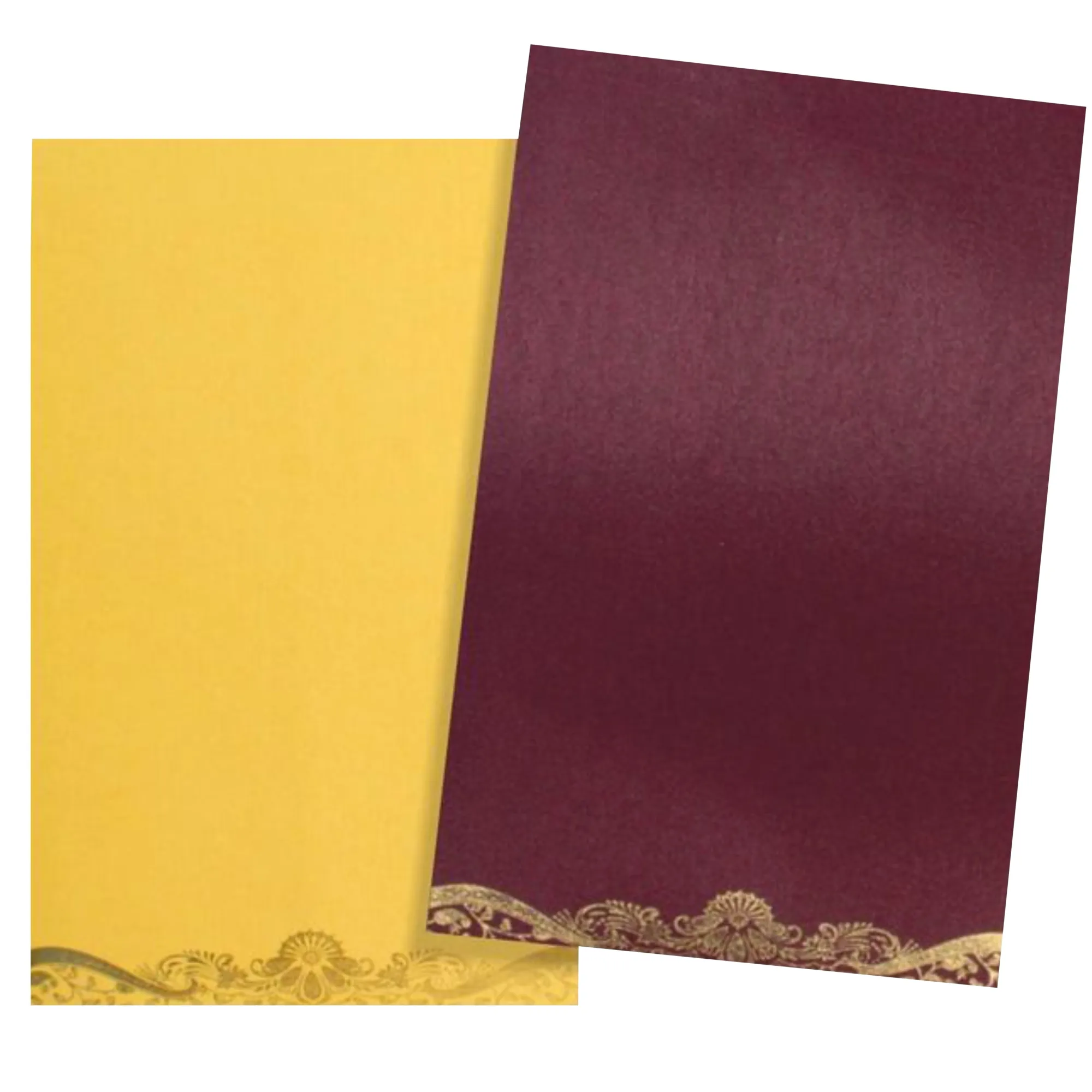
In India, traditional wedding invitations gained importance because weddings are deeply rooted in customs and rituals. Many Indian wedding cards include religious symbols, prayers, and auspicious colors such as red, gold, and yellow, which are believed to represent prosperity and happiness.
Today, wedding invitation cards are available in countless styles, materials, and designs, blending tradition with modern creativity.
Importance of Wedding Invitation Cards
First Impression of the Wedding
A wedding invitation card creates the first impression of the wedding celebration. The design, colors, fonts, and presentation help guests understand the theme and mood of the event. A luxurious invitation may suggest a grand celebration, while a minimalist design may reflect elegance and simplicity.
Formal Communication
Wedding invitation cards provide all essential information related to the ceremony, including:
- Names of the bride and groom
- Wedding date and timings
- Venue details
- Reception information
- RSVP details
- Dress codes or event instructions
This makes invitations an organized and formal way to communicate important details to guests.
Cultural and Traditional Significance
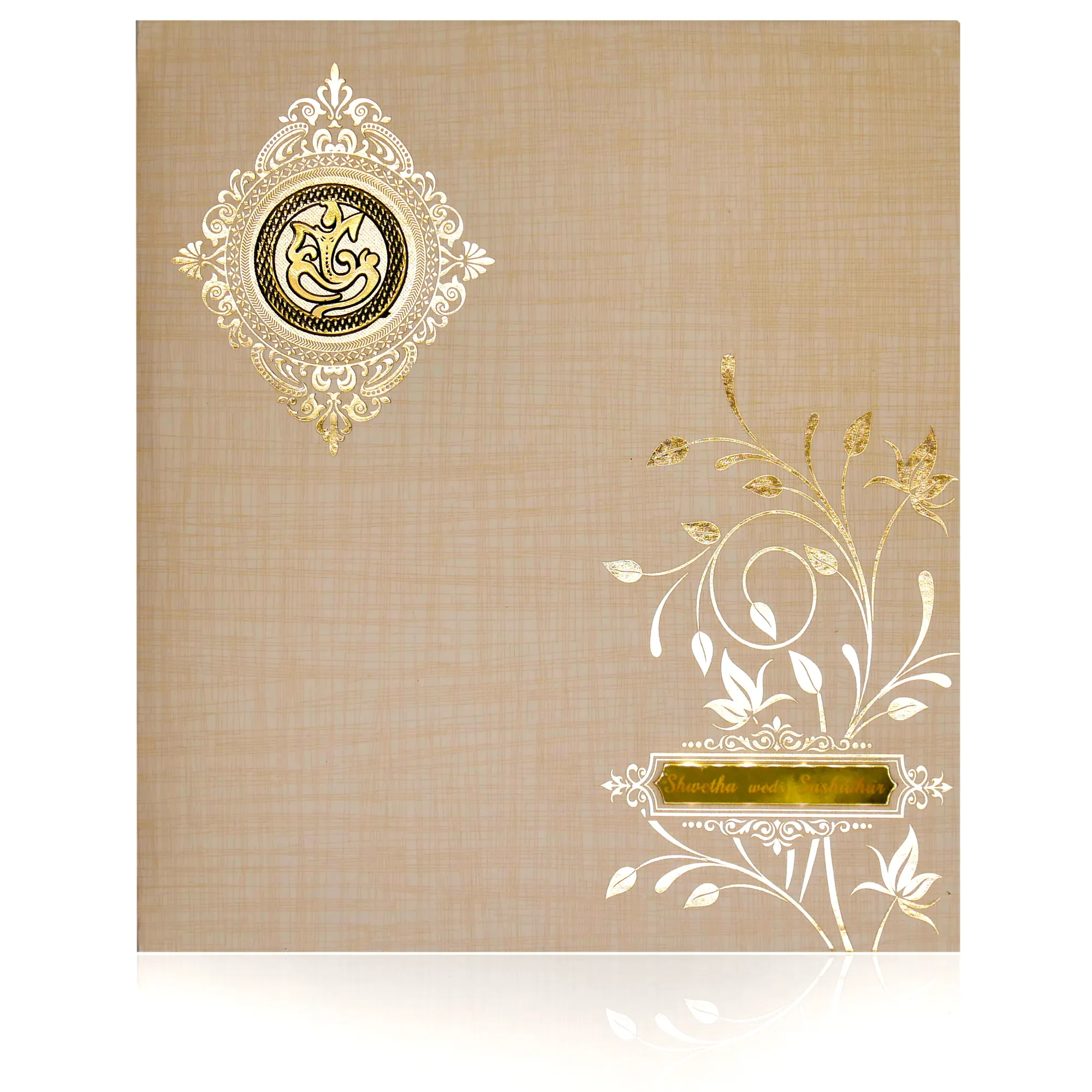
In many cultures, wedding invitations are considered sacred and symbolic. Indian wedding cards often begin with religious prayers or images of deities such as Lord Ganesha to seek blessings for the couple. Traditional invitation rituals are also followed in many families, where the first card is offered at a temple before distribution.
Wedding invitations also reflect family traditions, community values, and cultural heritage, making them emotionally meaningful.
Emotional Value and Memories
Wedding cards are often preserved as keepsakes for years. Families and couples treasure them as reminders of an important milestone in life. Beautifully designed invitations can evoke emotions and memories long after the wedding celebrations are over.
Strengthening Personal Connections
Sending physical wedding invitations shows care, respect, and personal effort. It strengthens relationships by making guests feel valued and included in the celebration. Even in the digital age, receiving a physical invitation continues to have emotional significance.
Evolution of Wedding Invitation Designs
Wedding invitation designs have changed dramatically over the years. Earlier invitations focused mainly on formal text and traditional patterns, while modern invitations emphasize creativity, personalization, and luxury.
Some popular modern wedding invitation styles include:
- Traditional embossed invitations
- Floral and pastel-themed cards
- Acrylic wedding invitations
- Laser-cut designs
- Royal box invitations
- Eco-friendly recycled paper cards
- Minimalist invitations
- Digital wedding invitations
Couples today often customize invitations with monograms, illustrations, photographs, or personalized messages to make them unique and memorable.
Digital Invitations and Modern Trends
Technology has introduced digital wedding invitations, making it easier to share invitations instantly through email, WhatsApp, and social media platforms. Digital invitations are cost-effective, eco-friendly, and convenient for destination weddings or large guest lists.
However, physical wedding invitation cards continue to remain highly popular because they offer a personal and emotional touch that digital messages cannot fully replace. Many couples now choose a combination of both printed and digital invitations for convenience and tradition.
The Role of Design and Materials
The quality and design of a wedding invitation card play a major role in its overall appeal. Premium paper, textured finishes, foil stamping, ribbons, and decorative packaging can enhance the elegance of an invitation.
Colors also hold symbolic meanings in wedding invitations:
- Red symbolizes love and prosperity
- Gold represents luxury and celebration
- White reflects simplicity and purity
- Pastel shades create a modern and elegant appearance
Carefully selected fonts, motifs, and materials help create invitations that align with the wedding theme and cultural traditions.
Conclusion
Wedding invitation cards are much more than simple invitations. They represent tradition, emotion, culture, and celebration while creating excitement for one of life’s most important occasions. From their historical origins to today’s modern luxury designs, wedding invitations have continued to evolve while preserving their emotional and cultural significance.
Whether traditional or contemporary, printed or digital, wedding invitation cards remain an essential part of wedding celebrations around the world. They not only inform guests about the ceremony but also become treasured memories that symbolize love, togetherness, and the beginning of a new journey.


























Sign in to leave a comment.