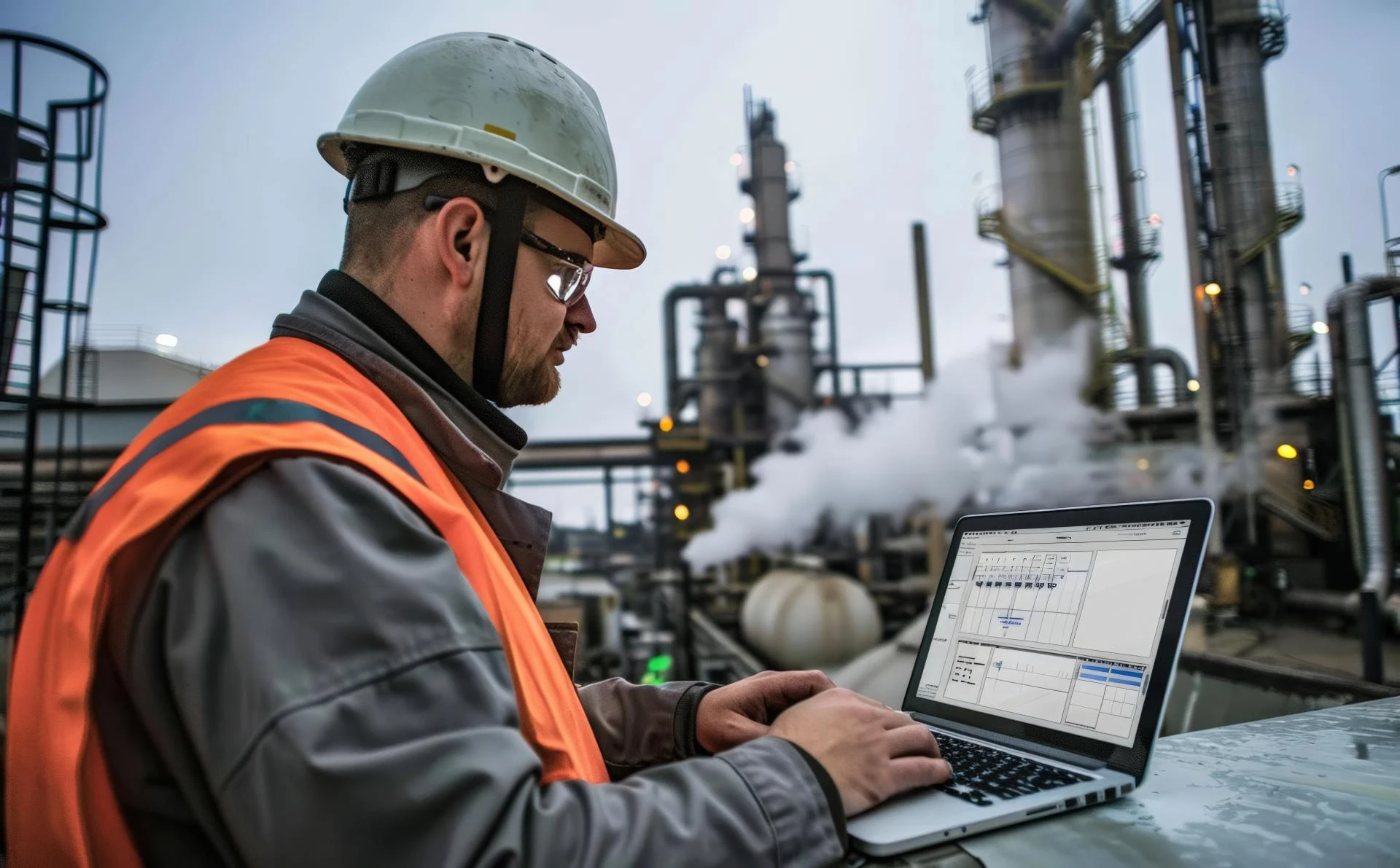

In the upstream oil and gas sector, production is everything. Wells are drilled. Equipment is installed. Oil starts flowing. But after some time, production slows down. Pressure drops. Water cut increases. Sand builds up. And suddenly, crude oil output is not what it used to be.
This is where well-intervention services step in.
Well intervention is not just a technical activity. It is a strategic move in the upstream oil and gas industry. It helps operators restore, improve, and sometimes even extend the life of oil wells. Without it, many wells would simply stop producing. And that means loss. Big loss.
In the oil and gas industry, maintaining production efficiency is a daily challenge. Especially in mature fields. That’s why well intervention plays such a big role in protecting production and supporting overall oil and gas industry performance.
What Are Well Intervention Services?
Well intervention services are operations carried out on an existing well to improve production or fix problems. Simple in definition. Complex in execution.
These services may include:
- Well logging
- Well stimulation
- Sand cleanout
- Scale removal
- Tubing repair
- Artificial lift optimization
In the upstream oil and gas environment, wells face harsh conditions. High pressure. High temperature. Corrosion. Formation damage. All these factors reduce crude oil flow over time.
Well intervention helps correct these issues. It keeps the well alive. It keeps the oil flowing.
Why Does Crude Oil Production Decline Over Time?
This is a question many people entering an oil and gas job often ask.
Oil wells are not permanent fountains. After drilling, natural reservoir pressure pushes crude oil to the surface. But gradually, pressure decreases. Water may enter the wellbore. Gas ratio may change. Blockages may form.
Production declines naturally.
In the upstream oil and gas industry, decline management is a key strategy. Companies cannot afford to drill new wells every time output drops. It is expensive. Risky. Time-consuming.
So instead, they intervene.
How Do Well Intervention Services Improve Production Efficiency?
Production efficiency means getting maximum crude oil output from minimum resources. Less downtime. Less cost. More output.
Well intervention improves efficiency in several ways:
1. Restoring Lost Production
Sometimes production drops due to formation damage or blockage. Acid stimulation or hydraulic fracturing can reopen pathways for oil flow. Once done properly, production jumps.
Not magic. Just science and proper execution.
2. Reducing Downtime
Mechanical failures happen. Tubing leaks. Valves malfunction. With timely intervention, these problems are fixed quickly. The well returns to production faster.
In the oil and gas industry, downtime means revenue loss. Even one day matters.
3. Enhancing Artificial Lift Performance
Many wells depend on artificial lift systems like ESPs or gas lift. If these systems are not optimized, efficiency drops. Through intervention, engineers adjust and upgrade systems to improve crude oil lifting capacity.
Better lift. Better flow. Better numbers.
4. Extending Well Life
Some wells are considered “dead” too early. But with proper well intervention, they can produce for many more years.
In the upstream oil and gas world, extending asset life is a big win. It reduces the need for new drilling and saves capital.
What Are the Different Types of Well Intervention?
Well intervention is generally divided into three main categories:
Light Intervention
Performed without heavy rigs. Includes wireline services and minor repairs. Cost-effective and faster.
Medium Intervention
May involve coiled tubing operations. Used for cleanouts, stimulation, and scale removal.
Heavy Intervention
Requires workover rigs. Major repairs, tubing replacement, or recompletion. More complex. More investment.
Each type supports the upstream oil and gas industry in different ways. Selection depends on well condition and production goals.
How Does Well Intervention Support the Upstream Oil and Gas Industry?
The upstream oil and gas industry depends heavily on production optimization. Exploration and drilling are only the beginning. Real value comes from sustained crude oil production over time.
Well intervention supports this by:
- Improving recovery rates
- Maintaining reservoir health
- Reducing operational risks
- Controlling production costs
- Supporting sustainability goals
For companies working in oil and gas services, well intervention creates huge opportunities. It generates technical demand. Skilled manpower is required. Engineers, supervisors, and field operators. Many oil and gas job roles are directly linked to intervention activities.
This is why well intervention is not just technical work. It is an employment driver in the oil and gas industry.
Is Well Intervention Cost-Effective Compared to Drilling New Wells?
Drilling a new well costs millions of dollars. It involves exploration risk, environmental approvals, and long timelines.
In comparison, well intervention is usually faster and less expensive. It uses existing infrastructure. The reservoir is already known. Risk is lower.
In the upstream oil and gas sector, companies focus on maximizing existing assets before investing in new ones. Intervention supports this strategy strongly.
What Challenges Are Involved in Well Intervention?
Of course, it is not always simple.
Well intervention operations can face:
- High-pressure zones
- Equipment failure risks
- Safety hazards
- Offshore weather conditions
- Skilled manpower shortages
Safety is critical. In oil and gas operations, even small mistakes can cause major incidents. Proper planning, trained teams, and strict safety standards are required.
Still, despite challenges, the benefits often outweigh the risks.
The Future of Well Intervention in Crude Oil Production
Technology is changing fast. Digital monitoring. Real-time data analytics. Smart well systems.
In modern upstream oil and gas operations, intervention decisions are now data-driven. Engineers analyze well performance trends and predict when intervention is needed. Preventive action is becoming common.
This further improves crude oil production efficiency.
Automation and remote operations are also growing. Which means oil and gas job profiles are evolving. More technical knowledge. More digital skills.
The future of the oil and gas industry will depend not only on finding new reserves but also on managing existing wells more intelligently. Well intervention will remain central to this approach.
Conclusion
Crude oil production efficiency does not happen by chance. It requires monitoring. Maintenance. Strategy.
Well intervention services play a powerful role in sustaining and enhancing production in the upstream oil and gas sector. They restore output. Reduce downtime. Extend well life. And protect investments.
For companies, it means better returns.
For engineers, it means opportunity.
For the oil and gas industry, it means stability.
In a world where energy demand continues to grow, maximizing every barrel matters. And well intervention makes sure those barrels keep flowing.
Read Also- The Key Factors to Evaluate an Upstream Oilfield Services Provider



























Sign in to leave a comment.