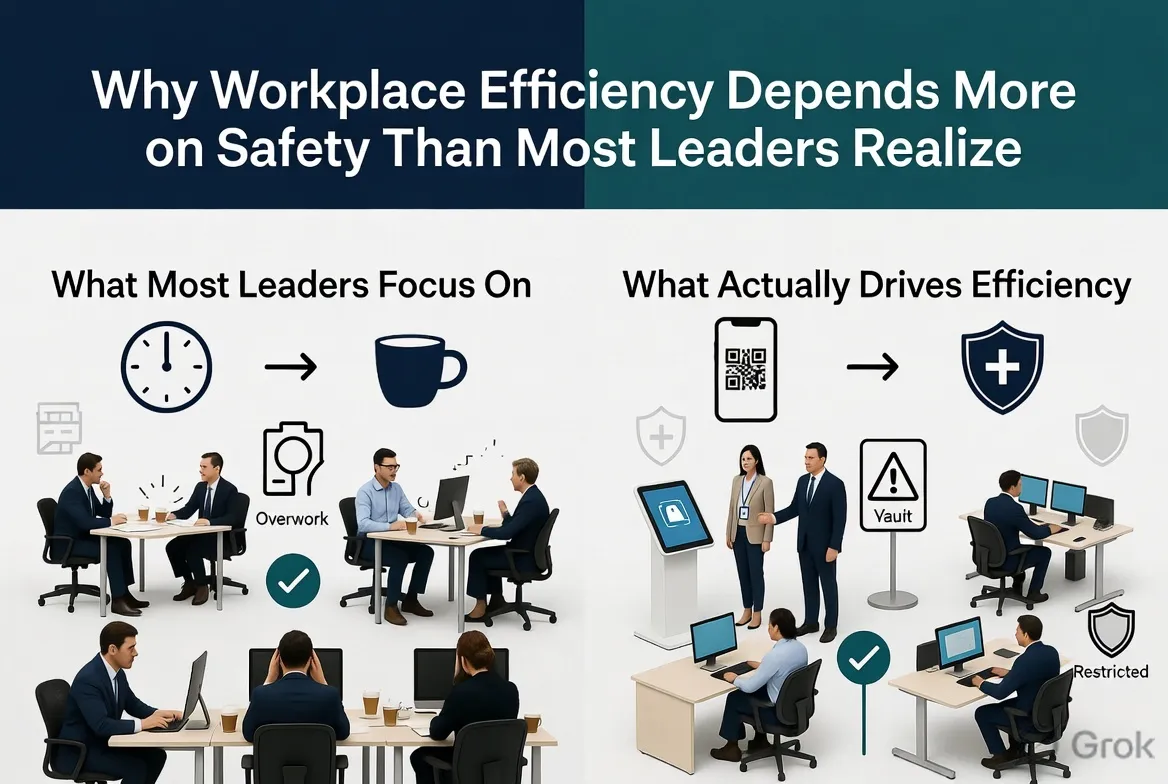

Efficiency does not often break down all at once in the workplace. Instead, it breaks down gradually over time due to minor frictions that no one formally complains about but which everyone avoids by maneuvering around. The contractor standing in the lobby because no one acknowledged his presence. The receptionist who is distracted from her job because she has to register the vendor manually.
These are not exceptions, but regular problems.
When Approvals Don't Travel With the People They Approve
Workplace efficiency is often slowed down by communication. This is not about problems but small ones that happen every day. For example a department head says a vendor can visit. They do not tell the front desk. Then the vendor shows up. Nobody knows what to do with them. These small problems do not usually show up in reports about how people are working.. They cause little delays and people have to keep asking for the same information over and over. This makes staff very frustrated over time. Companies that have a system for communication and make sure everyone knows what is happening, do better than companies that just rely on people remembering things or talking informally.
From Paper Logs to Productive Lobbies
The way an office manages its visitor entry system reveals more about their operational efficiency than one may expect. Using pen and paper for a lobby sign-in system and relying solely on oral information makes not only the security vulnerabilities, but also decreased productivity. Time is being lost on paperwork, staff are being taken from their duties to guide visitors who had not signed in.
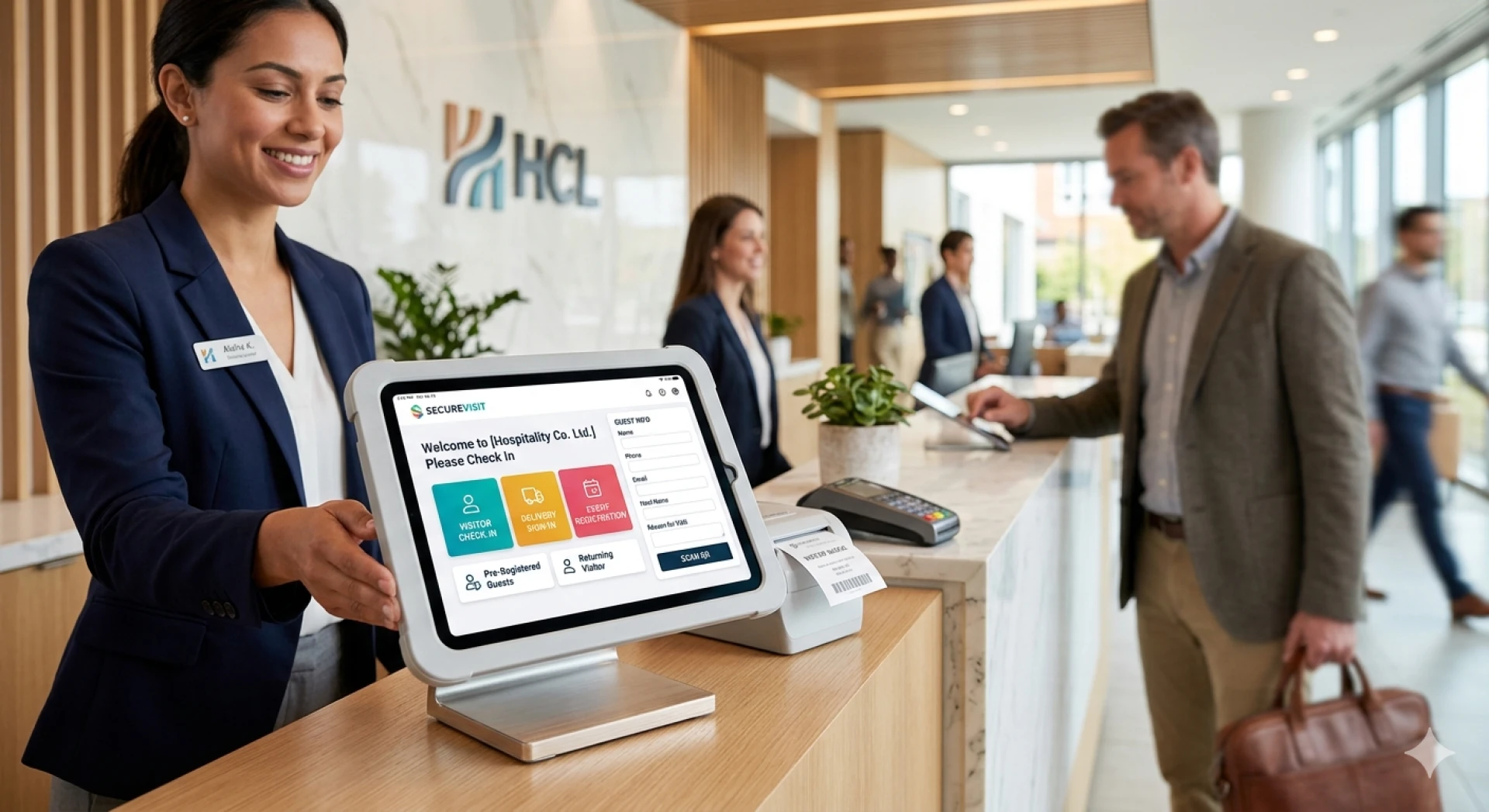
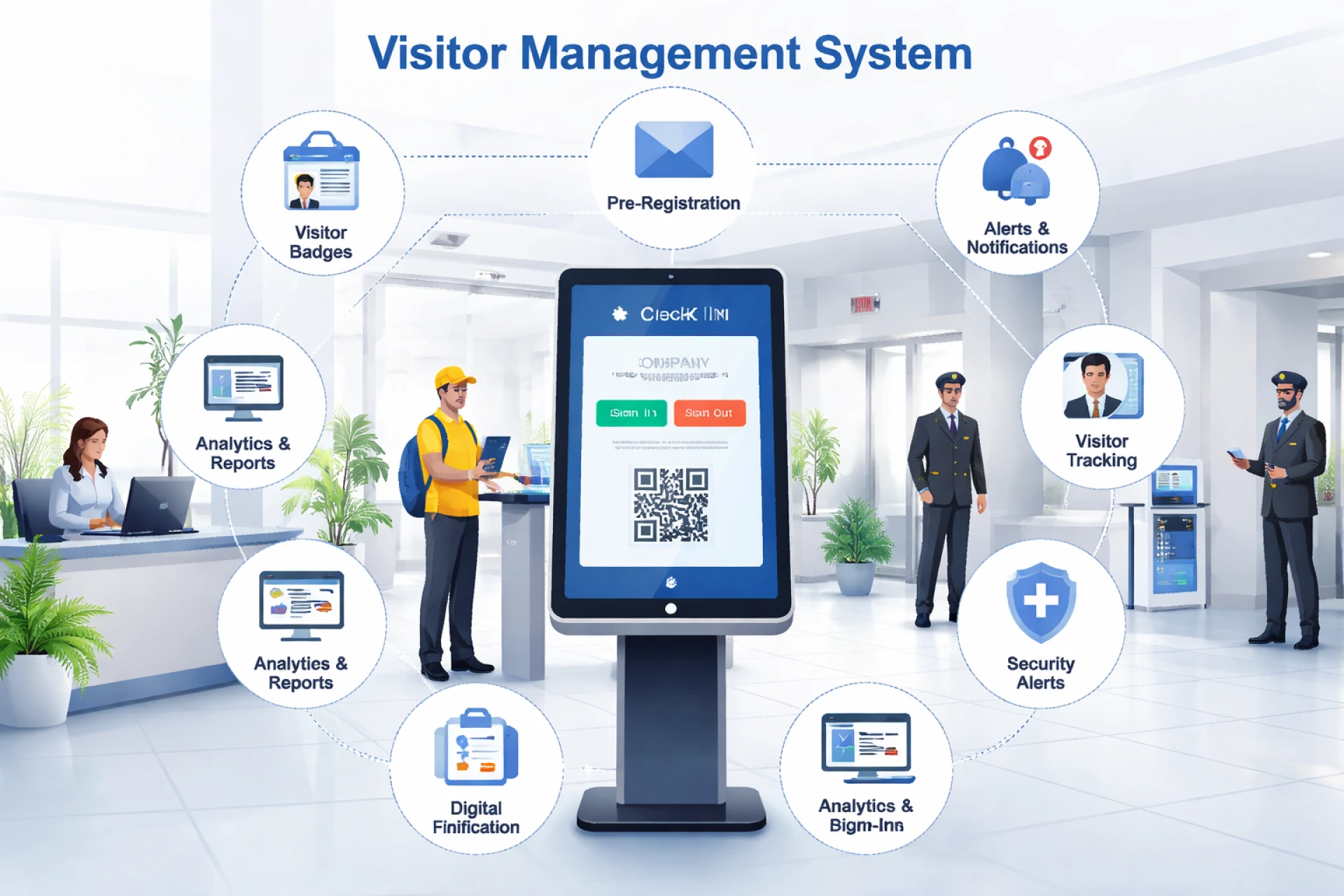
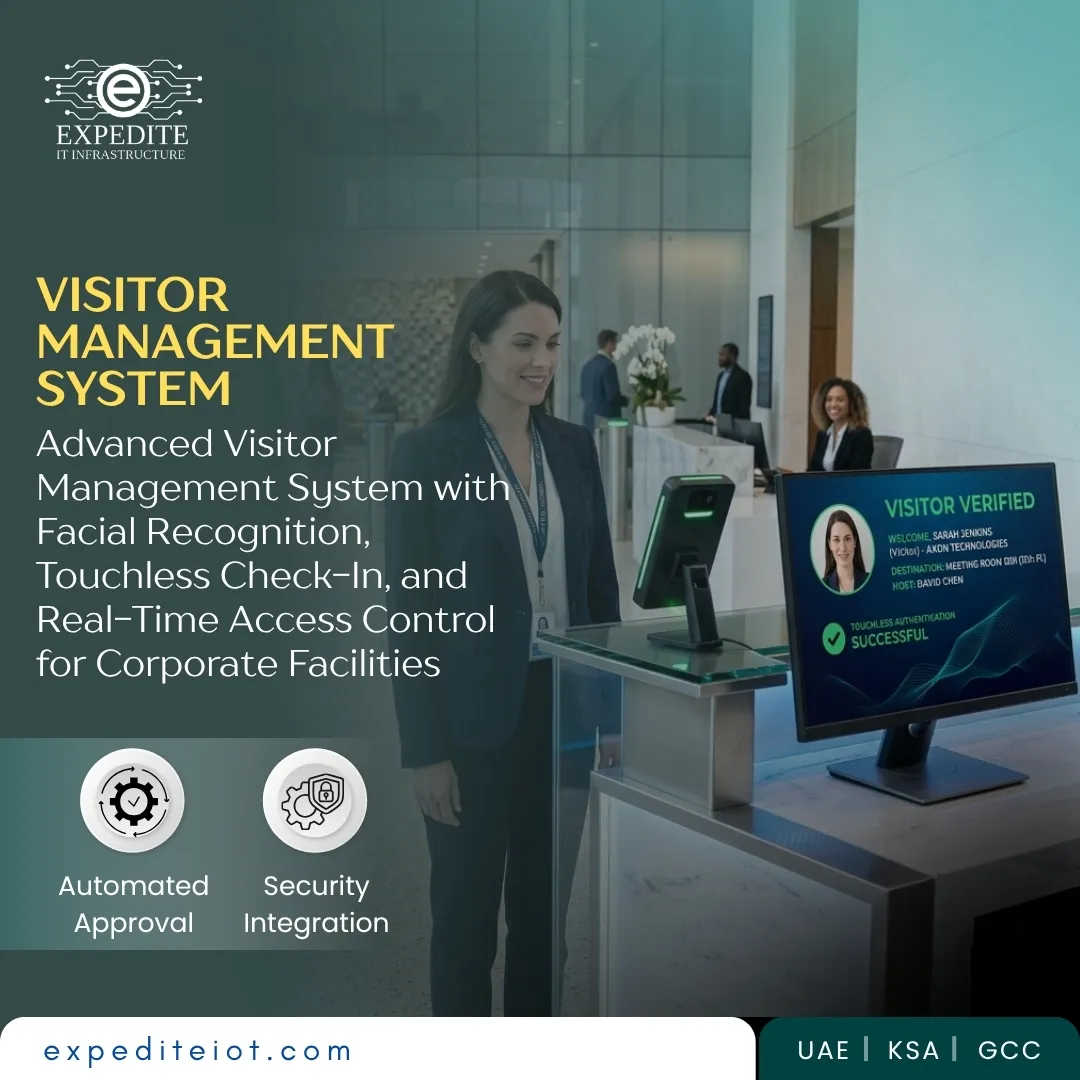
A Visitor Sign-In App minimizes many issues like this. If a visitor registers in advance, signs in using a kiosk system, and sends an automatic notification to their host, the whole procedure can be done without any involvement from the office’s employees. The hours saved by offices dealing with a lot of visitors on a daily basis will be measurable.
Apart from the efficiency gained by saving time, a Visitor Sign-In App creates data logs useful for legal purposes, counting in emergencies, and auditing purposes.
Unclear Roles and Duplicated Effort
When roles are not clearly defined, there will either be duplicity of work or non-performance of tasks. Duplicity of work causes wastage of resources, while the non-performance of tasks may result in failure to meet deadlines and even go unnoticed. Role clarification is one of the more dependable methods of increasing efficiency in the workplace.
Technology That Creates Work Instead of Reducing It
One of the funniest things about inefficiency is a poorly adopted technology. Project management software that’s not used by everyone. Visitor logs being kept in two different places due to lack of trust in switching systems. The end result is that you have twice the effort for half the reward.
Technology does what it was designed to do when fully adopted, training completed, and workflow compatible with the new system.
Efficiency in the workplace is made up of lots of little things done properly. Organizations that run the most smoothly aren't trying desperately for a magical change; it's those who realize the importance of eliminating even the smallest kinds of friction.


























Sign in to leave a comment.