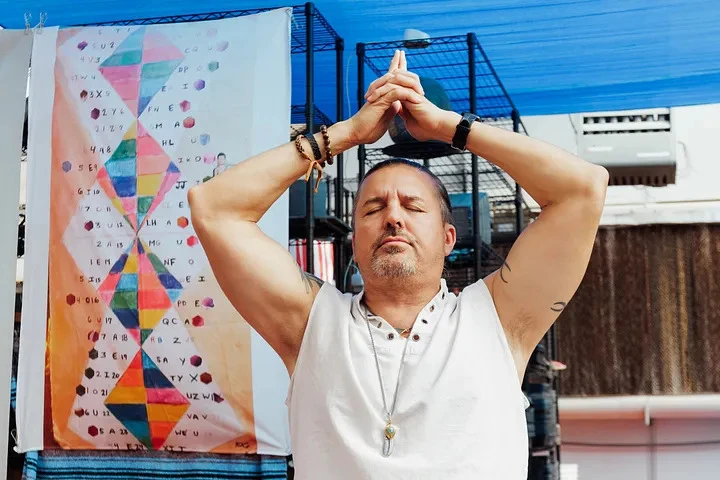

Most people arrive at their first Ayahuasca ceremony carrying the same quiet question: What actually happens in there?
You can read books, watch documentaries, or listen to friends describe their journeys, but the experience itself tends to live outside normal language. What makes the ceremonies at 963 Tribe Church so different is that the entire process is held within a faith-based community that treats this work as a form of communion with the Creator. People don’t show up for a high or a thrill. They come because something inside has been whispering for a while that they need a deeper kind of clarity.
If you’ve been curious about Ayahuasca retreats, spiritual healing, or what a safe, structured ceremony looks like, this guide will walk you through the full arc of the experience at 963 Tribe Church. I’ll weave in stories, practical details, and insights from the community, along with references from the church’s teachings, social platforms, and resources. Think of this as sitting down with a friend who’s already been there and wants to help you understand the path without trying to sway you toward anything.
Why People Feel Called to a Ceremony
Before anyone steps into the ceremonial space, there’s usually a moment where something shifts. A person realizes they’re tired of carrying the same emotional weight. Or they’ve reached a point where the outer world looks fine, but inside something feels off-center. Sometimes people come after reading a post on the 963 Tribe, or stumbling across a ceremony announcement on the church’s Instagram. Others find their way through friends, or through a quiet sense of spiritual intuition that won’t go away.
963 Tribe Church describes Ayahuasca as a holy sacrament, a gift from Pachamama, given to help people reconnect with the Divine and with themselves. For many in the tribe, the first step wasn’t about seeking answers. It was more like being reminded that something in them was still alive and waiting to be acknowledged.
Arriving at 963 Tribe Church: The Atmosphere Behind the Scenes
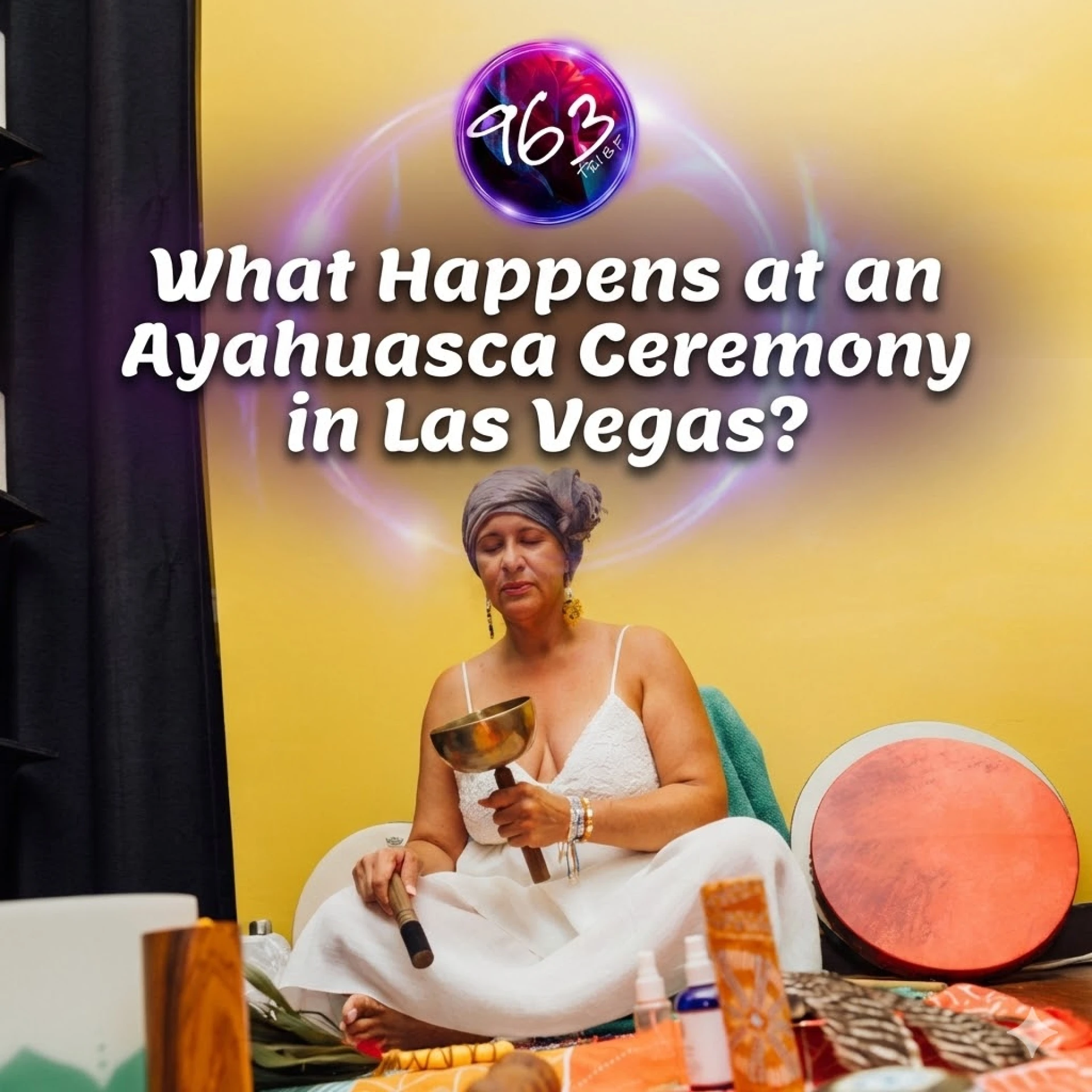
People imagine wild visuals, intense rituals, or something dramatic, but the environment at 963 Tribe Church is surprisingly grounded. When you walk into the temple space, you feel how intentional the setting is. The lights are soft. Blankets and mats line the room. Instruments rest near the altar. The facilitators greet you with the kind of calm that comes from doing this work for years.
Some participants arrive early so they can settle in. Others sit quietly in the corner journaling or breathing through pre-ceremony nerves. The facilitators begin checking in, making sure everyone has followed the preparation guidelines shared on the church’s Ayahuasca. Those guidelines include dietary restrictions, avoiding certain substances, and taking time to quiet the mind in the days leading up to the ceremony. The goal isn’t discipline for its own sake. It’s to create a clear inner environment so the sacrament can be approached with presence.
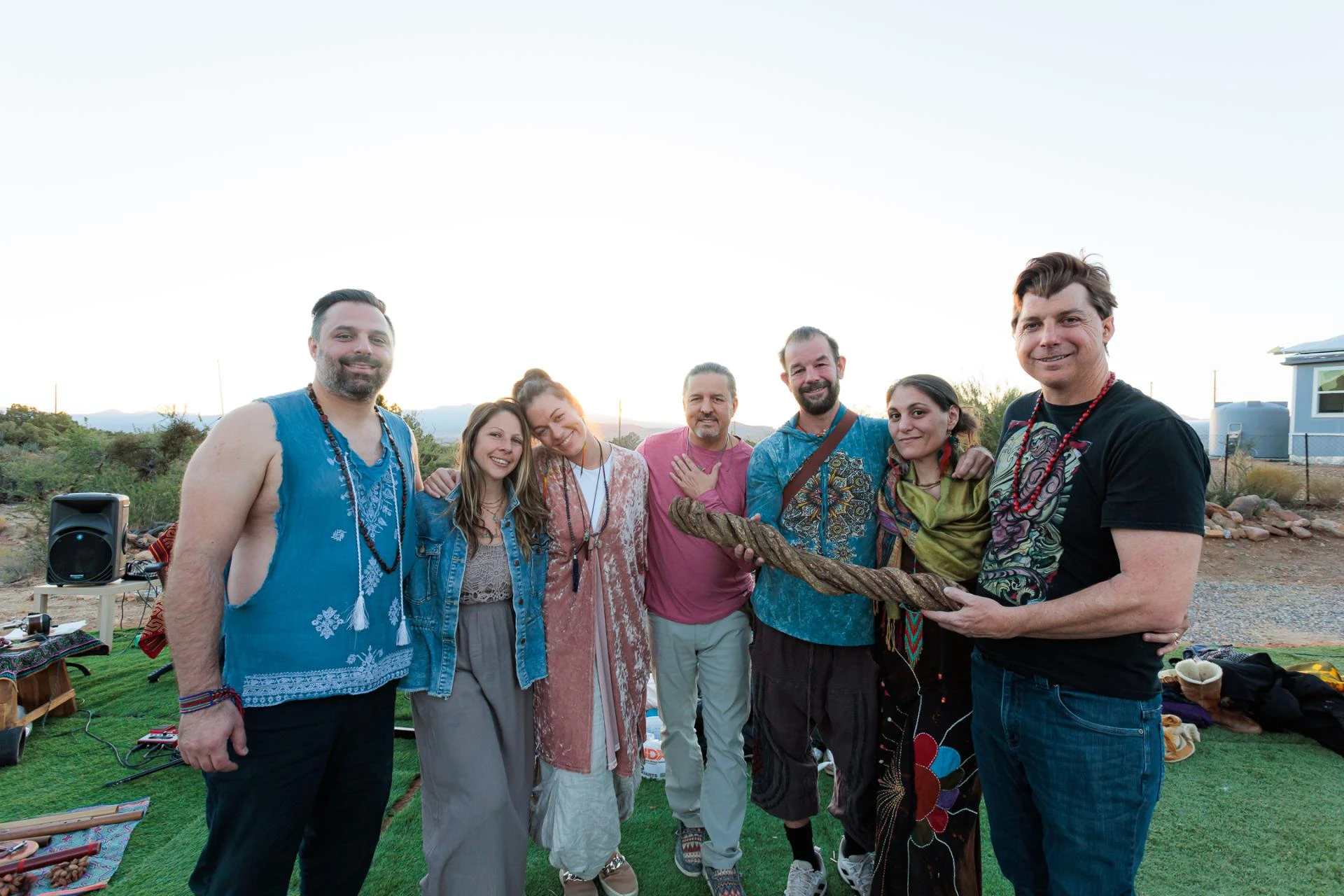
You can feel the community aspect too. People often recognize faces from potlucks, previous gatherings, or workshops shared on the church’s Facebook. There’s a sense that you’re stepping into something held by many hands
The Role of Intention
Before the ceremony begins, each person is encouraged to sit with their intention. Not a wish list. Not a set of demands. More like a conversation with the deepest part of yourself.
Some intentions are simple:
“I want clarity.”
“I want to understand why I feel disconnected.”
“I want to heal my relationship with myself.”
Others are more personal.
People often ask whether Ayahuasca gives you what you want. The facilitators usually put it another way: the sacrament meets you where you are, not where your expectations live. This mirrors teachings you’ll find across several posts on the 963 Tribe Church, especially those that explore how ceremonies work in practice, like “What Really Happens at an Ayahuasca Retreat?
When the Ceremony Begins
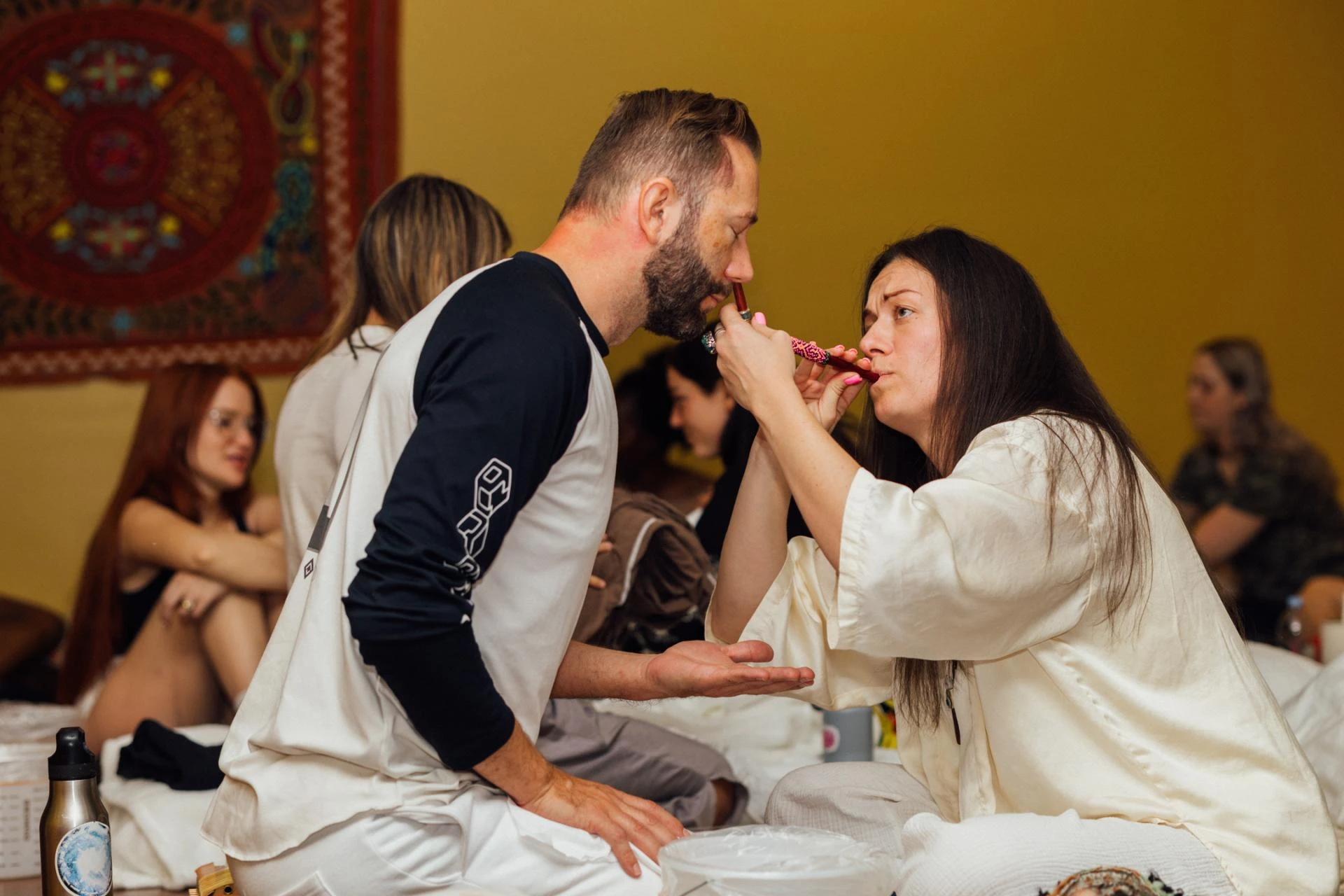
At some point, the room shifts. The facilitators close the space, offer prayers, and begin the ceremonial opening according to the Shipibo-inspired structure honored at the church. Everything slows down. Everything becomes intentional.
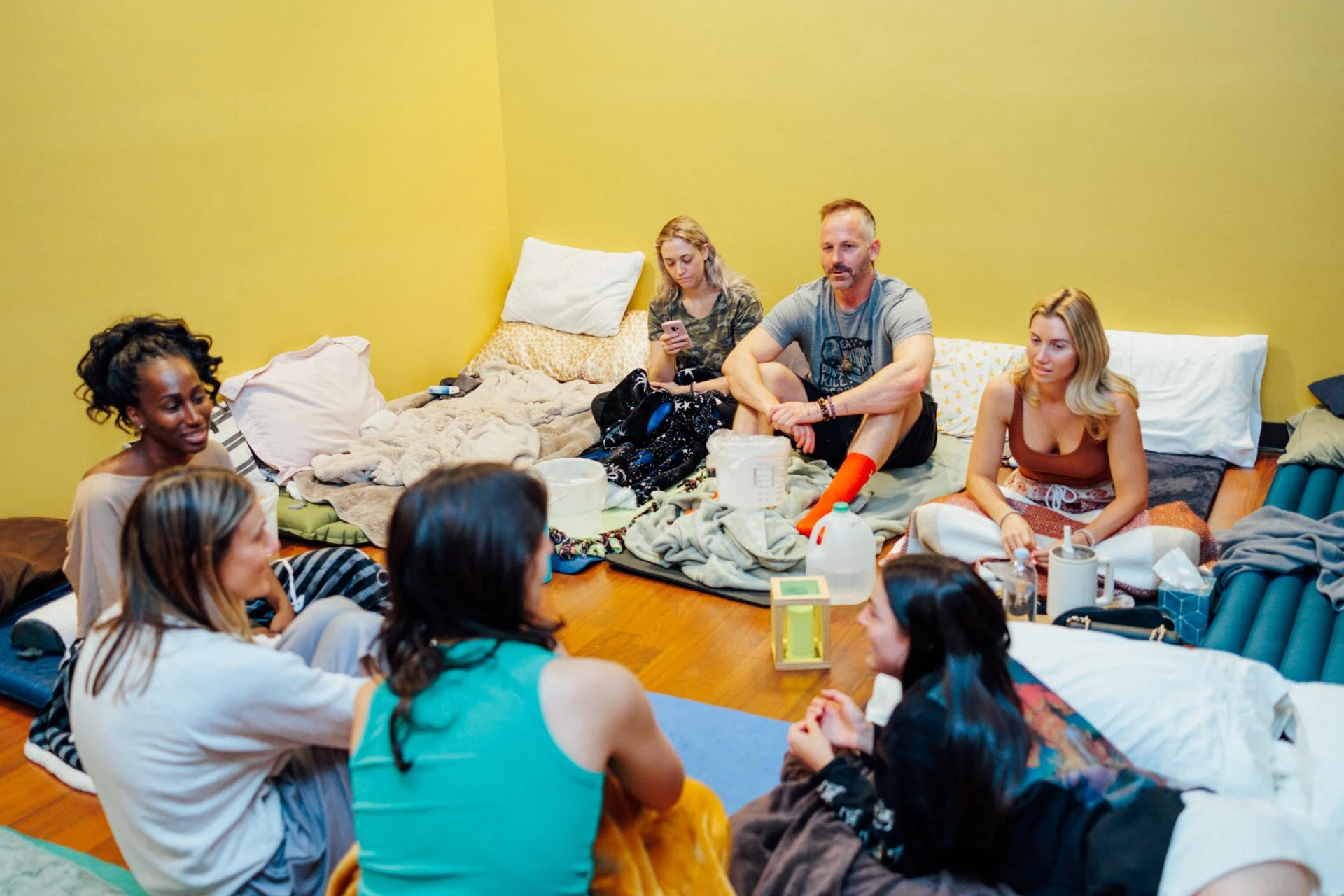
Participants drink the sacrament one at a time. Some sit quietly afterward, focusing on their breath. Others lie down on their mats and close their eyes. There’s a quiet understanding that what happens next is not entertainment or spectacle but a deep inward journey that unfolds differently for every person.
The facilitators hold the energy of the room with music, prayer, and presence. The icaros sung throughout the night, traditional healing songs connected to the lineage, shape the flow of the ceremony. These songs are central to the church’s spiritual practice, and you can learn more about them through the community’s music offerings, shared on their main site.
What People Experience Internally
No two journeys are the same. Some people describe it as moving through memories, emotions, or long-buried stories. Others say it feels more symbolic, like walking through scenes that carry meaning without needing literal explanation.
Many members of the tribe describe their first ceremony as a meeting with themselves, sometimes tender, sometimes intense, often honest. It’s common for emotions to surface. Tears. Relief. Gratitude. Uncertainty. Even humor. Ayahuasca tends to bring contrast. One moment feels soft and loving, the next more challenging. This is consistent with how the church describes the sacrament: a teacher that uses contrast to help people see what has been hidden or ignored.
The facilitators are there throughout the night, not to interfere with anyone’s process but to support the space. If someone needs grounding, a facilitator may sit near them or offer gentle reassurance. The presence of experienced guidance is one of the reasons many people choose to work with a church like 963 Tribe instead of experimenting alone or seeking unregulated retreats abroad.
A Story from the Ceremony Space
One woman shared a story after a recent ceremony. She had arrived carrying a heaviness that she couldn’t shake, grief, confusion, and a sense of being lost. She said that during the ceremony, she felt as though she was being shown the roots of her sadness, not as punishment but as a way to understand what had been weighing her down. She described it like sitting with a wise grandmother who wanted her to see her own strength. She didn’t talk about hallucinations or visuals. She talked about recognition.
After the ceremony, she said she felt something she hadn’t felt in years: a sense that she was allowed to breathe again.
Stories like this show up in community gatherings, in integration circles, and sometimes in the comments on the church’s YouTube channel. They’re not framed as medical claims. They’re framed as honest human experiences inside a spiritual community.
The Closing of the Ceremony
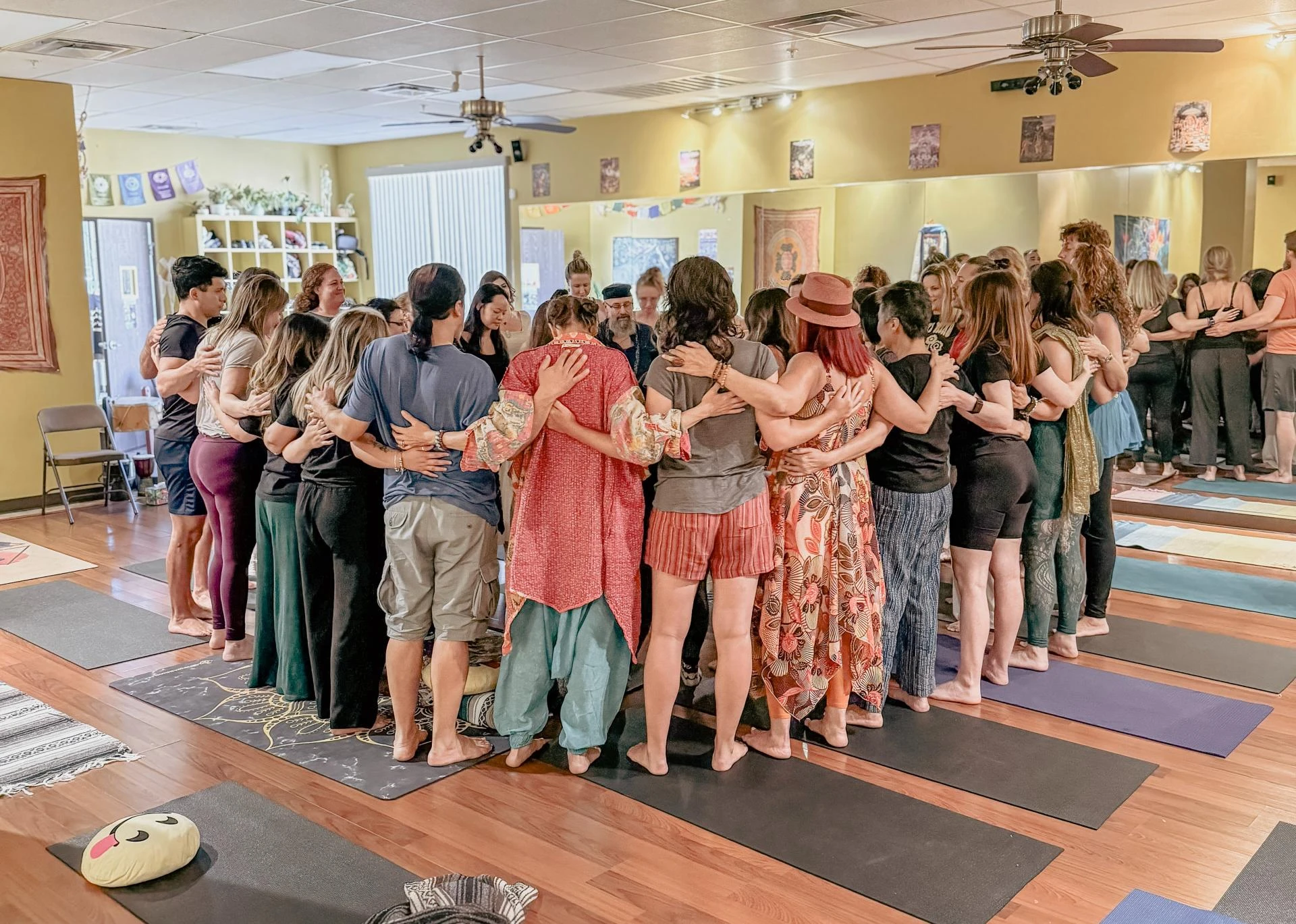
As the night winds down, the facilitators begin to bring everyone back into the shared space. The music softens. The energy relaxes. People slowly return to their bodies. Some sit up and look around quietly. Others stay wrapped in blankets, reflecting on what they experienced.
There isn’t pressure to talk. Sometimes silence says more than words can. Eventually, participants gather in a gentle circle. Anyone who wants to share may do so, but nobody is pushed. The facilitators remind everyone that integration is as important as the ceremony itself, and they point newcomers toward resources available on the church’s integration.
Some people stay overnight. Others leave after they feel grounded. The facilitators emphasize safety, patience, and rest during this transition.
The First 24 Hours After the Ceremony
The morning after a ceremony often feels different for each person. Some feel clear and peaceful. Others feel introspective or tired. Most are processing what unfolded. The church encourages gentle care during this period: light foods, hydration, quiet environments, and time outdoors. These suggestions align with the post-ceremony guidelines outlined on the Ayahuasca page.
Participants are reminded that integration begins now. Some choose to journal. Others reach out to the tribe through gatherings listed on the community or check the calendar for upcoming circles on the church’s events.
Integration: Where the Real Work Happens
Integration is where the insights gained during the ceremony begin to weave into daily life.
This is the part people often underestimate.
It’s common to feel clarity in the ceremony but uncertainty in the days that follow. That’s why community support matters. Integration circles offered by 963 Tribe help people ground their experiences, understand what arose, and apply the spiritual lessons in a practical way.
The church emphasizes simple practices after ceremony:
• Journaling
• Meditation
• Time in nature
• Limiting overstimulation
• Avoiding major life decisions until the experience has settled
Many find additional support through the church’s resources or by connecting with facilitators who can help offer perspective without interpreting the experience for them.
Integration isn’t about trying to decode every moment. It’s about learning to listen to the wisdom that came through and living from that place over time.
Why Ceremony Within a Faith-Based Community Matters
What sets 963 Tribe Church apart from many Ayahuasca retreats is its foundation as a 501(c)(3) religious organization under the 508(c)(1)(A) provision. This framework holds the ceremonies as expressions of deeply held spiritual beliefs. Participants aren’t treated as customers. They’re welcomed as members of a sacred community engaging in religious practice.
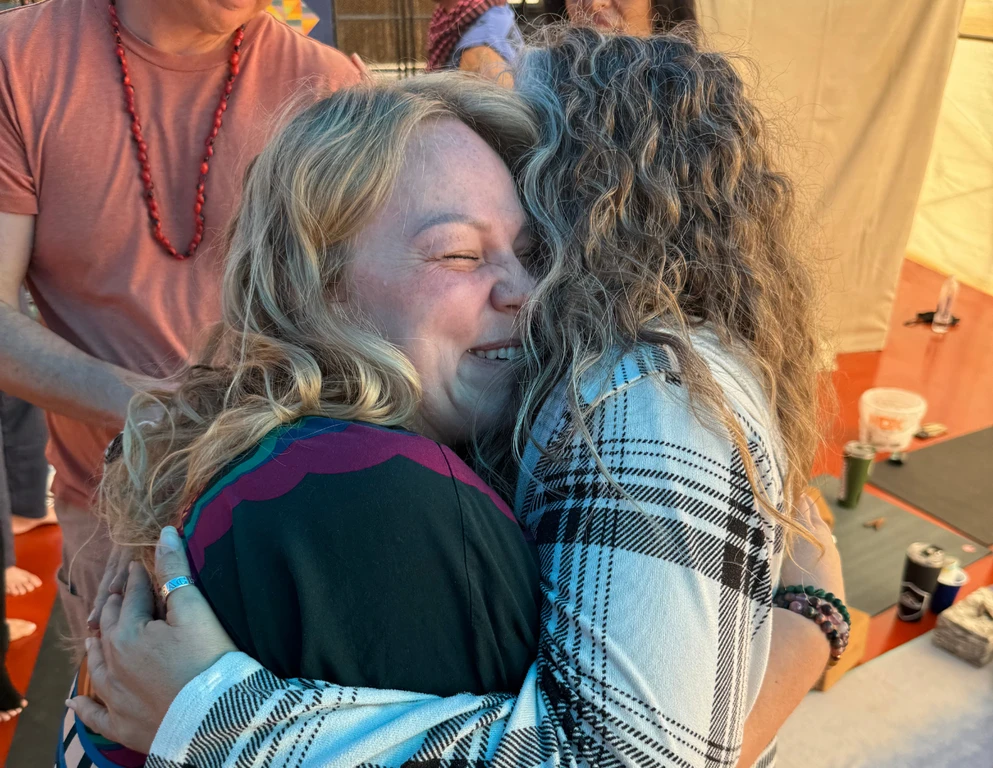
This sense of belonging shows up everywhere: during ceremonies, in online spaces like Instagram or Facebook, at potlucks and gatherings, and in the way the facilitators speak about the sacrament. The church sees these ceremonies not as isolated events but as part of a larger path toward connection with God, Pachamama, and each other.
If someone feels called to explore other sacred sacraments, the church offers information on related practices like Bufo, San Pedro, Ninos Santos, and traditional offerings such as Hapé, Sananga, and Cacao. These pages help explain how each sacrament is understood spiritually within the church’s worldview.
What People Often Learn About Themselves
While every journey is personal, certain themes appear again and again in stories shared in the tribe:
• A reminder of one’s inherent worth
• A sense of reconnection with the Creator
• A release of emotional burdens
• A deeper relationship with community
• An understanding that healing is only part of the path toward joy and purpose
You can see reflections of these themes across the videos on the church’s YouTube channel and throughout stories shared in their blog posts.
These aren’t promises. They’re simply the kinds of insights people often describe after working with the sacrament inside a safe and intentional spiritual environment.
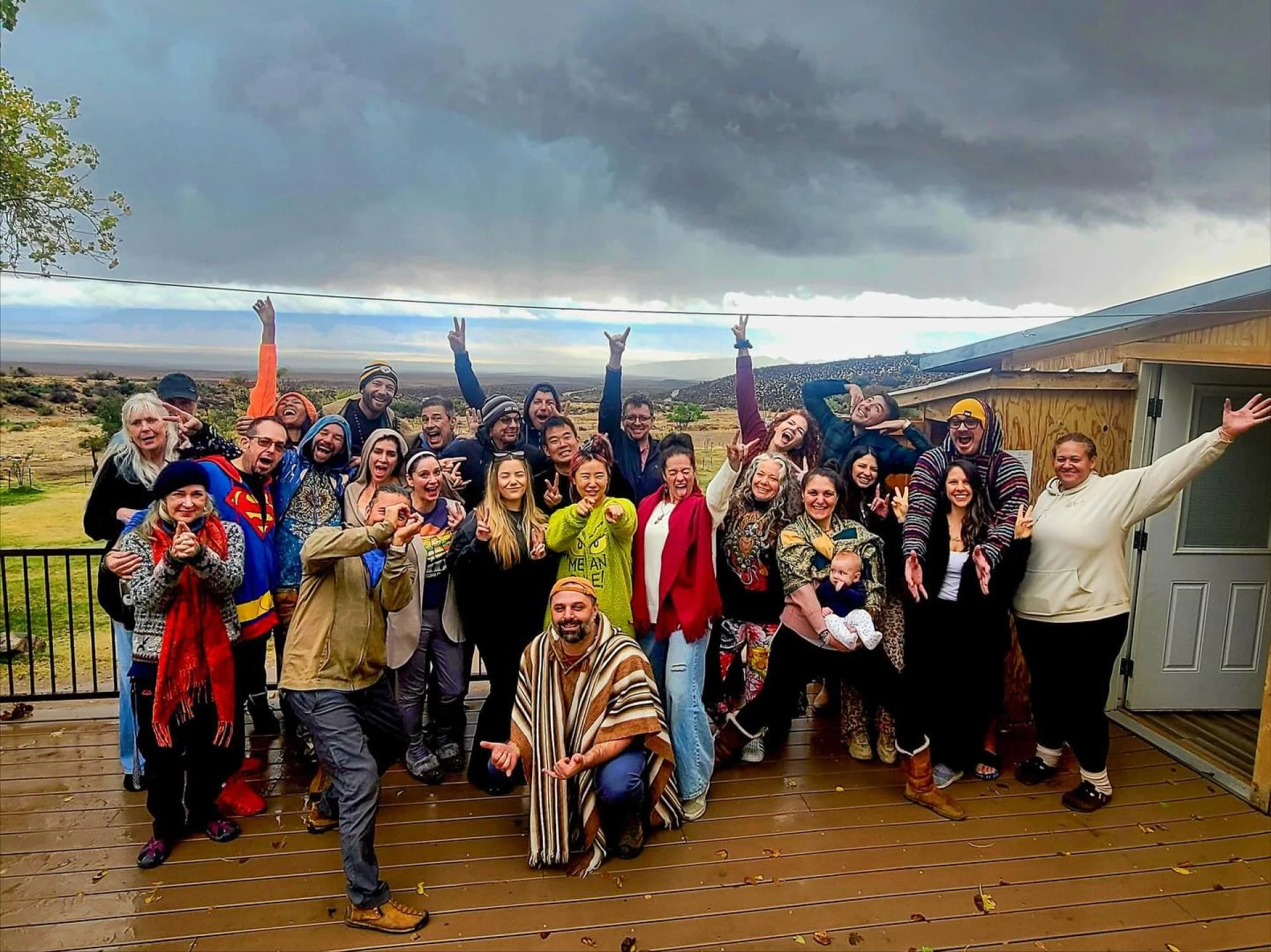
The Spirit of Celebration at 963 Tribe Church
One thing you might not expect from a church that works with sacred sacraments is joy. Not forced positivity, but genuine celebration.
963 Tribe teaches that healing is not the final destination. It’s a clearing that makes space for deeper connection, gratitude, and purpose.
This outlook appears throughout the church’s teachings, including the idea that the 963 frequency symbolizes a pathway to divine alignment. Ceremonies aren’t seen as escapes. They’re seen as moments to realign with the Creator and remember the sacredness of life itself.
How to Know if You’re Ready
Nobody can answer this for you. Not a friend, not a facilitator, not an article. But there are questions you can ask yourself:
• Am I seeking spiritual connection or running from discomfort?
• Am I willing to take the preparation seriously?
• Am I ready to approach the ceremony with humility rather than expectations?
• Do I feel called to this community specifically?
• Am I willing to honor the integration process afterward?
If the answer to any of these feels uncertain, give yourself time. The calling usually grows when the moment is right.
If you feel ready to explore further, you can learn more about upcoming gatherings on the church’s ceremony calendar.
A Final Word for Those Who Are Curious
Understanding what happens in a sacred Ayahuasca ceremony isn’t about memorizing steps. It’s about recognizing that the experience is held within a spiritual community where connection, humility, and intention shape everything.
963 Tribe Church provides a space where people can explore their spirituality in a safe, faith-centered environment guided by experienced facilitators and grounded traditions. If you ever choose to attend, you won’t be walking into a mystery. You’ll be walking into a tribe that takes care of the space, honors the sacrament, and treats every participant with respect.If you want to explore more, the church’s site offers detailed information on ceremonies, retreats, sacraments, integration support, and ways to get involved.
Start with the main Ayahuasca, then explore the wider community through the Tribe or the Get Involved.
If you feel moved to support the mission, you can visit the donation page.
Or, if you simply want to stay connected, follow their updates on Instagram, Facebook, or YouTube.
























Sign in to leave a comment.