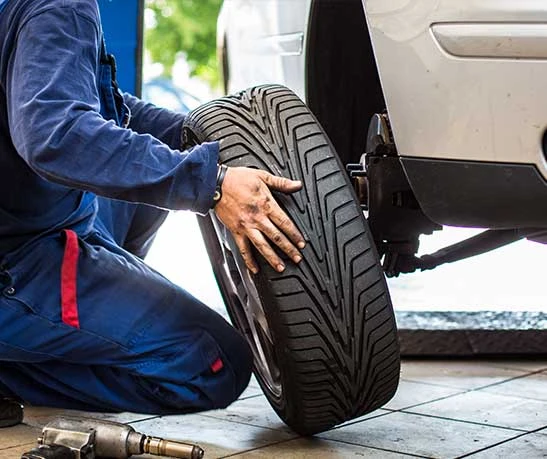

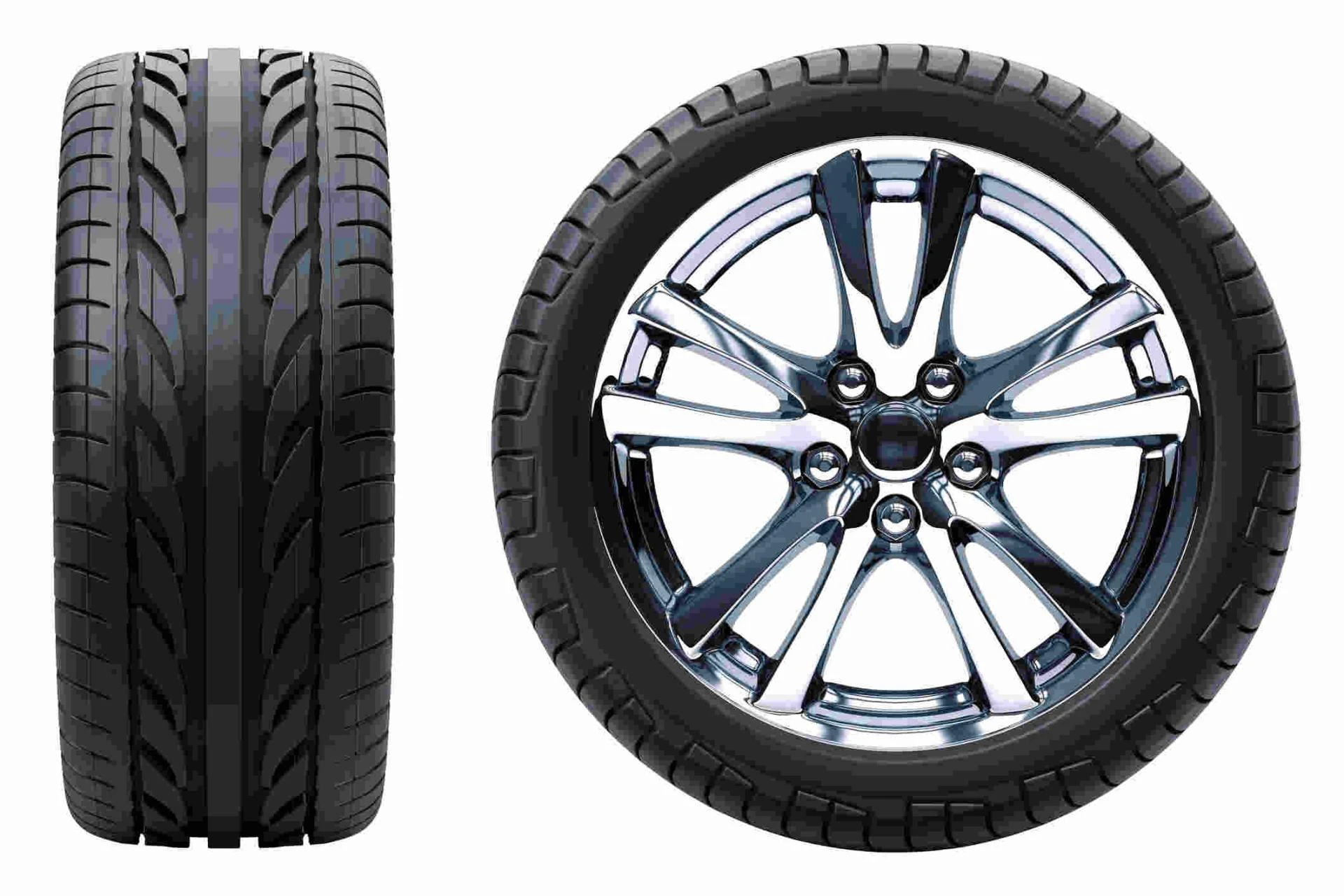
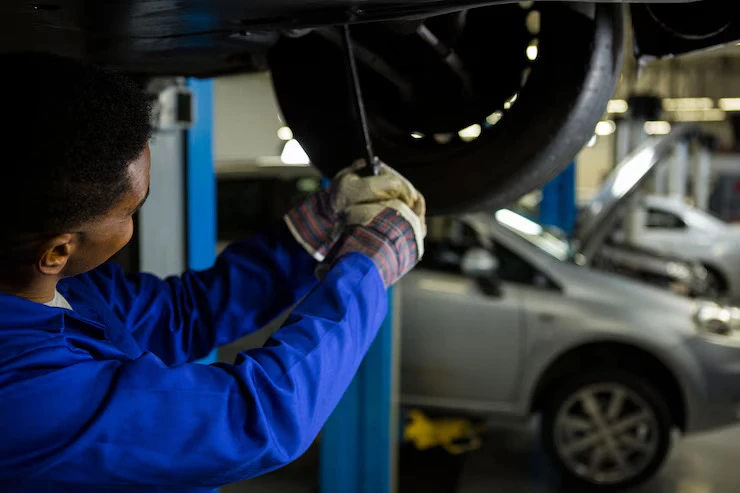
Tire durability is affected by a variety of factors, including driving habits, road conditions, and maintenance. Driving habits: Aggressive driving, such as high speeds and sudden braking, can put extra wear and tear on your tires. Additionally, overloading your vehicle or towing heavy loads can also cause your tires to wear out faster. Road conditions: Certain road conditions, such as rough or poorly maintained roads, can cause more wear and tear on your tires. Potholes, debris, and other hazards can cause damage to the tires, leading to a decrease in durability.Maintenance: Proper tire maintenance is crucial for ensuring tire durability. This includes regularly checking the tire pressure, rotating the tires, and aligning the wheels. Not maintaining your tires can lead to uneven wear, which reduces their overall lifespan. Climate: The climate also plays an important role in determining the durability of tires. Tires exposed to extreme temperatures and weather conditions can degrade faster than tires that are used in more moderate climates.Vehicle usage: The usage of the vehicle also plays a major role in the durability of the tires. Tires on commercial vehicles that are driven for long distances and carry heavy loads will have a shorter lifespan than tires on a personal vehicle that is driven less frequently.Frequently Asked Questions:Q: How often should I rotate my tires?
A: The recommended rotation interval can vary depending on the vehicle and the type of tire. In general, it's a good idea to have your tires rotated every 6,000 to 8,000 miles or at least once a year. Check your vehicle's owner's manual for specific recommendations.Q: How can I tell if my tires are worn out? A: There are a few signs that may indicate your tires are worn out, including:Tread depth is worn down to 2/32 of an inch or lessCracks or cuts in the sidewall of the tireBulges or blisters on the sidewall or treadUneven wear on the treadVibration or shaking while drivingQ: How often should I check my tire pressure?
A: It is recommended to check your tire pressure at least once a month and before long trips. The tire pressure should be checked when the tires are cold, as the pressure can increase when the tires are warm from driving. Conclusion: National Tyres Wolverhampton Tire durability is affected by a variety of factors, including driving habits, road conditions, maintenance, climate, and vehicle usage. Regularly inspecting your tires and maintaining them properly can help to extend their lifespan. Keep in mind that the tire life also depends on the usage of the vehicle and the quality of the tire itself. Regularly check the tire pressure, rotate the tires, and align the wheels to ensure optimal performance and safety on the road.
A: The recommended rotation interval can vary depending on the vehicle and the type of tire. In general, it's a good idea to have your tires rotated every 6,000 to 8,000 miles or at least once a year. Check your vehicle's owner's manual for specific recommendations.Q: How can I tell if my tires are worn out? A: There are a few signs that may indicate your tires are worn out, including:Tread depth is worn down to 2/32 of an inch or lessCracks or cuts in the sidewall of the tireBulges or blisters on the sidewall or treadUneven wear on the treadVibration or shaking while drivingQ: How often should I check my tire pressure?
A: It is recommended to check your tire pressure at least once a month and before long trips. The tire pressure should be checked when the tires are cold, as the pressure can increase when the tires are warm from driving. Conclusion: National Tyres Wolverhampton Tire durability is affected by a variety of factors, including driving habits, road conditions, maintenance, climate, and vehicle usage. Regularly inspecting your tires and maintaining them properly can help to extend their lifespan. Keep in mind that the tire life also depends on the usage of the vehicle and the quality of the tire itself. Regularly check the tire pressure, rotate the tires, and align the wheels to ensure optimal performance and safety on the road.







Sign in to leave a comment.