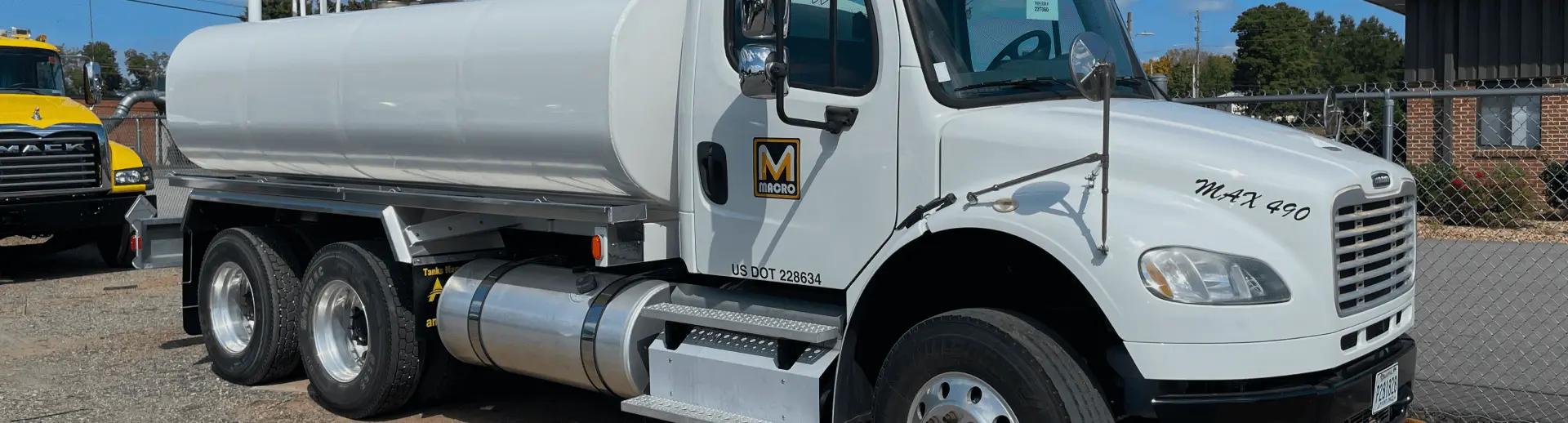

Upgrading your water truck tank is a major decision that directly affects efficiency, safety, and operating costs. Whether you manage a construction fleet, mining operation, or municipal service, the right tank upgrade can significantly improve performance and reliability. From compatibility with a water pump truck to long-term durability, there are several factors that should guide your choice. Below are eight key things to consider when upgrading water truck tanks to ensure you get maximum value from your investment.
1. Tank Capacity and Operational Needs
The first thing to evaluate is capacity. Different jobs require different water volumes, and choosing the wrong size can lead to inefficiencies. Smaller projects may benefit from lighter truck water tanks, while large-scale dust control or road construction often requires higher-capacity options.
When reviewing tanks for water trucks, always consider daily usage, refill frequency, and weight limits of your truck chassis. An upgrade should align with your real operational demands, not just what seems convenient.
2. Compatibility with Your Water Pump System
A tank upgrade should work seamlessly with your existing pump system. A well-matched water pump truck setup ensures consistent pressure, efficient spraying, and reduced wear on components. Poor compatibility can result in uneven flow, pump strain, or system failures.
Before choosing new water truck tanks, confirm that inlet and outlet sizes, pump mounts, and pressure ratings align with your current or planned pump configuration.
3. Material and Build Quality
Material selection plays a critical role in tank lifespan. Common options include steel, stainless steel, and polyethylene, each with its own advantages. Steel truck water tanks offer strength for harsh environments, while poly tanks resist corrosion and reduce overall weight.
High-quality tanks for water trucks should also feature reinforced seams, internal baffles, and protective coatings to withstand vibration, temperature changes, and constant water movement.
4. Weight Distribution and Vehicle Safety
Improper weight distribution can compromise vehicle handling and safety. Upgrading water truck tanks without considering axle load limits and balance may lead to excessive wear on suspension and tires.
Well-designed truck water tanks include internal baffles that reduce water surge, improving stability during braking and cornering. This is especially important for off-road or uneven terrain applications.
5. Industry-Specific Applications
Different industries place different demands on a water pump truck system. Construction sites require reliable dust suppression, while agriculture may need gentle water delivery for irrigation. Mining operations often demand rugged, heavy-duty tanks for water trucks capable of handling abrasive environments.
Understanding how your industry uses water will help you select water truck tanks with the right fittings, spray systems, and durability features.
6. Maintenance and Long-Term Costs
An upgrade should reduce, not increase, your maintenance burden. Easy-access ports, drain valves, and smooth internal surfaces make cleaning and inspection simpler. Poorly designed truck water tanks can lead to sediment buildup, corrosion, and frequent repairs.
When comparing options or browsing water trucks for sale, consider how tank design affects long-term operating costs, not just the upfront price.
7. Compliance with Regulations and Standards
Local and industry regulations may dictate specific requirements for water truck tanks, such as safety markings, overflow protection, or material standards. Non-compliant tanks can result in fines, downtime, or failed inspections.
Reputable manufacturers of tanks for water trucks typically design products that meet or exceed regulatory requirements, giving you peace of mind and smoother operations.
8. New Tank Upgrade vs Buying a New Water Truck
Sometimes upgrading the tank makes more sense than purchasing an entirely new vehicle. However, in some cases, exploring water trucks for sale may be more cost-effective, especially if your current truck is aging or incompatible with modern tank designs.
When evaluating water trucks for sale, compare the cost of a new unit against the benefits of upgrading your existing water pump truck. A strategic decision here can save money while improving performance.
Final Thoughts
Upgrading water truck tanks is more than a simple equipment change—it’s an investment in productivity, safety, and reliability. By considering capacity, pump compatibility, materials, weight distribution, and long-term costs, you can choose truck water tanks that meet your operational goals.
Whether you’re upgrading an existing unit or evaluating water trucks for sale, focusing on quality tanks for water trucks will ensure your fleet remains efficient and dependable for years to come. A well-planned upgrade keeps your water pump truck performing at its best, no matter the job or industry.





























Sign in to leave a comment.