

Transporting clean drinking water requires specialized equipment designed to meet strict safety and sanitation standards. Whether you operate in construction, municipal services, disaster relief, or agriculture, selecting the right potable water tank truck is essential for delivering safe and reliable water supply. The right truck not only improves operational efficiency but also ensures compliance with health and environmental regulations.
In this guide, we’ll explore the key factors businesses should consider when selecting a potable water transport vehicle and how the right equipment can support long-term operations.
Understanding Potable Water Trucks
Before choosing the right vehicle, it’s important to understand how potable water trucks function. These trucks are specifically designed to transport drinking water that is safe for human consumption. Unlike standard water transport vehicles, they use food-grade materials and specialized tanks to prevent contamination.
Many industries rely on potable water trucks to supply drinking water to job sites, communities, and emergency locations where a direct water source may not be available. The design of these trucks ensures that the water remains clean and safe during transport.
Businesses that frequently provide water delivery services often invest in potable water trucks to ensure reliability and consistent service for their customers.
What Is a Potable Water Truck?
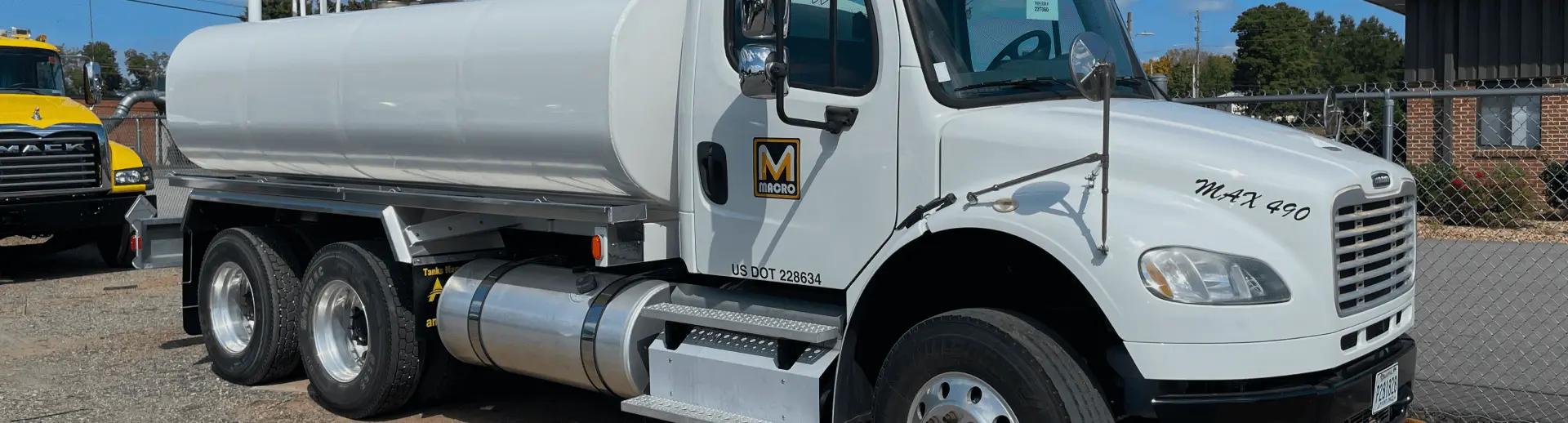
A potable water truck is a vehicle equipped with a tank that is specifically built for transporting drinking water. These tanks are usually constructed from materials that meet health and safety regulations, ensuring that the water remains uncontaminated throughout the transportation process.
Many businesses depend on a potable water truck to deliver water to construction sites, outdoor events, and remote communities. The trucks typically include pumping systems, hoses, and spray features that allow operators to distribute water efficiently.
Another advantage of a potable water truck is its ability to transport large quantities of drinking water in a single trip, making it a reliable option for large-scale operations.
Key Features of a Potable Water Tank Truck
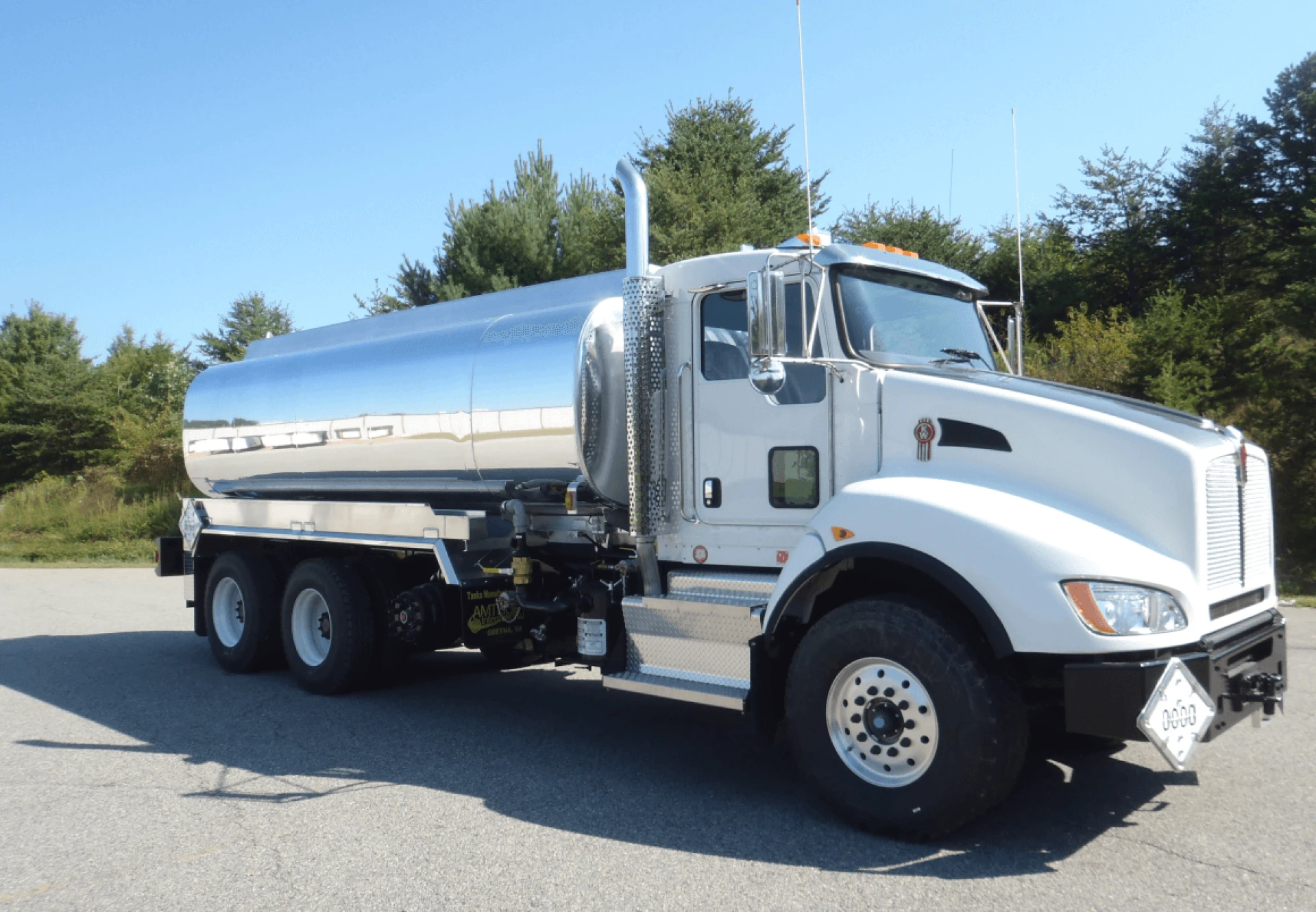
When selecting a potable water tank truck, businesses should carefully evaluate the features that affect performance and safety. Tank material is one of the most important considerations. Stainless steel or specially coated tanks are commonly used to maintain water quality.
Another factor to consider when choosing a potable water tank truck is capacity. Businesses must determine how much water they need to transport daily and select a tank size that meets those requirements.
A well-designed potable water tank truck may also include advanced pumping systems and distribution equipment, making it easier to deliver water quickly and efficiently.
Companies that invest in the right potable water tank truck often experience improved productivity and better service reliability.
Choosing the Right Potable Water Tanker
Capacity and durability are key factors when selecting a potable water tanker. Businesses must consider the amount of water they need to transport and the distance between supply points and delivery locations.
A properly designed potable water tanker ensures that drinking water is transported safely without contamination. Features such as internal tank coatings, sealed valves, and proper ventilation systems play an important role in maintaining water quality.
Another advantage of a potable water tanker is its ability to support large-scale water delivery operations, particularly in industries that require frequent transportation of drinking water.
Companies that depend on regular water distribution often choose a potable water tanker to ensure efficient and consistent supply.
Industries That Use Potable Water Trucks
Many industries rely on potable water trucks to provide safe drinking water in locations where permanent water infrastructure is unavailable. Construction companies frequently use these trucks to supply water to workers on remote job sites.
Agricultural operations also depend on potable water trucks to provide drinking water for employees working in the field. In emergency situations, these trucks play a critical role in delivering water to communities affected by natural disasters or infrastructure failures.
Municipal services often operate potable water trucks as part of their emergency response systems to ensure residents have access to safe drinking water during repairs or outages.
The versatility of potable water trucks makes them valuable assets across multiple industries.
Tips for Making the Right Investment
Selecting the right potable water truck requires careful evaluation of operational needs, budget, and long-term goals. Businesses should consider factors such as tank capacity, material quality, and pumping capabilities before making a purchase.
Another important consideration when purchasing a potable water truck is compliance with health and safety regulations. Ensuring that the vehicle meets industry standards helps protect both the business and its customers.
Companies that choose the right potable water truck can improve efficiency, maintain water safety, and build a reliable service operation.
Final Thoughts
Choosing the right potable water tank truck is a crucial step for businesses that transport drinking water. The right vehicle helps maintain water quality, improve efficiency, and support reliable service delivery.
By carefully evaluating equipment features, capacity requirements, and operational needs, businesses can find the solution that best fits their operations. Investing in the right equipment ensures that clean and safe drinking water can be delivered wherever it is needed.





















Sign in to leave a comment.