

In the modern business world, energy efficiency is a key factor for reducing operational costs and improving sustainability. Commercial buildings, in particular, are significant energy consumers. Energy Efficiency Consultants play a crucial role in helping businesses identify, assess, and implement strategies to optimize energy usage. These experts are essential for organizations seeking to cut down on energy costs while also contributing to a greener environment.
This article will explain the responsibilities of an energy efficiency consultant, the benefits of hiring one for commercial buildings, and the various services they offer to improve energy use in business facilities.
The Role of an Energy Efficiency Consultant
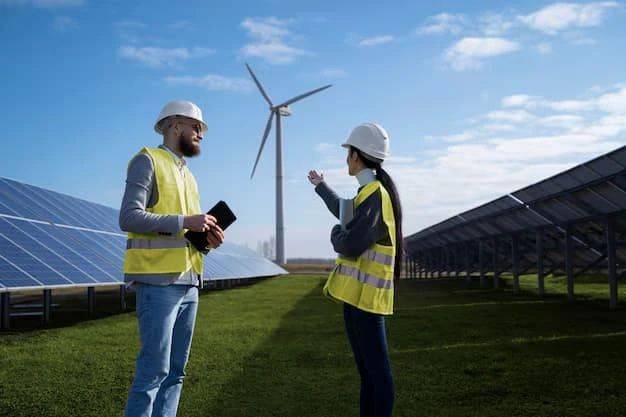
Energy efficiency consultants are professionals who specialize in evaluating and improving the energy performance of buildings and facilities. Their primary objective is to help businesses use energy more efficiently, reduce waste, and lower energy bills. These consultants work with property managers, building owners, and facility staff to develop customized solutions for energy optimization.
Consultants are often involved in both new construction projects and the retrofitting of older buildings. They take a comprehensive approach by considering all aspects of a building's energy use, from HVAC systems to lighting, insulation, and even the behavior of the building’s occupants.
Energy Audits: The First Step Toward Efficiency
One of the first steps an energy efficiency consultant takes is conducting an energy audit. An energy audit is a detailed assessment of a building's energy use, identifying areas where energy is being wasted. This audit typically includes an examination of the building’s heating, cooling, lighting, and electrical systems, as well as an analysis of how energy is used in daily operations.
Key Services Provided by an Energy Efficiency Consultant
Energy efficiency consultants offer a variety of services designed to help businesses optimize energy usage and reduce costs. These services can vary based on the specific needs of a building but typically include the following:
Energy Modeling and Simulation
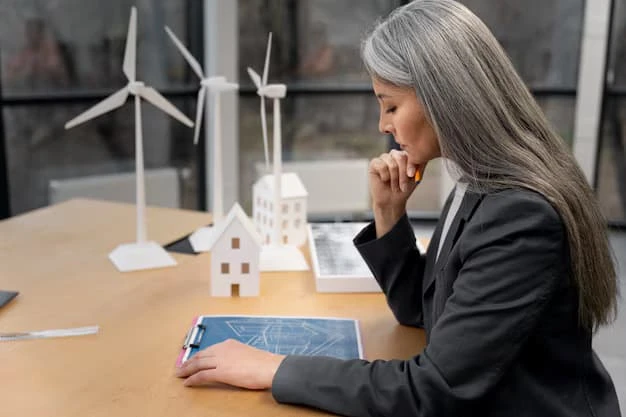
Energy modeling involves creating a computer simulation of a building’s energy performance. By inputting data on building materials, HVAC systems, lighting, and occupancy patterns, the consultant can predict how the building will perform under various conditions.
Using these models, consultants can test different energy-saving strategies before implementing them, which helps businesses avoid costly mistakes. The results of energy modeling allow consultants to propose the most cost-effective energy-saving solutions based on the building’s unique characteristics.
Energy Management Systems (EMS)
For large commercial buildings, an energy management system (EMS) can be a valuable tool in monitoring and controlling energy consumption. Consultants help install and optimize these systems, which track energy use in real time and provide feedback on energy-saving measures.
These systems can automate energy-saving actions, such as adjusting the temperature based on time of day, controlling lighting systems, and optimizing the performance of HVAC equipment. EMS also provides valuable data, which helps in making informed decisions about energy-saving strategies.
Retrocommissioning
Retrocommissioning is the process of improving the performance of an existing building by optimizing its systems and ensuring they are operating efficiently. Often, systems in older buildings are not functioning at their full potential, resulting in wasted energy.
Sustainability and Green Building Certifications
For businesses interested in sustainability, an energy efficiency consultant can assist with obtaining green building certifications such as LEED (Leadership in Energy and Environmental Design) or ENERGY STAR certification. These certifications recognize buildings that meet high environmental standards, and they can offer a competitive advantage in the marketplace.
Energy efficiency consultants guide businesses through the process of achieving these certifications by helping to implement the necessary energy-saving measures and ensuring that the building complies with green building standards. These certifications not only reduce the building’s environmental impact but can also lead to long-term cost savings and improved marketability.
Employee Education and Training
An often-overlooked part of energy efficiency is the behavior of a building’s occupants. Even the most energy-efficient systems can be ineffective if they are not used properly. Energy efficiency consultants work with business owners and employees to educate them about energy-saving practices, such as turning off lights when not in use, adjusting thermostats, and using energy-efficient office equipment.
Training employees on how to manage energy consumption can lead to significant savings over time. Energy efficiency consultants may also offer periodic check-ins and refresher courses to ensure that energy-saving practices are being followed consistently.
Benefits of Hiring an Energy Efficiency Consultant
Hiring an energy efficiency consultant can bring numerous benefits to a commercial building. Some of the most notable advantages include:
Cost Savings
One of the most compelling reasons to hire an energy efficiency consultant is the potential for significant cost savings. By identifying areas of energy waste and implementing more efficient systems, businesses can drastically reduce their energy bills. In many cases, the savings from energy efficiency measures more than offset the initial cost of hiring a consultant.
Improved Comfort and Productivity
Energy efficiency consultants can also improve the comfort of a building. For example, better insulation and more efficient HVAC systems can result in a more consistent and comfortable indoor temperature. This can lead to higher productivity levels among employees and a better overall working environment.
Environmental Impact
Reducing energy consumption is also an effective way to reduce a building’s carbon footprint. By optimizing energy use, commercial buildings can minimize their contribution to greenhouse gas emissions and help create a more sustainable environment.
Increased Property Value
Buildings that are energy-efficient are generally more attractive to potential buyers or tenants. Sustainable, energy-efficient buildings often have a higher market value and are more competitive in the real estate market. Additionally, green certifications like LEED or ENERGY STAR can further increase a building’s value.
Conclusion
Energy efficiency consultants play a vital role in helping commercial buildings reduce energy consumption, cut costs, and contribute to environmental sustainability. From conducting energy audits to implementing energy management systems, consultants offer a range of services that can benefit businesses in both the short and long term. By working with an energy efficiency consultant, companies can ensure they are using energy in the most efficient way possible, ultimately leading to cost savings and a positive impact on the environment.




























Sign in to leave a comment.