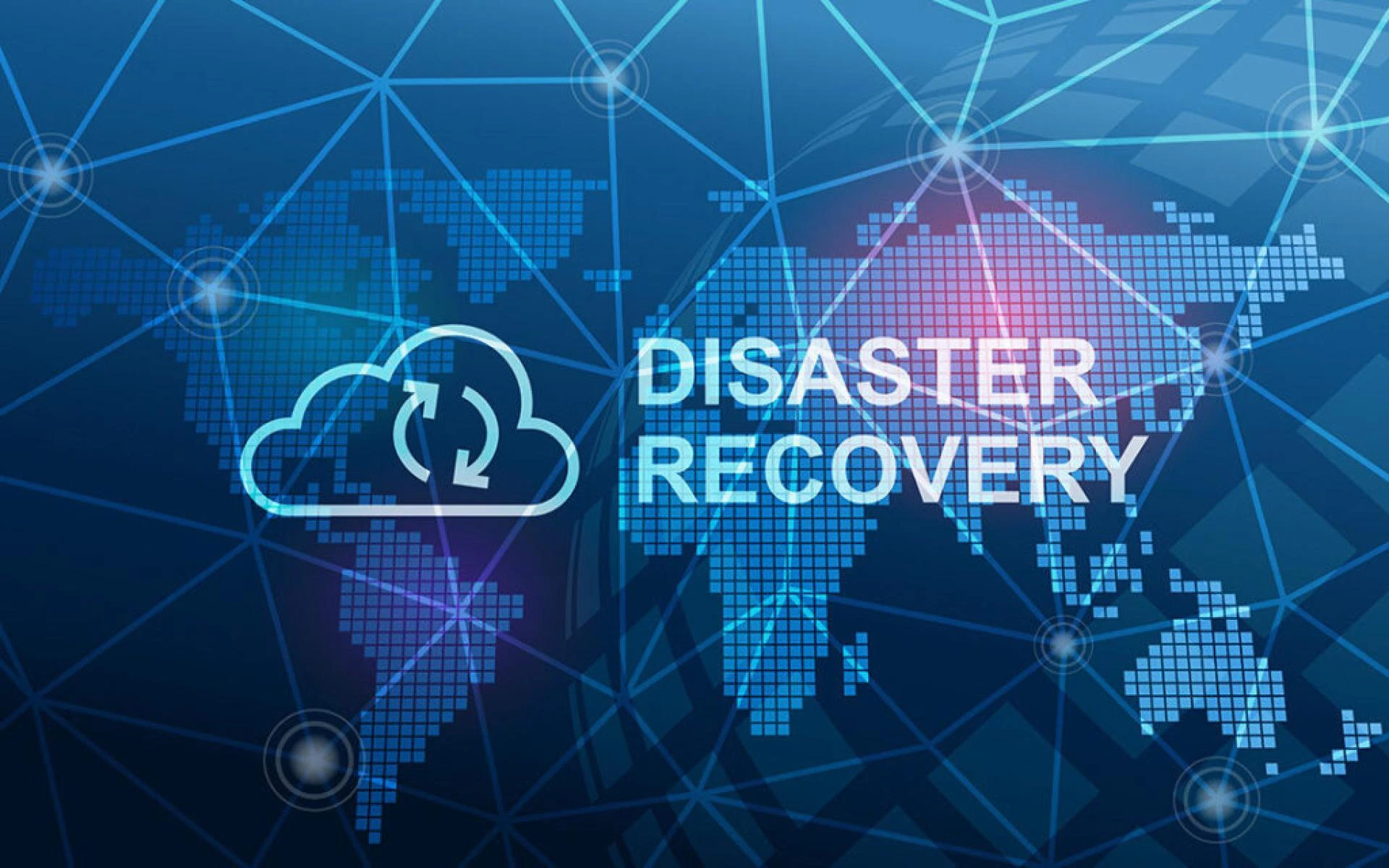

What Are Disaster Recovery Solutions?
Disaster recovery solutions are a set of tools, technologies, and processes that help organizations recover and restore their critical data, systems, and infrastructure in the event of a disaster. Disasters can come in many forms, such as cyber-attacks, hardware failures, or even human errors. Disaster recovery solutions ensure that businesses can quickly resume their operations and minimize the impact of such disruptive events.
Why Is Disaster Recovery Important?
In today\'s world with much digital technology, businesses depend a lot on their data and computer systems to work well. Losing or having problems with these important things can bring very serious results like losing money, hurting the company\'s good name, and sometimes even making the whole business fail. Disaster recovery solutions are very important for keeping business running and protecting a company’s most important assets.
Types of Disaster Recovery Solutions
There are several types of disaster recovery solutions available, each with its own set of features and capabilities. Here are some of the most common types:
1. Data Backup and Restoration:
This means frequently saving copies of a company\'s information in a safe place, like cloud storage or an off-site data facility. If something bad happens, the saved data can be brought back to the main systems so that the business can start working again quickly.
2. Virtualization and Cloud Computing:
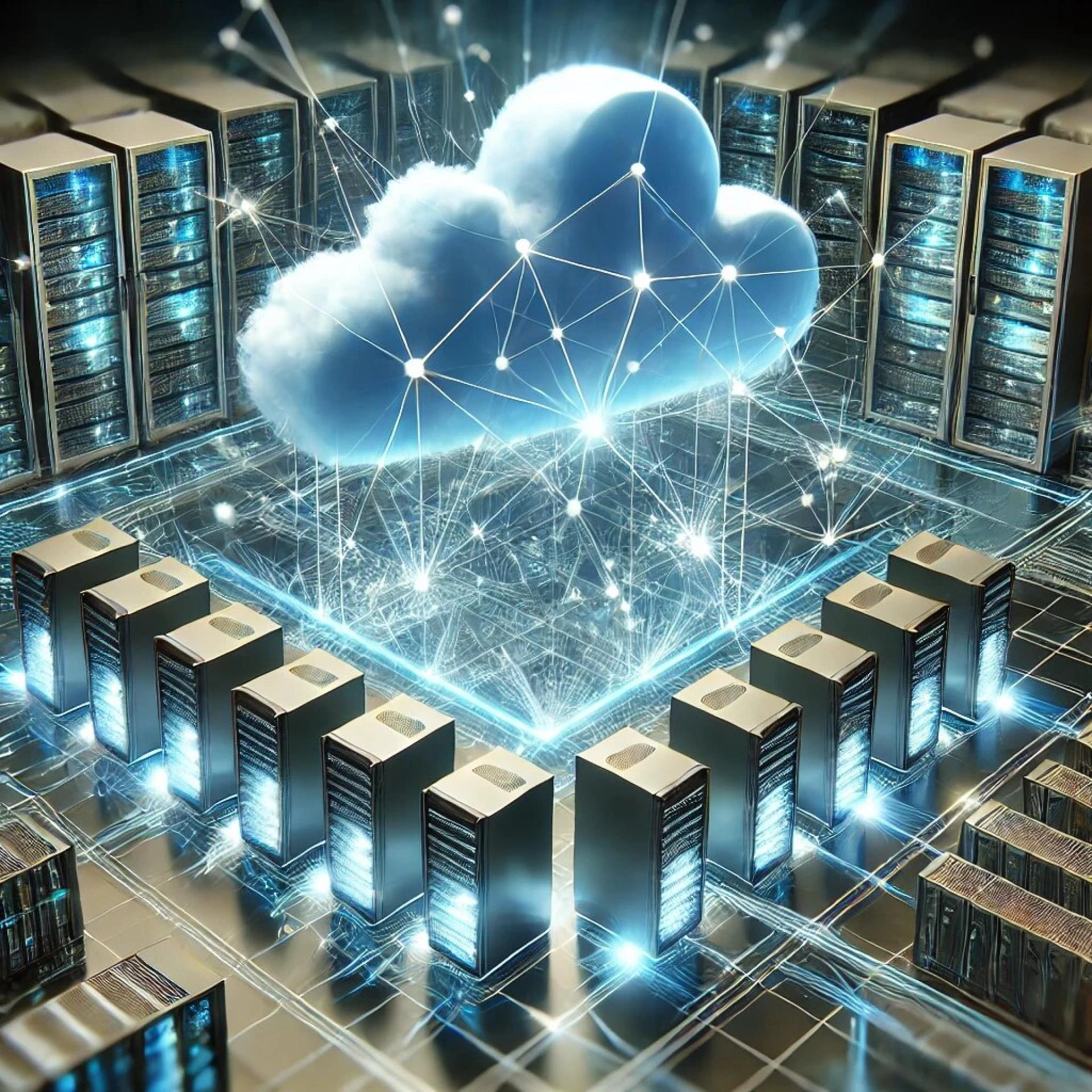
Numerous companies are using virtualization and cloud computing methods to improve their disaster recovery abilities. By placing important applications and infrastructure in the cloud, businesses can rapidly create new resources and bring back their operations if a disaster happens.
3. Replication and Mirroring:
Some methods for disaster recovery include making copies or mirrors of an organization\'s data and systems at a different place. This process guarantees that there is a complete working backup ready if the main systems get affected by any kind of disaster.
4. Disaster Recovery as a Service (DRaaS):
DRaaS is a service from the cloud for disaster recovery, where the outside company takes care of the whole process of recovering after disasters instead of the organization\'s people. This can save money and grow easily with the needs of companies that don\'t have enough resources or knowledge to handle their systems for disaster recovery.
5. Disaster Recovery Planning and Testing:
Good disaster recovery is not only about the technical stuff. It also needs detailed planning, training people well, and regular tests to be sure that the organization can handle different types of disasters.
How to Choose the Right Disaster Recovery Solution Provider Company
When it comes to selecting a disaster recovery solution provider, there are several factors to consider:
1. Expertise and Experience:
Find a provider who has shown they can successfully set up and handle disaster recovery solutions for companies like yours.
2. Scalability and Flexibility:
Select a provider who can increase or decrease their services according to your needs as they change, while also supporting future expansion.
3. Compliance and Security:
Make sure the provider\'s disaster recovery services follow all important industry rules and standards. Also, check that they have strong security steps to keep your data safe.
4. Recovery Time Objective (RTO) and Recovery Point Objective (RPO):
It is important to know what your organization needs for recovery. You should pick a service provider that can match or do better than your RTO and RPO requirements.
5. Cost-Effectiveness:
Though disaster recovery is a crucial spend, you must find a provider who gives a budget-friendly solution that fits your money plan.
By carefully selecting the right disaster recovery solution provider, organizations can safeguard their data, protect their business, and ensure their ability to bounce back from even the most devastating of disasters.




















Sign in to leave a comment.