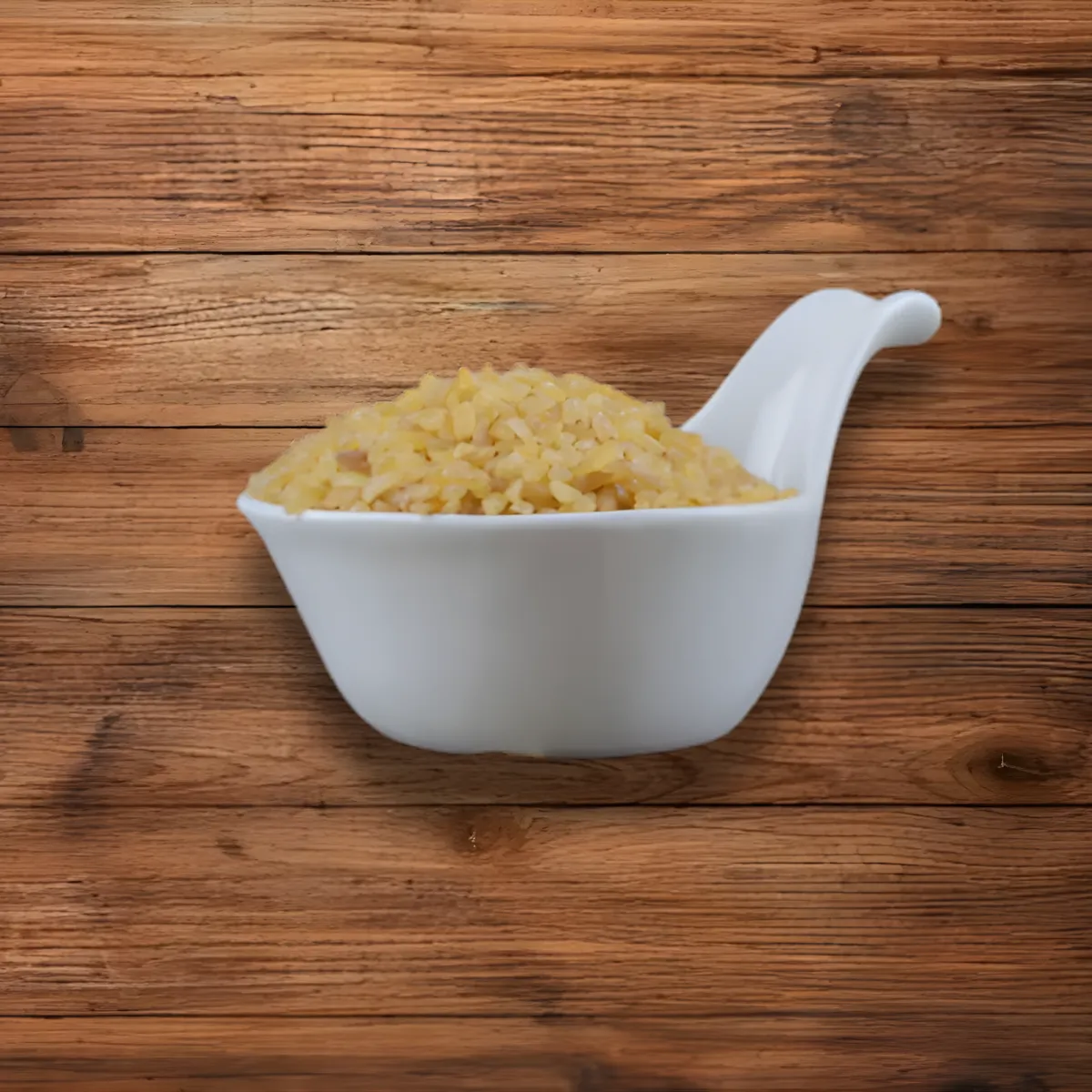

Guar gum splits are one of the most important raw materials used in the production of guar gum powder, a natural thickening and stabilizing agent widely utilized across multiple industries. Derived from guar seeds, guar gum splits play a crucial role in sectors such as food processing, pharmaceuticals, oil and gas, textiles, paper manufacturing, and cosmetics.
As global demand for natural and sustainable ingredients continues to grow, guar gum splits have become a valuable agricultural commodity in international markets. This guide explores what guar gum splits are, how they are produced, and the various applications that make them an essential industrial ingredient.
What Are Guar Gum Splits?
Guar gum splits are the purified endosperm portions of guar seeds obtained after removing the outer husk and germ. The guar plant (Cyamopsis tetragonoloba) is primarily cultivated in India and Pakistan, with India accounting for the majority of global production.
A guar seed consists of three main parts:
- Hull (outer covering)
- Germ (embryo)
- Endosperm (gum-rich portion)
The endosperm contains galactomannan, a natural polysaccharide responsible for the thickening, binding, and stabilizing properties of guar gum. Once separated and processed, this endosperm is known as guar gum splits.

How Are Guar Gum Splits Produced?
The production of guar gum splits involves several carefully controlled processing stages to ensure purity and quality.
1. Seed Cleaning
Raw guar seeds are first cleaned to remove dust, stones, impurities, and foreign materials. This step helps maintain product quality and processing efficiency.
2. Roasting and Conditioning
The cleaned seeds undergo controlled heating and conditioning to loosen the hull and facilitate easier separation of seed components.
3. Dehusking
The outer husk is mechanically removed from the guar seeds. This process exposes the gum-rich endosperm and germ.
4. Splitting
The dehusked seeds are split into two halves, allowing the germ to be separated from the endosperm.
5. Separation
Advanced sieving and air-classification systems separate the germ and husk from the endosperm. The resulting purified endosperm pieces are known as guar gum splits.
6. Quality Inspection
The guar gum splits are inspected for:
- Purity
- Color
- Moisture content
- Particle size
- Foreign matter contamination
Only high-quality splits proceed for further processing or export.
Types of Guar Gum Splits
Depending on processing quality and application requirements, guar gum splits may be categorized as:
Natural Guar Splits
Produced through standard mechanical processing while maintaining natural characteristics.
Roasted Guar Splits
Subjected to controlled roasting to improve processing efficiency and product consistency.
Refined Guar Splits
Highly purified splits used for producing premium-grade guar gum powder.
Key Properties of Guar Gum Splits
Guar gum splits are valued for several unique characteristics:
- High galactomannan content
- Excellent water absorption capability
- Natural thickening properties
- Strong binding ability
- Biodegradable and eco-friendly composition
- High viscosity generation
- Compatibility with various industrial formulations
These properties make guar gum splits an ideal raw material for numerous commercial applications.
Major Applications of Guar Gum Splits
1. Guar Gum Powder Manufacturing
The primary use of guar gum splits is the production of guar gum powder. The splits are milled and processed into fine powder, which serves as a thickener, stabilizer, emulsifier, and binding agent.
2. Food Industry
Guar gum derived from splits is widely used in:
- Dairy products
- Ice cream
- Bakery items
- Sauces and dressings
- Beverages
- Gluten-free foods
It improves texture, shelf life, and product consistency.
3. Oil and Gas Industry
One of the largest consumers of guar gum products is the oil and gas sector. Guar-based polymers are used in hydraulic fracturing (fracking) fluids to improve viscosity and enhance extraction efficiency.
4. Pharmaceutical Industry
Guar gum is utilized in pharmaceutical formulations as:
- Tablet binder
- Controlled-release agent
- Thickener
- Stabilizer
Its natural origin makes it suitable for various medicinal applications.
5. Textile Industry
Guar gum products are used during textile printing and finishing processes, providing improved fabric quality and color consistency.
6. Paper Industry
In paper manufacturing, guar gum acts as:
- Surface sizing agent
- Strength enhancer
- Retention aid
This improves paper durability and printability.
7. Cosmetics and Personal Care
Guar gum derivatives are commonly found in:
- Shampoos
- Conditioners
- Lotions
- Creams
- Toothpaste
They help improve product texture and stability.
Factors Affecting Guar Gum Split Quality
Several factors influence the quality and market value of guar gum splits:
Purity Level
Higher purity means better guar gum yield and superior industrial performance.
Moisture Content
Optimal moisture levels ensure longer shelf life and prevent spoilage.
Color
Uniform cream-colored splits are generally preferred in international markets.
Processing Standards
Modern processing technologies help achieve higher consistency and product quality.
Storage Conditions
Proper storage protects guar gum splits from contamination and moisture absorption.
Global Market Demand for Guar Gum Splits
The demand for guar gum splits continues to rise due to increasing applications across food, energy, pharmaceutical, and industrial sectors. India remains the world's leading producer and exporter, supplying major markets in North America, Europe, the Middle East, and Asia-Pacific. As international buyers seek reliable sourcing options, many businesses now prefer to buy guar gum splits online through trusted manufacturers and exporters, ensuring convenient procurement and consistent product quality. Growing interest in natural, plant-based, and sustainable ingredients is expected to further strengthen global demand in the coming years.
Conclusion
Guar gum splits are a vital intermediate product in the guar processing industry, serving as the foundation for a wide range of industrial applications. Produced from the endosperm of guar seeds, these splits offer exceptional thickening, binding, and stabilizing properties that make them indispensable in food processing, oil drilling, pharmaceuticals, textiles, paper manufacturing, and cosmetics.
As industries increasingly seek natural and sustainable solutions, guar gum splits will continue to play an important role in global supply chains, making them a valuable commodity for manufacturers, exporters, and end-users alike.



























Sign in to leave a comment.