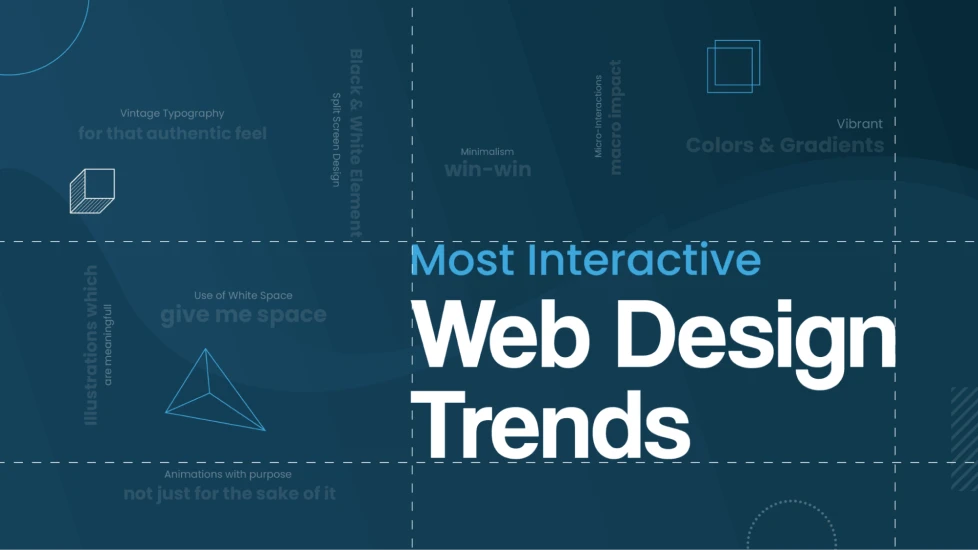

In the fast-paced digital world, website design is no longer just about aesthetics—it plays a vital role in how users perceive your brand and interact with your business. Whether you're a startup or an established company, keeping up with current design trends is crucial to ensure a smooth, modern, and user-friendly experience.
In this blog, we’ll explore the most relevant website design trends of 2025, their importance, and how they can benefit your online presence.
Why Website Design Trends Matter in 2025
Modern website design directly affects:
- User Experience (UX): Clean, intuitive design improves usability.
- Search Engine Optimization (SEO): Google prioritizes sites that load fast, are mobile-friendly, and offer good UX.
- Brand Trust: Outdated design can negatively impact credibility.
- Mobile & Accessibility Compliance: Modern trends support responsive and inclusive experiences.
Staying updated ensures your website meets both user expectations and technical Elements requirements.
Top Current Website Design Trends (2025)
1. Minimalistic & Clean Aesthetics
Simplicity is power. Clean design helps users focus on your core message without distractions. White space, neutral color palettes, and minimalist layouts improve readability and increase speed, especially on mobile devices.
2. Dark Mode & Low Light UI
Dark mode is more than a trend—it’s a preference. It reduces eye strain, looks sleek, and saves battery on OLED screens. Designers now provide dark/light toggle options to enhance user control.
3. Micro-Animations and Interactive Elements
Subtle animations, like hover effects or progress indicators, enhance engagement without overwhelming the visitor. When used thoughtfully, they guide users and improve navigation.
4. Scroll-Based Storytelling
Also known as scrollytelling, this technique allows content to unfold interactively as users scroll. It creates an immersive experience, ideal for portfolios, product showcases, and storytelling.
5. Bold Typography & Experimental Fonts
Typography has become a visual centerpiece. Designers are embracing oversized fonts, serif and sans-serif combinations, and custom letterforms to make a strong first impression. However, accessibility and load speed must be considered.
6. AI-Integrated Interfaces
Artificial intelligence is transforming how websites function. From AI-driven chatbots to personalized content suggestions, machine learning is enhancing user experiences through intelligent design systems.
7. Voice Search & Voice-Enabled UI
As smart assistants gain popularity, websites are beginning to include voice-command interfaces. This involves voice search optimization and designing for conversational interactions.
8. 3D Visuals & Immersive Experiences
3D elements, such as product models or interactive visuals, add depth and realism. With tools like WebGL, designers can create rich, immersive visuals without compromising speed—if done right.
9. Inclusive and Accessible Design
Inclusivity is not optional. Accessibility features such as keyboard navigation, readable fonts, and sufficient color contrast are now built-in to meet global standards like WCAG.
10. Sustainability in Design (Eco-Friendly Web Design)
Green web design focuses on reducing energy use by optimizing code, limiting resource-heavy elements, and using green hosting. It’s a small but meaningful way brands show responsibility.
Trends in Design Tools & Technologies
To support these trends, tools and platforms have evolved:
- No-code/Low-code platforms like Webflow and Framer empower designers and marketers.
- AI design tools (e.g., Uizard, Framer AI) generate wireframes, prototypes, and layouts faster.
- Collaborative tools like Figma and Adobe XD enable real-time teamwork, improving efficiency and consistency.
Adapting to the latest tools and technologies in design is key to creating modern, high-performing digital experiences. Accessing a reliable Website design service can help ensure your brand stays ahead of the curve.
How to Decide Which Trend Suits Your Brand?
Not every trend is for every website. Here’s how to choose:
- Know your audience: A corporate firm may benefit from minimalism, while a creative studio might opt for bold, animated design.
- Test performance: Trends should enhance—not hinder—site speed and usability.
- Prioritize accessibility: Inclusive design expands your reach and improves user experience.
- Balance form and function: Don't sacrifice functionality for visuals.
Final Thoughts
Design trends are not just about keeping up with what’s popular—they’re about staying relevant, functional, and user-focused. While it’s tempting to follow every new design fad, the best approach is to selectively implement what aligns with your brand identity, audience needs, and business goals.
Staying informed and adapting thoughtfully can transform a website into a dynamic, future-ready digital asset. You can explore modern website design practices that reflect these principles in action.
FAQs
Q1. Are website design trends changing every year?
Yes, trends evolve with technology, user behavior, and design innovation. It's essential to review and update your site periodically.
Q2. What is the most important design element for mobile websites in 2025?
A fast-loading, clean interface with intuitive navigation and responsive design is key for mobile in 2025.
Q3. Is it necessary to follow all trends or pick a few?
It's better to pick trends that enhance your site’s purpose and performance rather than applying all trends blindly.

























Sign in to leave a comment.