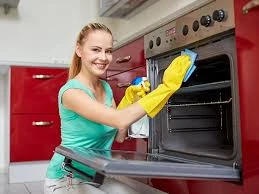

What Are the Most Common Tools and Chemicals Used in Kitchen Equipment Cleaning?
Kitchen equipment cleaning is essential for maintaining hygiene, safety, and efficiency, whether in a home or a commercial setting. A clean kitchen not only ensures food safety but also extends the lifespan of equipment like ovens, grills, and stainless steel surfaces. This article explores the most common tools and chemicals used in kitchen equipment cleaning, offering practical insights for achieving a sparkling, food-safe environment. From scrub brushes to degreasers, we’ll cover the essentials of a kitchen cleaning system to help you maintain top-notch hygiene.
Why Kitchen Equipment Cleaning Matters
Proper cleaning of kitchen equipment prevents cross-contamination, eliminates harmful bacteria, and ensures compliance with food safety standards, especially in commercial kitchen cleaning. A kitchen sanitation process involves using specialized tools and chemicals to tackle grease, grime, and food residue. By incorporating the right cleaning supplies, you can create a food-safe cleaning regimen that enhances both safety and aesthetics.
Common Tools for Kitchen Equipment Cleaning
A well-equipped kitchen cleaning system relies on a variety of cleaning tools designed to handle different surfaces and tasks. Below are the most commonly used tools, each serving a specific role in maintaining kitchen hygiene.
Scrub Brushes and Scouring Pads
Scrub brushes with sturdy bristles are ideal for removing tough grease and burnt-on food from grills, ovens, and stovetops. Their durable handles provide a good grip for applying pressure during scrubbing. Similarly, scouring pads are excellent for tackling stubborn residue on pots, pans, and other cookware. These cleaning tools are essential for deep cleaning in both home and commercial kitchen maintenance.
Microfiber Cloths and Sponges
Microfiber cloths, made of fine microfiber strands, are perfect for wiping down stainless steel surfaces without leaving streaks or scratches. They absorb liquids effectively and trap dust, making them a go-to for polishing appliances. Sponges, with their porous structure, are versatile for general cleaning tasks, such as wiping countertops or soaking up spills in food prep areas.
Spray Bottles and Buckets
A spray bottle with an adjustable nozzle allows precise application of cleaning solutions like all-purpose cleaners or degreasers. Buckets are useful for soaking larger equipment parts or diluting concentrated cleaning agents for mopping floors. These tools are staples in any restaurant hygiene program.
Steam Cleaners and Pressure Washers
For deep cleaning kitchen equipment, steam cleaners use high-temperature steam to sanitize surfaces without chemicals, making them eco-friendly and effective for food-safe cleaning. Pressure washers, though less common in home kitchens, are used in professional kitchen maintenance to blast away grime from large equipment or floors.
Squeegees
Squeegees are excellent for removing excess water or cleaning solutions from flat surfaces like countertops or glass doors, ensuring a streak-free finish. They’re particularly useful in commercial kitchens where large surfaces need quick drying.
Essential Chemicals for Kitchen Equipment Cleaning
The right cleaning agents are critical for breaking down grease, disinfecting surfaces, and ensuring a food-safe environment. Below are the most common hygiene solutions used in kitchen cleaning.
Dish Soap and All-Purpose Cleaners
Dish soap, with its surfactants, cuts through grease on dishes, pots, and pans, making it a staple in any kitchen hygiene product lineup. All-purpose cleaners are versatile detergents that work on countertops, appliances, and other surfaces, providing a quick solution for daily cleaning tasks.
Degreasers and Oven Cleaners
Degreasers, often containing solvents, are formulated to dissolve heavy grease buildup on grills, hoods, and fryers, which is common in commercial kitchen cleaning. Oven cleaners, a specialized type of degreaser, tackle burnt-on food and carbon deposits inside ovens, restoring them to a like-new condition.
Vinegar and Baking Soda
For eco-conscious cleaning, vinegar and baking soda are natural cleaning solutions. Vinegar’s acidity makes it effective for descaling coffee makers or removing mineral deposits, while baking soda acts as a mild abrasive for scrubbing tough stains. These are popular in kitchen maintenance protocols for their non-toxic properties.
Bleach and Hydrogen Peroxide
Bleach, containing sodium hypochlorite, is a powerful disinfectant for sanitizing cutting boards, sinks, and other high-touch surfaces. Hydrogen peroxide is another effective sanitation product, often used as an alternative to bleach for food-safe cleaning. Both are critical for eliminating bacteria in a kitchen sanitation process.
Stainless Steel Polish and Descalers
Stainless steel polish enhances the shine of appliances while protecting them from fingerprints and smudges. Descalers, designed to remove limescale from dishwashers or kettles, are vital for maintaining equipment efficiency. These cleaning chemicals ensure both functionality and aesthetics in professional kitchen maintenance.
Best Practices for Using Tools and Chemicals
To maximize the effectiveness of your cleaning supplies, follow these tips for a positive cleaning experience:
- Choose Food-Safe Products: Always use food-safe cleaning chemicals to avoid contamination. Check labels to ensure compliance with health regulations.
- Match Tools to Surfaces: Use microfiber cloths for delicate surfaces like stainless steel and scouring pads for tougher jobs like grill grates.
- Dilute Chemicals Properly: Overusing concentrated cleaning agents like bleach can damage equipment or leave harmful residues. Follow manufacturer instructions.
- Incorporate Regular Maintenance: A consistent kitchen cleaning system prevents grease buildup and reduces the need for intensive deep cleaning.
- Prioritize Safety: Wear gloves when handling strong disinfectants or degreasers, and ensure proper ventilation during cleaning.
How to Build an Effective Kitchen Cleaning System
A comprehensive kitchen sanitation process combines the right cleaning tools and hygiene solutions with a structured routine. Start by stocking up on essentials like scrub brushes, microfiber cloths, dish soap, and degreasers. For commercial kitchens, consider investing in steam cleaners or pressure washers for efficiency. Create a checklist for daily, weekly, and monthly cleaning tasks to ensure all equipment, from ovens to refrigerators, stays in top condition.
Conclusion
Kitchen equipment cleaning effectively requires a combination of specialized cleaning tools and cleaning chemicals tailored to the task. From scrub brushes and microfiber cloths to degreasers and bleach, each plays a vital role in maintaining a food-safe environment. By integrating these tools and chemicals into a kitchen cleaning system, you can ensure hygiene, extend equipment lifespan, and create a positive user experience for anyone in the kitchen. Whether you’re running a commercial kitchen or maintaining a home setup, these essentials will keep your space spotless and safe.


























Sign in to leave a comment.