

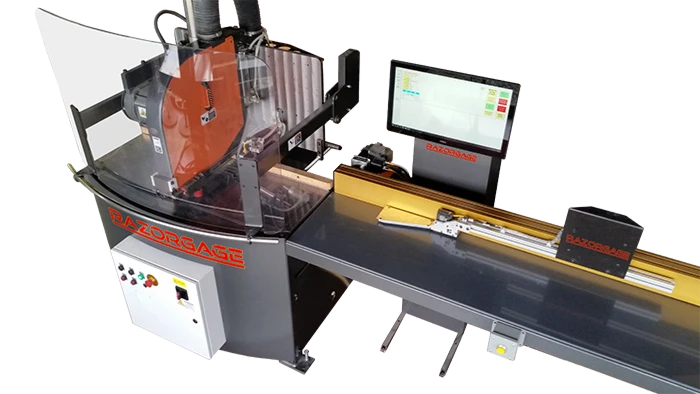
Modern fabrication shops are constantly looking for ways to sharpen their edge in a competitive market. Whether dealing with wood, metal, or composite materials, the demand for faster turnaround, tighter tolerances, and safer working conditions is always growing. The introduction of the automatic saw stop into shop environments has quietly revolutionized how cutting operations are managed. This technology is no longer reserved for large industrial facilities — it is becoming an essential tool for shops of every size that are serious about consistency, safety, and long-term growth.

Precision Shapes Modern Fabrication
Over ten years, what’s demanded from metal workshops has grown much tougher. First-piece perfection matters - today’s buyers want every part identical, no excuses. A tiny flaw? That batch won’t pass inspection, leading to delays, extra work, sudden expenses. Relying only on people to hit exact marks hundreds of times each day just isn’t practical anymore, regardless of skill. Machines step in where hands fall short: code drives the tool, repetition locks in the result, start to finish stays locked tight.
Automated systems cut down material waste
Waste piles up fast when making things, even if mistakes seem tiny at first. A little too long on a single cut means tossing that piece - no second chances there. Think about how many parts get made in one go; those tosses add up quick. Machines set to stop exactly where needed keep each slice right on target. No guesswork sneaks in, so extra scraps stay minimal. Save enough material over weeks or months, and the machine pays for itself quietly. Numbers like that speak loud without shouting.
The Direct Effect on Workers Health and Safety
Every workshop comes with dangers baked in. Shop bosses must act - not just because laws demand it, but because doing right matters. Workers often lean close to running cutters when tweaking parts by hand, repeating that risk again and again through the day. Machines that move materials automatically keep hands out of the path simply by taking over placement jobs. Less reaching into risky spots leads directly to fewer slips, bumps, or worse - so people work steadier, minds quieter, bodies farther from harm.
Uniformity Among Various Operators and Work Periods
Running a shop with round-the-clock shifts brings one clear hurdle - keeping every piece just as precise, no matter who's running the equipment. Shift changes mean new faces, diverse routines, uneven skill levels creeping into the process, often causing slight differences you might not notice right away. Automation steps in here, removing human variation completely. Set the settings once, then each cycle follows the exact pattern, indifferent to whether the person nearby has ten years' experience or showed up last week. Steady outcomes like this become essential when long-term customers expect nothing less than consistency, contract after contract.
Faster Setup Times and Better Daily Output
Every minute used setting things up means one less minute making parts. When the shop floor stays active, small delays from hand-measuring, shifting material, or double-checking cuts begin stacking into major downtime. Machines that stop automatically skip most of those pauses - workers enter numbers on screen, then the machine moves its own stop block fast and exact. That saved time grows quietly but powerfully across shifts, helping workshops finish extra jobs even when schedules stay tight and crews remain unchanged.
Costs Decrease More Over Years
Over time, machines change how money moves through a shop. Not right away, yet savings show up in smaller mistakes and smoother runs. One thing fades - waste - when routines shift to steady hands that never tire. Production speeds up without shouting deadlines. Each piece leans lighter on resources, so profit space widens even when prices stay low. Those using robots quietly reshape what it means to sell cheap but earn fair. Stability grows where guesswork once lived.
Ability to Adjust Across Project Types and Materials
Shops often wonder if machines can manage the mix of jobs they face. Though setups differ, today’s automation adjusts easily - handling changes in material, thickness, or cut size without a full overhaul. Because it bends instead of breaking under new demands, the tech fits everything from oddball single items to long repeat batches. As orders shift, so does the machine, keeping options open rather than narrowed.
Setting Up the Shop to Grow Easily
One step ahead isn’t only fixing what’s broken now - it’s setting up for what comes next. When a metal shop takes on more customers and sees orders climb, machines that run themselves keep pace without needing extra people or higher expenses. Work flows smoother because the setup was built to grow, handling heavier loads like it’s meant to. That kind of readiness? It puts any expanding workshop where they need to be - ready before the rush hits.
Conclusion
Fabrication shops that embrace automated stopping technology are making a decision that pays dividends across every dimension of their operation — from safety and precision to speed and scalability. Each benefit reinforces the others, creating a compounding effect that strengthens the shop's overall performance over time. The automatic pusher system plays a vital role in this ecosystem by guiding material smoothly and accurately through the cutting process, ensuring that every stage of the workflow is as reliable as the last. Investing in these systems is not simply a technological upgrade — it is a commitment to building a more capable, competitive, and sustainable fabrication business.
FAQs
Q: Is automated stopping technology difficult to install in an existing shop setup?
Most systems are designed with compatibility in mind and can be integrated into existing equipment without requiring a complete overhaul of the shop's current machinery.
Q: How quickly can operators learn to use automated stopping systems?
The learning curve is generally quite short. Most systems feature intuitive controls that allow operators to become comfortable and confident within a relatively brief training period.
Q: Does automation make experienced fabricators less relevant?
Not at all. Skilled fabricators remain essential for overseeing operations, managing quality control, and handling the more complex aspects of production that automation supports rather than replaces.
Q: Can these systems handle a wide range of material types?
Yes, most automated stopping systems are built to work with various materials including wood, metal, and composites, making them versatile tools for shops with diverse project portfolios.
Q: What is the typical return on investment timeline for automated fabrication equipment?
While it varies depending on shop volume and operational costs, many shops begin seeing measurable financial benefits within the first year through reduced waste, faster production, and lower rework rates.

























Sign in to leave a comment.