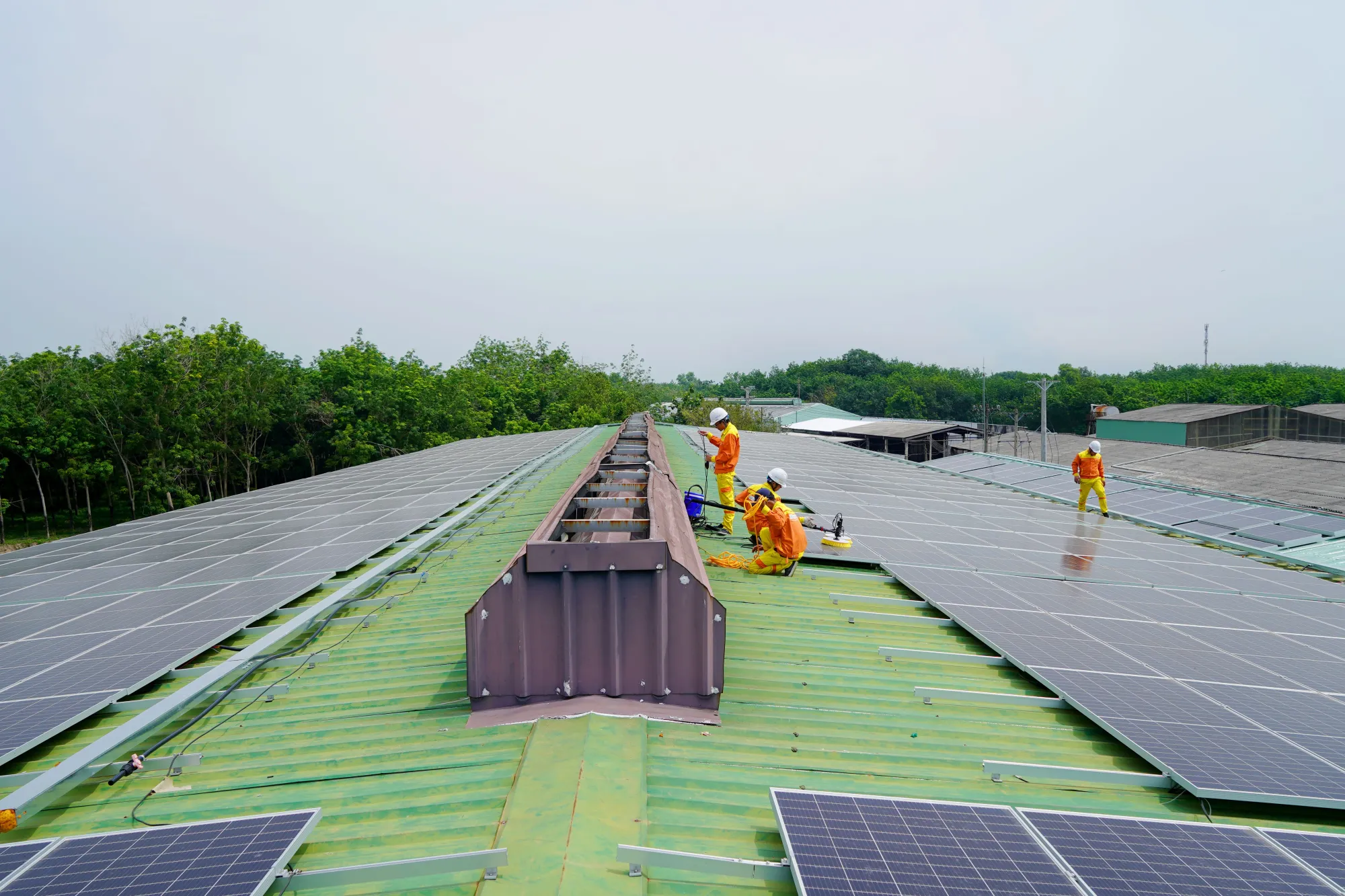

Businesses that invest in solar energy often look forward to reducing operating costs while supporting long term sustainability goals. Understanding what happens during the installation journey helps business owners prepare for every stage with confidence. The commercial solar installation process involves several carefully planned steps that ensure the system performs safely, efficiently, and reliably. From the initial assessment to final testing, every phase is designed to minimize disruptions while delivering lasting energy benefits for commercial properties.
Understanding the Purpose of Commercial Solar Installation
Commercial solar installation is much more than placing panels on a rooftop. It is a complete project that includes planning, engineering, permitting, installation, inspections, and system activation. Every step works together to create an energy solution that matches the building's electricity demands and physical layout.
Businesses should understand that experienced professionals carefully evaluate each property before any work begins. This preparation reduces unexpected challenges and helps ensure the completed system delivers dependable performance for many years.
Why Careful Planning Matters
Every commercial property has unique energy needs, structural conditions, and electrical requirements. A detailed planning phase allows installers to gather important information before construction starts. This preparation improves project efficiency while reducing delays that could affect installation schedules.
Proper planning also ensures equipment selection matches current and future energy usage. Businesses benefit from systems designed specifically for their operational requirements rather than relying on a one size fits all approach.
Initial Site Evaluation and Energy Assessment
The first stage of installation focuses on understanding the property's suitability for solar energy. This assessment provides valuable information that guides every decision made throughout the project.
Professional evaluations consider building characteristics, roof conditions, available space, electrical infrastructure, and local weather patterns. Together, these factors determine the best approach for installation.
Property Inspection
During the inspection, specialists examine the roof or ground area where solar panels may be installed. They evaluate structural integrity, roof age, available space, and any obstacles that could affect sunlight exposure.
The inspection also identifies maintenance issues that should be addressed before installation begins. Completing necessary repairs beforehand helps prevent future complications once the solar system is in place.
Reviewing Energy Consumption
Electricity usage records help determine how much energy the building consumes throughout the year. This information allows designers to recommend an appropriately sized solar system.
Seasonal variations, operating hours, equipment usage, and future expansion plans may all influence system design. Accurate energy analysis supports better long term performance and financial value.
System Design and Engineering
After gathering site information, engineers begin creating a custom solar design. Every commercial building presents unique opportunities and limitations that influence the final layout.
The design phase balances energy production, structural requirements, safety standards, and installation efficiency to develop an effective solar solution.
Creating a Customized Layout
Engineers determine the ideal placement for solar panels to maximize sunlight exposure throughout the day. They consider roof angles, shading from nearby structures, ventilation, and maintenance accessibility.
The completed design includes panel positioning, wiring routes, inverter locations, and electrical connections. Careful planning supports both system performance and ease of maintenance.
Structural and Electrical Planning
Commercial buildings require detailed engineering reviews to verify that roofs or mounting structures can safely support the solar equipment. Electrical systems must also be evaluated to ensure compatibility with new components.
These engineering assessments help maintain building safety while ensuring compliance with applicable construction and electrical standards.
Permitting and Project Approval
Before construction begins, various permits and approvals are typically required. Although this stage happens behind the scenes, it represents an important part of the overall project timeline.
Businesses should understand that approval timelines vary depending on local regulations and inspection requirements.
Permit Applications
Installation teams prepare documentation describing system specifications, engineering plans, and safety measures. Authorities review these materials before granting permission to begin construction.
Accurate documentation helps streamline approvals and reduces the likelihood of project delays caused by missing information.
Utility Coordination
In many cases, communication with the local utility company occurs before installation starts. This coordination helps ensure the future solar system connects properly to the electrical grid.
Utility representatives may review technical details and schedule inspections before granting final authorization for system operation.
Preparing the Property for Installation
Once approvals have been obtained, the installation team begins preparing the work site. Good preparation supports efficient construction while maintaining workplace safety.
Businesses often appreciate understanding what activities will occur before visible installation work begins.
Equipment Delivery
Solar panels, mounting systems, electrical equipment, and related materials arrive before installation begins. Delivery schedules are coordinated to minimize storage requirements and reduce workplace congestion.
Organized material handling helps installers work efficiently while keeping the property safe for employees and visitors.
Establishing Safety Measures
Safety remains a priority throughout every phase of installation. Temporary barriers, warning signs, and designated work zones help protect everyone on the property.
Installation crews follow established safety procedures while using protective equipment during roof work and electrical installation activities.
Installing the Solar Mounting System
The mounting system serves as the structural foundation supporting the solar panels. Proper installation ensures long term stability under changing weather conditions.
This stage usually begins after site preparation has been completed successfully.
Securing the Mounting Equipment
Installers carefully position and fasten mounting hardware according to engineering specifications. Every attachment point is installed with attention to structural integrity and weather protection.
Proper mounting creates a secure foundation that keeps solar panels stable while allowing appropriate drainage and airflow beneath the system.
Protecting the Building Structure
Roof penetrations are sealed carefully to prevent moisture intrusion. Waterproofing techniques help preserve the building envelope while maintaining long term durability.
Attention to detail during this stage contributes significantly to the overall reliability of the completed installation.
Solar Panel Installation
Once the mounting system is complete, solar panels are installed according to the approved layout. This stage often represents the most visible part of the project.
Professional installers position each panel carefully to achieve optimal performance and appearance.
Positioning Each Panel
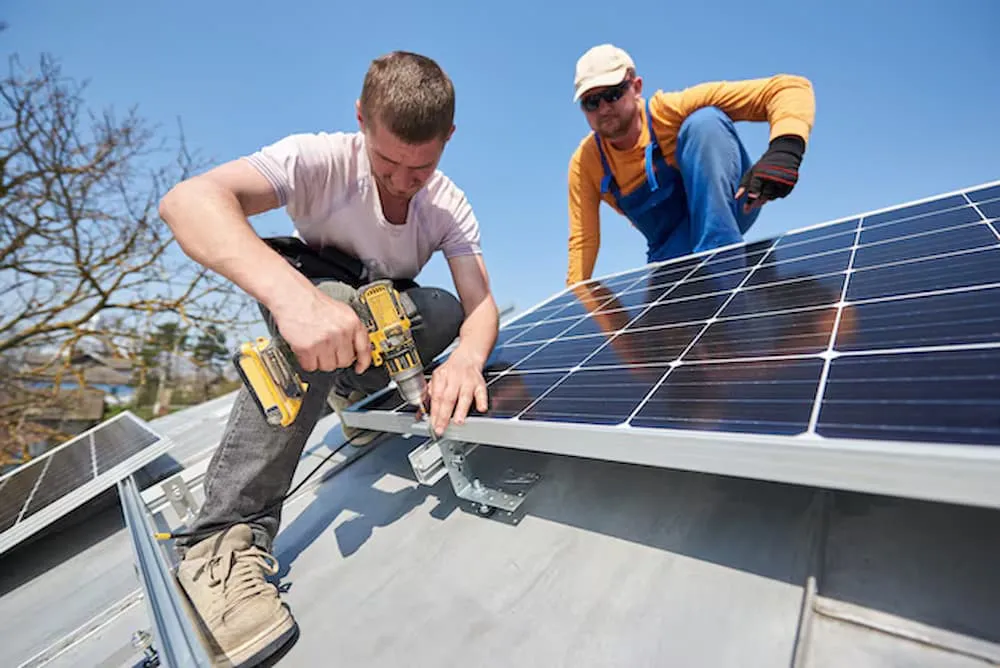
Panels are attached securely to the mounting framework using manufacturer approved hardware. Installers verify alignment, spacing, and stability throughout the installation process.
Consistent positioning improves system efficiency while creating an organized appearance across the installation area.
Protecting Equipment During Installation
Careful handling prevents unnecessary damage to solar panels and electrical components. Installation teams inspect equipment continuously while completing each section of the array.
Quality workmanship during installation supports reliable operation after system activation.
Electrical Connections and System Integration
With the panels installed, electricians complete the electrical connections that allow generated energy to flow safely through the building.
This stage requires specialized knowledge and close attention to electrical safety standards.
Installing Inverters and Wiring
Electricians connect solar panels using specialized wiring before routing electricity to inverters and electrical distribution equipment. These components convert generated electricity into usable power for the building.
Proper cable management improves safety while protecting electrical connections from environmental exposure.
Connecting to the Building
The completed solar equipment integrates with the building's existing electrical infrastructure. Protective devices and monitoring equipment are installed to support safe system operation.
Every connection undergoes careful inspection before power is introduced into the system.
Inspection and Quality Verification
Before the solar system becomes operational, several inspections verify compliance with safety and construction standards.
Businesses should expect these evaluations as part of a normal installation process.
Internal Quality Checks
Installation teams perform detailed inspections of mounting hardware, electrical connections, wiring, and equipment placement. Any identified adjustments are completed before official inspections occur.
Internal quality reviews help maintain high workmanship standards while reducing the possibility of inspection delays.
Official Inspections
Local authorities and utility representatives may perform inspections before granting final approval. These evaluations confirm the installation meets required building and electrical regulations.
Successful inspections demonstrate that the completed project satisfies established safety expectations.
System Testing and Activation
Following successful inspections, the system enters its final commissioning phase. This stage verifies proper operation before regular energy production begins.
Comprehensive testing helps ensure reliable performance from the first day of operation.
Performance Testing
Technicians evaluate electrical output, inverter operation, monitoring systems, and overall equipment performance. Testing confirms every component functions correctly under expected operating conditions.
Minor adjustments may be completed during commissioning to optimize system efficiency.
Employee Orientation
Businesses often receive guidance explaining system operation, monitoring tools, maintenance expectations, and safety procedures. Understanding these features helps building managers monitor performance with confidence.
Clear documentation provides valuable reference information for future maintenance activities.
Possible Business Disruptions During Installation
Many businesses worry about interruptions while solar equipment is installed. Fortunately, experienced installation teams work carefully to reduce disruptions whenever possible.
Planning ahead allows businesses to maintain daily operations throughout much of the construction period.
Noise and Temporary Work Areas
Construction activities naturally produce some noise during equipment installation and electrical work. Certain parking spaces or roof access points may also remain temporarily restricted.
Most disruptions occur only during normal working hours and are carefully managed to limit inconvenience.
Scheduling Around Business Operations
Many commercial projects can be organized around operating schedules. Installers often coordinate work activities to reduce impacts on customers, employees, and daily business functions.
Effective communication between project managers and business owners helps keep installation activities organized and predictable.
Long Term Benefits After Installation
Although installation requires careful planning, the long term advantages often extend far beyond the construction period. Businesses gain access to cleaner energy while improving operational efficiency.
A professionally installed solar system can support financial planning, environmental responsibility, and energy independence for many years.
Reduced Operating Expenses
Generating electricity onsite can help businesses manage energy costs more effectively over time. Predictable energy production also supports improved budgeting by reducing exposure to changing utility rates.
Long term savings often become one of the most attractive aspects of commercial solar ownership.
Stronger Sustainability Goals
Many organizations actively pursue environmental initiatives that demonstrate responsible business practices. Solar energy supports these goals by reducing reliance on traditional electricity generation methods.
Improved sustainability efforts may also strengthen relationships with environmentally conscious customers, employees, and business partners.
Conclusion
Understanding each stage of the commercial solar installation process helps businesses approach their projects with realistic expectations and greater confidence. From planning and engineering to installation, inspections, and final activation, every phase contributes to creating a dependable energy system that supports long term operational success. Careful preparation, professional workmanship, and clear communication make the experience more efficient while minimizing disruptions. Businesses that invest in commercial solar can look forward to lasting value, improved energy management, and a more sustainable future with the expertise and support of Trifecta Solar.

























Sign in to leave a comment.