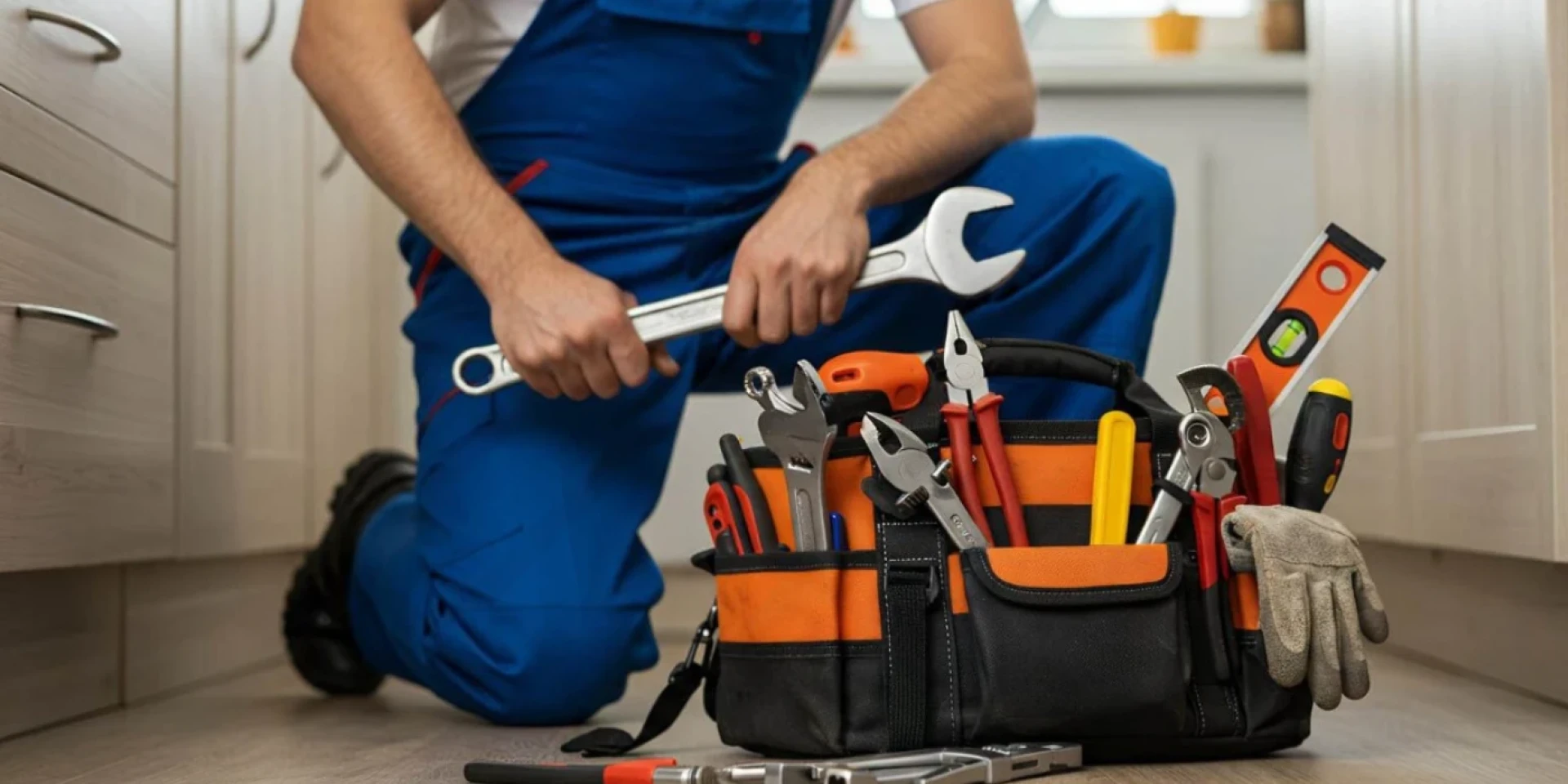

Hiring a handyman can save time, stress, and money—but knowing what can a handyman legally do is essential to ensure safety and compliance. Many homeowners turn to Florida handyman services for small repairs and home improvement tasks, but not all jobs fall within a handyman’s legal scope. Misunderstanding these limits can lead to code violations, safety hazards, or even insurance issues. This guide explains everything a handyman can and cannot legally perform in Florida.
Understanding Handyman Legal Limits
Florida has clear rules about handyman work. Generally, a handyman can perform minor repairs and basic maintenance. However, anything that affects the structural integrity of a building or involves licensed trades (like electrical, plumbing, or HVAC) may require a licensed contractor.
What Tasks Can a Handyman Legally Do?
1. General Home Repairs
Handymen are legally allowed to handle small, non-structural repairs such as:
- Fixing broken door hinges
- Repairing drywall holes (minor patches)
- Replacing hardware or fixtures
- Fixing minor cabinet issues
These tasks require no special licensing as long as they do not alter major structural elements.
2. Painting and Surface Improvements
Painting is one of the most common handyman jobs:
- Interior and exterior painting
- Touch-ups
- Staining decks or fences
- Applying sealants or waterproof coatings
No license is required for standard painting work.
3. Basic Carpentry Tasks
Handymen can legally handle small carpentry projects including:
- Building or repairing shelves
- Installing trim, baseboards, and molding
- Assembling furniture
- Replacing door frames or window trim (without altering structural framing)
However, anything involving load-bearing walls, major wood framing, or construction requires a licensed contractor.
4. Minor Plumbing Jobs
Florida allows handymen to perform some small plumbing tasks, but they must be very limited:
- Unclogging drains
- Replacing showerheads
- Fixing leaky faucets
- Installing new sinks or toilets only if no plumbing lines are moved
Handymen cannot modify plumbing lines, install water heaters, replace pipes, or work on sewer systems—those tasks require a licensed plumber.
5. Minor Electrical Work (With Restrictions)
Handymen can handle basic, non-permitted electrical tasks such as:
- Replacing light bulbs
- Swapping out light fixtures (if no rewiring is required)
- Installing ceiling fans where proper wiring already exists
However, they cannot perform:
- Panel work
- Wiring or rewiring
- Installing circuits
- Electrical repairs behind walls
A licensed electrician is required for all major electrical work.
6. Flooring Installation
Handymen can typically install:
- Laminate flooring
- Vinyl planks
- Tile (non-structural areas)
- Carpet
However, structural subfloor repairs or waterproofing in wet zones (bathrooms, laundry rooms) may require licensed professionals, especially in regulated counties.
7. Outdoor Maintenance & Repairs
Most exterior maintenance tasks fall within a handyman’s legal scope:
- Fence repairs
- Deck repairs (non-structural)
- Pressure washing
- Gutter cleaning
- Landscaping tasks
Handymen can also install prefabricated items like sheds or pergolas as long as the work does not require structural foundation modifications.
Must Read: What Can a Handyman Do in Florida?
When Does a Handyman Need a Contractor’s License?
A handyman must have a state contractor’s license when performing:
- Structural modifications
- Roofing (even small repairs in Florida require a license)
- Major plumbing or electrical work
- HVAC repairs or installations
- Room additions or major renovations
- Load-bearing wall work
- Foundation or concrete structural work
If the job requires a permit, a handyman cannot legally perform it.
Why These Restrictions Exist
Florida enforces strict contractor licensing laws to:
- Protect homeowners from unsafe work
- Maintain building code standards
- Ensure insurance compliance
- Prevent unqualified individuals from performing high-risk tasks
Reputable Florida handyman services understand these laws and will clearly explain what tasks they can or cannot legally perform.
Red Flags When Hiring a Handyman
Be cautious if a handyman:
- Offers to do major electrical or plumbing work
- Suggests pulling permits under someone else’s name
- Claims licensing isn’t necessary for structural repairs
- Cannot provide references or insurance proof
A trustworthy handyman always works within legal limits.
How to Choose a Legal and Reliable Handyman
To protect your home, always:
- Ask what specific tasks they’re legally allowed to perform
- Verify insurance
- Request a written estimate
- Ask if the job requires permits
- Check reviews and prior work
Professional Florida handyman services typically list their approved job types, making it easier for homeowners to know what to expect.
Must Read: What Time Can Construction Start in Residential Areas in Florida?
Conclusion
Understanding what can a handyman legally do helps Florida homeowners hire the right person for the job while avoiding licensed-trade violations. A handyman can complete many small tasks—painting, minor repairs, basic carpentry, minor plumbing fixes, and more—but anything involving major systems or structural components must be done by a licensed contractor. Always choose reputable Florida handyman services that follow state regulations, ensuring safe, high-quality work every time.
Connect 365, 912 Drew St #1006, Clearwater, FL 33755, (941) 840–1102























Sign in to leave a comment.