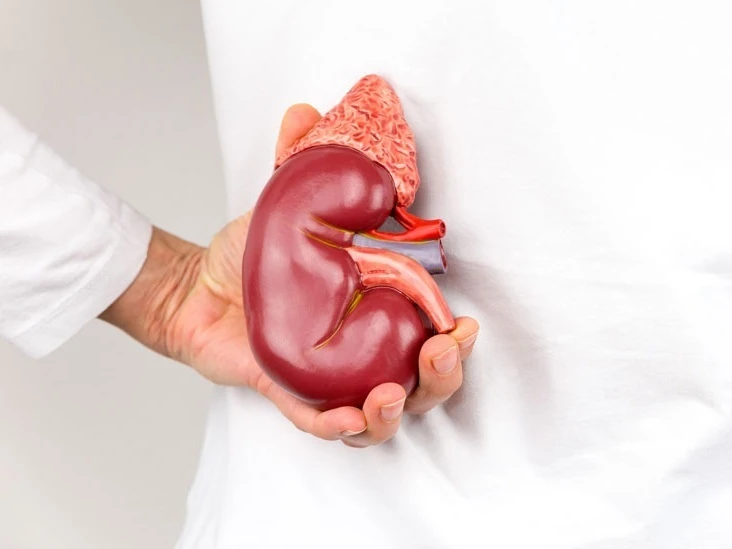

What is the role of kidneys in the human body?
Healthy kidneys are the significance of good health and vitality. They embody” Multitasking organs”, as they work day and night to complete their primary bodily duties. Kidneys’ role in the body is to provide management to underlying functions:
Maintenance of the blood pressure: Kidneys are the whole management that has abilities to adjust blood pressure levels according to the physical requirements. Hence, one function of the kidneys is to manage blood pressure levels.Sustains bone health: Your kidneys maintain bone health and keep them healthy by making an active form of vitamin D.Balance electrolytes: The basic levels of electrolytes are also managed by the kidneys.Formation of red blood cells: The kidneys produce a hormone called erythropoietin, which mandates the bone marrow to form sufficient red blood cells for the body.Blood filtration: Kidneys are the holistic filtering and disposing system of the body, as these fist-sized organs have filtering agents that are crucial for the purification of blood. The parts that assist the kidney in filtering blood are the glomerulus and tubules. The cluster of tiny blood vessels filter the blood, and the tubules are the reabsorbing tubes that restore the essential substance into the bloodstream. The whole system of the kidneys is based on the functional-order — Filter, reabsorb and eliminate. If there is any hindrance in the functioning order, the kidneys can enter the dysfunction phase.Therefore the kidneys are the ultimate source of multitasking, and their impairment can result in severe outcomes for the human body.
What are kidney diseases?
Kidneys are stated as the whole balance of the human body and this balance can be hampered due to a disease. Several kidney diseases and benign medical conditions that are renal harming in nature can invade the functional territory of the kidneys, due to which your bean-shaped organs can experience a strike of complications. Kidney diseases can shake up the entire systematic function of the kidneys, and they meddle with the filter and disposal of the body.
Many issues arise when your kidneys enter the phase of impairment. The body loses the management of blood pressure levels, balance in the basic levels of electrolytes, accumulation of waste products and excess fluids due to improper filtration of the blood, affect the vitamin D metabolism that is crucial for bones’ health, and anaemia due to insufficient red blood cells in the blood.
However, everybody is born with a pair of kidneys, and they are situated on either side of your spine above your waist. When these bean-shaped organs procure damage, then waste products and excess fluids accumulate within the blood. Untreated kidney diseases can move towards the focal point of malfunction, known as kidney failure or end-stage renal disease. Kidney failure is a life-threatening condition that needs proper conditioning and treatment.
Can kidneys fail?
The genesis of kidney failure depends on the dysfunction that arrives within the system of kidneys. When kidneys can not function independently or lose more than 85% function, they go into kidney failure — another name for kidney failure is renal failure or end-stage renal disease. The term kidney failure is self-explanatory and points towards the malfunctioning of the kidneys.
As stated in the above section, kidneys are the ones that maintain a series of principal functions. If there is any failure in their function, the body can experience a string of health issues that can prove harmful to the body.
Kidney failure is the objective of all kidney diseases, and some of them are the definition of severity because they are not detected in the initial stages. Other organs also face obstructions because of the impaired kidney function. Kidneys can influence a whole lot of significant functions in the body.
However, kidney failure is the peak of extremity, and proper treatment is required to better the kidneys and other organs of the body.
What causes kidney failure?
The causes of kidney failure can be defined by the two types of kidney diseases that account for the maximum cases of kidney failure.
Acute kidney disease: If you experience a sudden loss of kidney function, then the medical term for this condition is acute renal failure.
These are the major causes of acute renal failure:
Lack of blood flow to the kidneys.Direct damage to the kidneys.Backed up urine in the kidneys.Above things occur when you have:
An injury due to extreme blood loss.Dehydration or breakdown of the muscles.Too much protein in the bloodstream.Sepsis: A severe infection that causes you to go into shock.Enlarged prostate that obstructs the passage of urine flow.Consuming drugs or toxins that damage the kidneys directly.Pregnancy complications such as preeclampsia.Autoimmune diseases can also cause an acute renal injury as they reverse the immune system’s role, due to which it attacks the body.People who suffer from severe heart or liver failure can procure acute kidney injury.Chronic kidney disease: Chronic kidney disease is defined as a severe kidney disorder that leads the kidneys to kidney failure. When your kidneys do not function for more than three months, it is known as chronic kidney failure. You will not detect any signs and symptoms in its initial stages because it is a silent culprit that damages kidney function over time.
People with diabetes and high blood pressure acquire the central risk of chronic kidney disease because these are the major causes of renal dysfunction.
High blood sugar can hamper the kidneys’ filtering abilities, and hypertension or high blood pressure can damage or form wear and tear on the blood vessels surrounding the kidneys.
Other conditions that are the building blocks of chronic kidney disease are as follows:
Immune system diseases such as lupus nephritisPersistent viral illnesses such as HIV and AIDS, hepatitis B, and hepatitis C.Pyelonephritis, a severe urinary tract infection, can move towards kidney damage causing an obstructed kidney function.Inflammation of the glomeruli.Polycystic kidney disease: A genetic kidney disease that can affect the kidneys’ rate of functioning by forming fluid-filled cysts inside the kidneys. These cysts have the metastasizing capability, which can cause renal enlargement and impaired kidney function.Consuming NSAIDS (non-steroidal anti-inflammatory drugs) can take a toll on your kidneys, causing permanent damage to the system.What are the indications for kidney failure?
Symptoms and signs of kidney failure help determine the functioning state of the kidneys. As the symptoms occur and indicate the functional nature of the kidneys. They become visible due to the progressive loss of kidney function.
Acute kidney failure: It is the loss of kidney function at a sudden rate.
Underlying are the symptoms of acute renal failure:
SeizuresComaExtreme high blood pressureSwelling within the hands, feet, and face is called edemaInternal bleedingDecreased mental state- confusionFuther Read Visit here: What Can Cause Damage to your Kidneys?





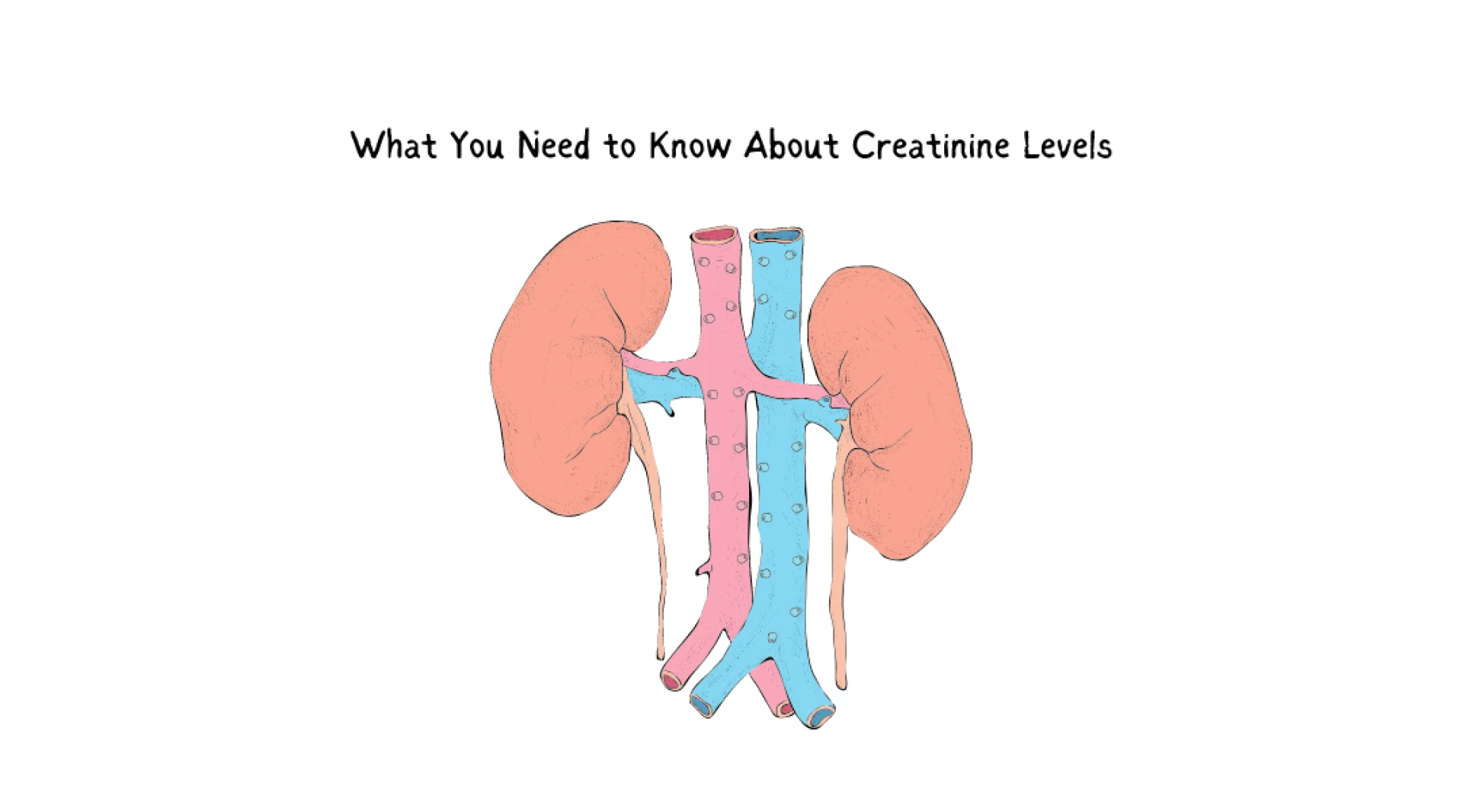

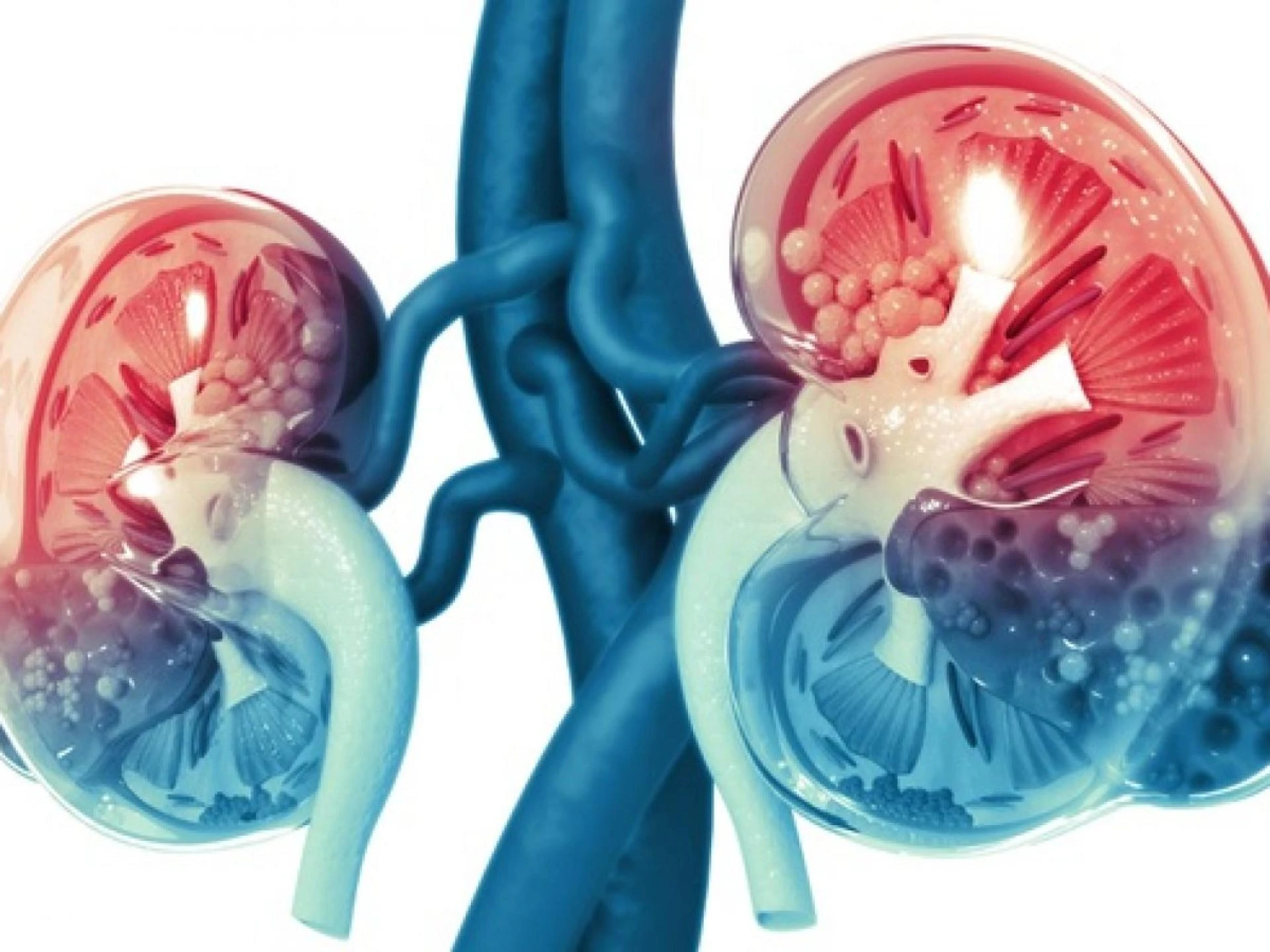


Sign in to leave a comment.